by Joe Johnson
Shoshone Adventure Consulting
Whether it’s your bucket list hunt or you’re a seasoned elk hunter who hits the woods every fall, choosing which state to focus your efforts in can make all the difference in your success. Sorting through the different state tag allocation and draw systems is practically a full-time job, and it’s especially convoluted for hunters new to hunting in the western states.
Every season we help numerous hunters make this decision based on factors unique to each person. The “best” state often comes down to what you want out of the experience, your budget, and your luck in the draw or your patience in building points.
Are there other fantastic elk hunting opportunities outside the states we’re about to discuss? Absolutely. But we’re focusing on five choices that won’t require a lifetime investment in preference points or a second mortgage just for the opportunity to chase elk this year. These states aren’t ranked in any particular order, because as mentioned, the best state and hunt will be unique to you.
Colorado
After a quick Google search, you’ll find that Colorado has the largest elk population in the country. It also issues the largest number of tags every year, making it a prime target for hunters eager to hit the woods each fall. Having grown up in Colorado, I can tell you there are some fantastic opportunities to chase elk in the Centennial State, but even with the largest elk population, harvesting a bull rarely comes easy.
What I appreciate about Colorado is that it has a little bit of everything. Elk inhabit everywhere from isolated pockets of the eastern plains to 14,000 foot peaks in the Rockies. Hunters looking to get a tag every year can take advantage of over the counter or easier to draw tags in units managed for opportunity. Applicants can play the long game, building points toward a shot at a coveted limited entry unit down the road.
Colorado does draw a lot of attention, and those limited draw units and over the counter opportunities are becoming more competitive as the number of applicants grows. Even so, we still send a lot of clients to outfitters in Colorado every year. Good outfitters in easy to draw areas book out well in advance, but hunters who have been patient with building points may find a more affordable fully outfitted hunt in a good unit. A high point tag doesn’t always mean an easier hunt for a big bull, so do your homework and get ready for the mountains. We’re only ever a phone call away.
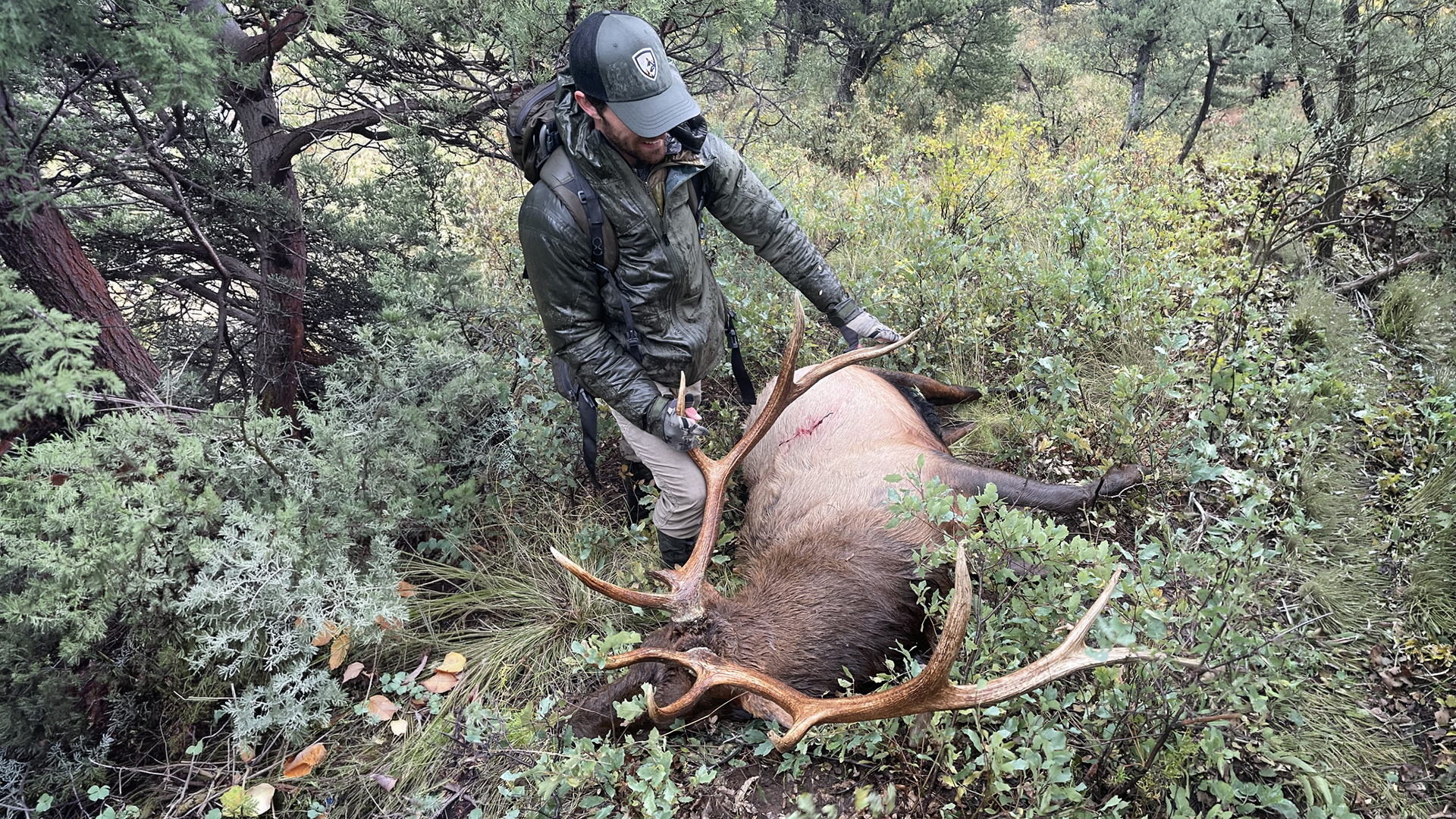
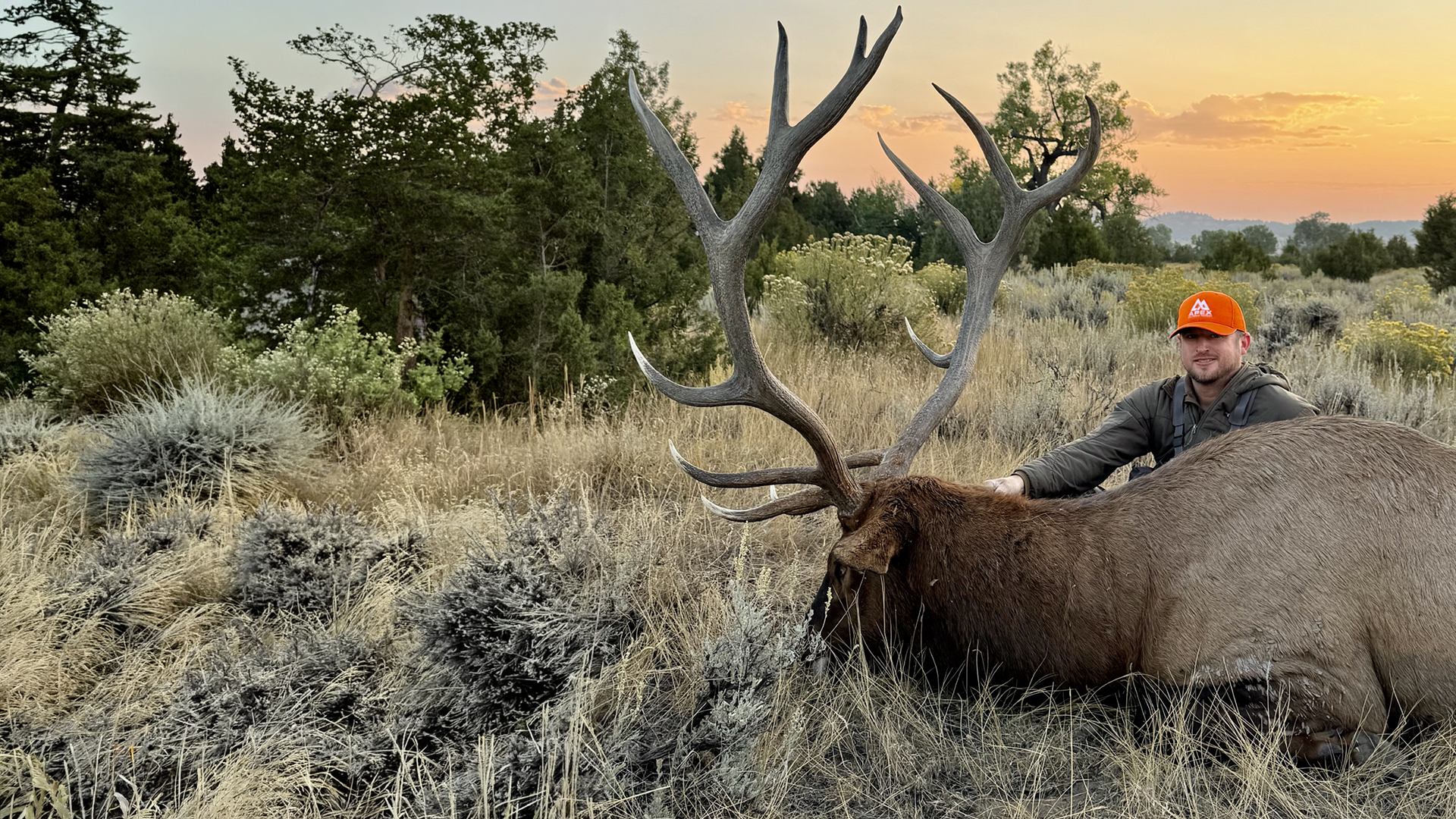
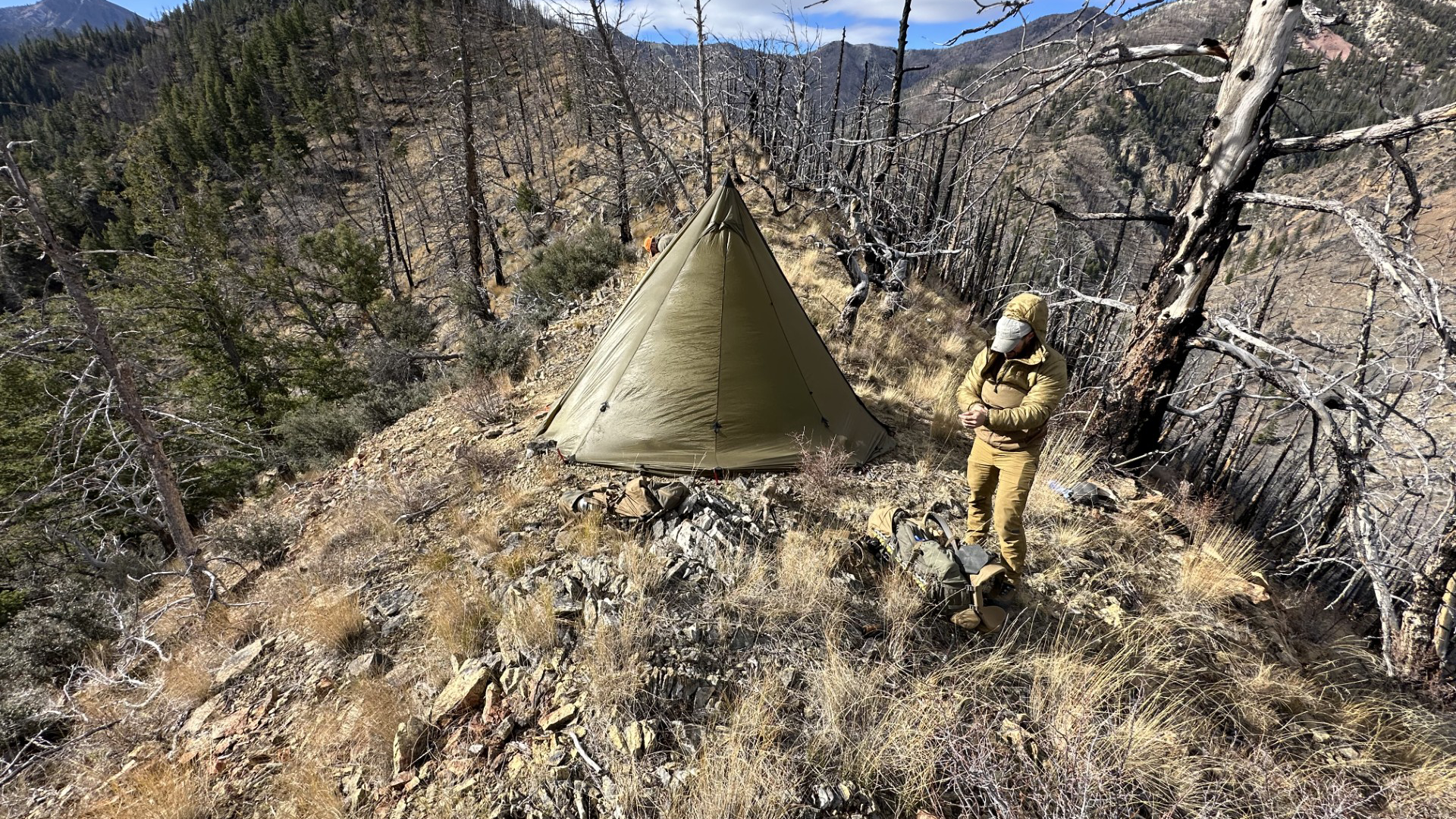
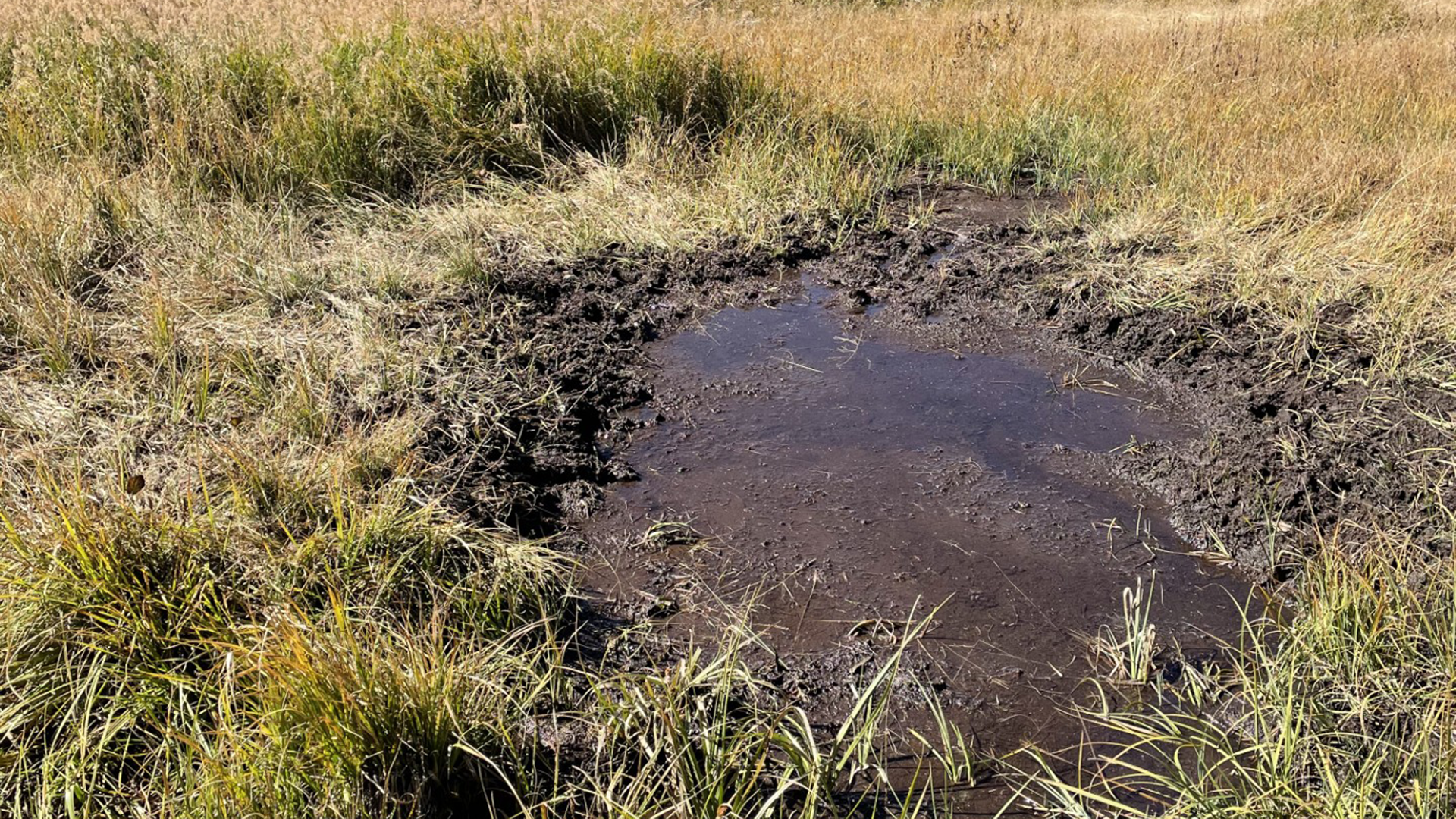
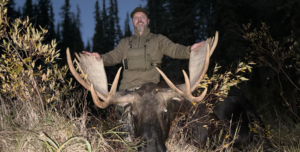
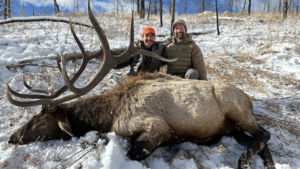
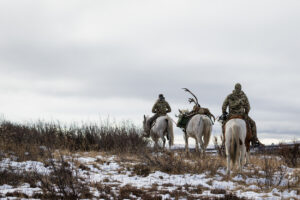
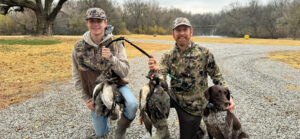
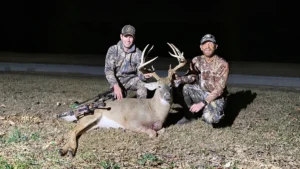
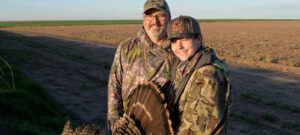
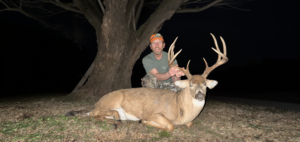
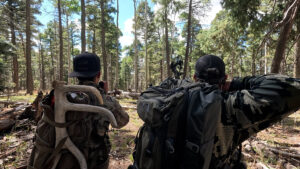
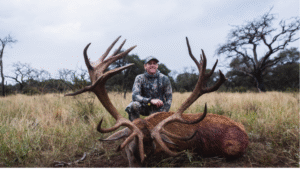
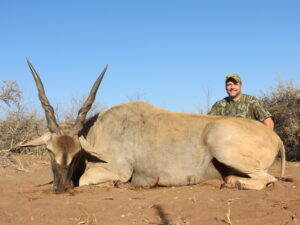
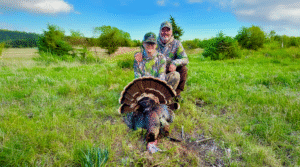
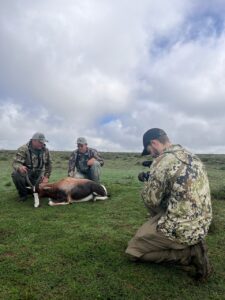
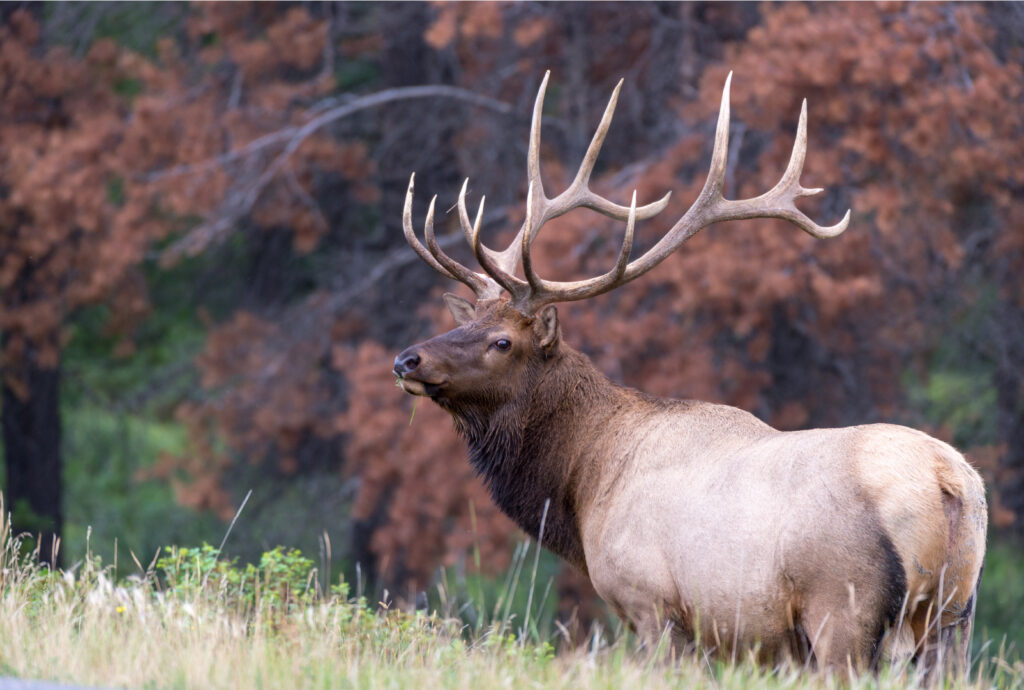
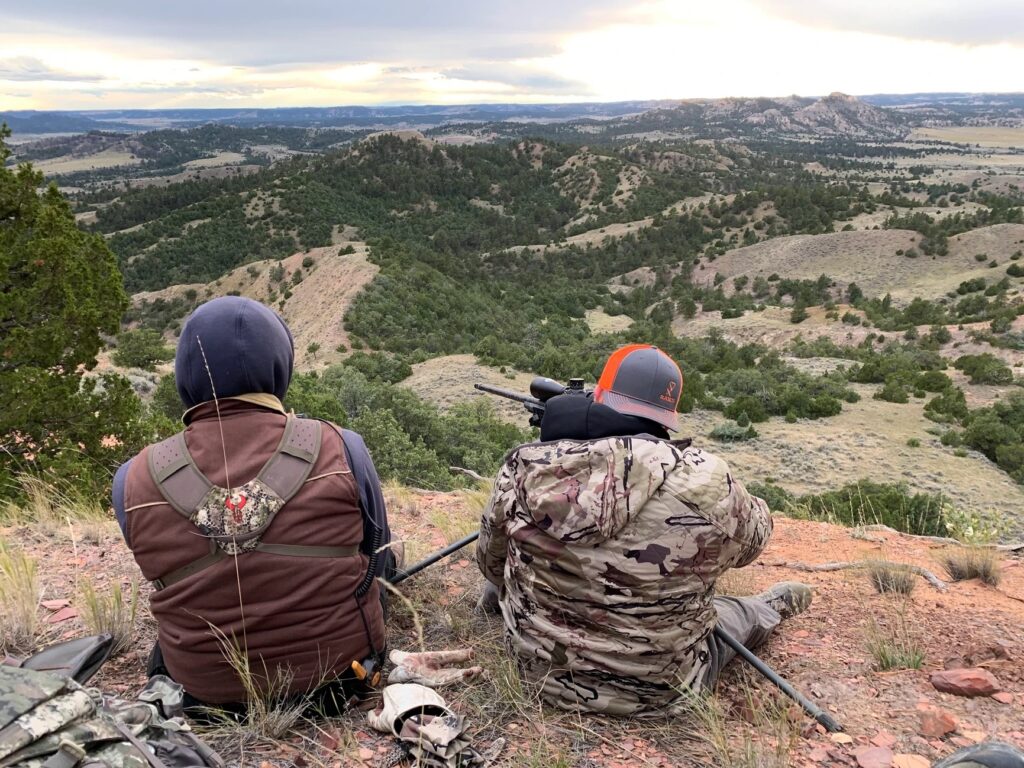
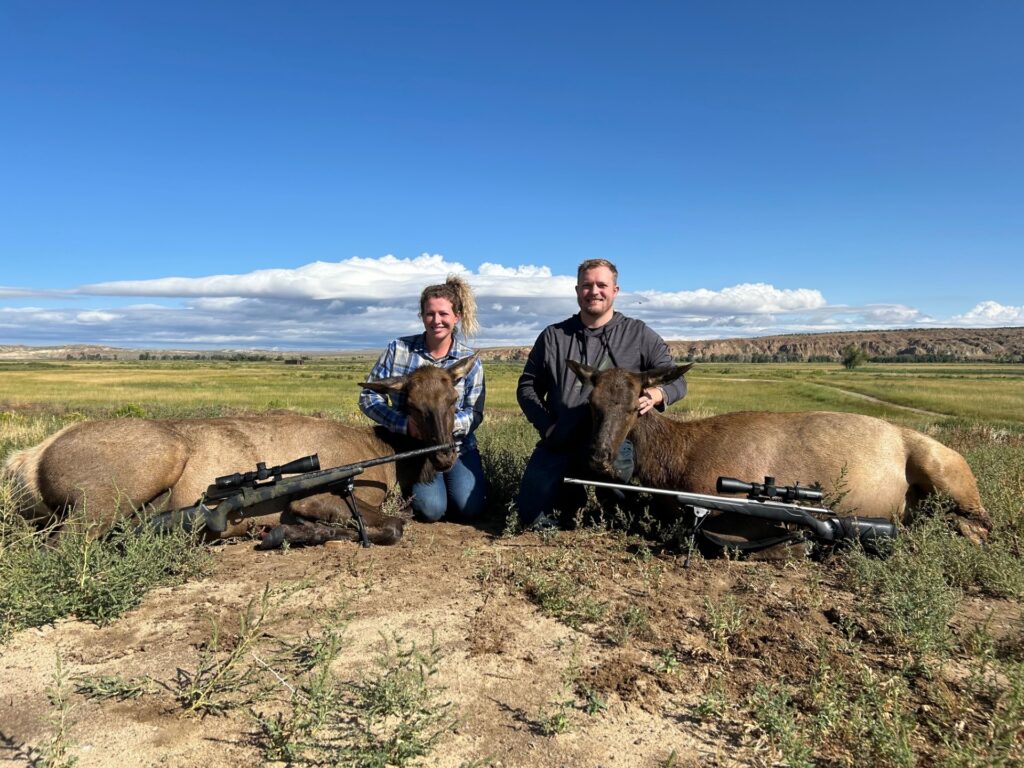
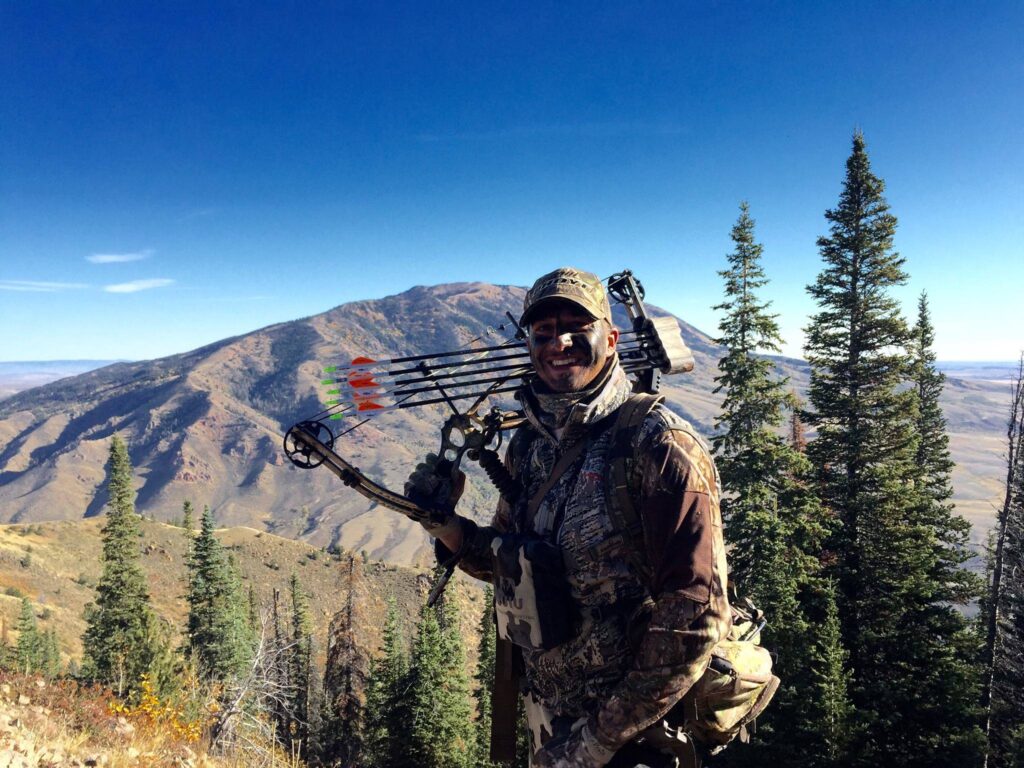
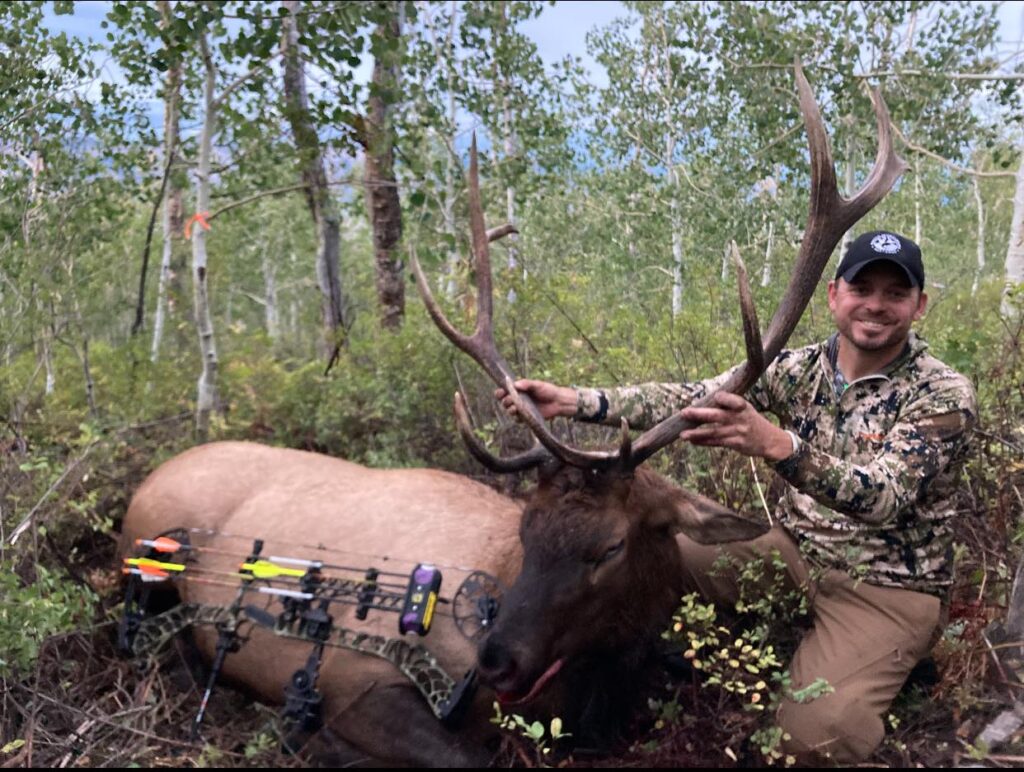
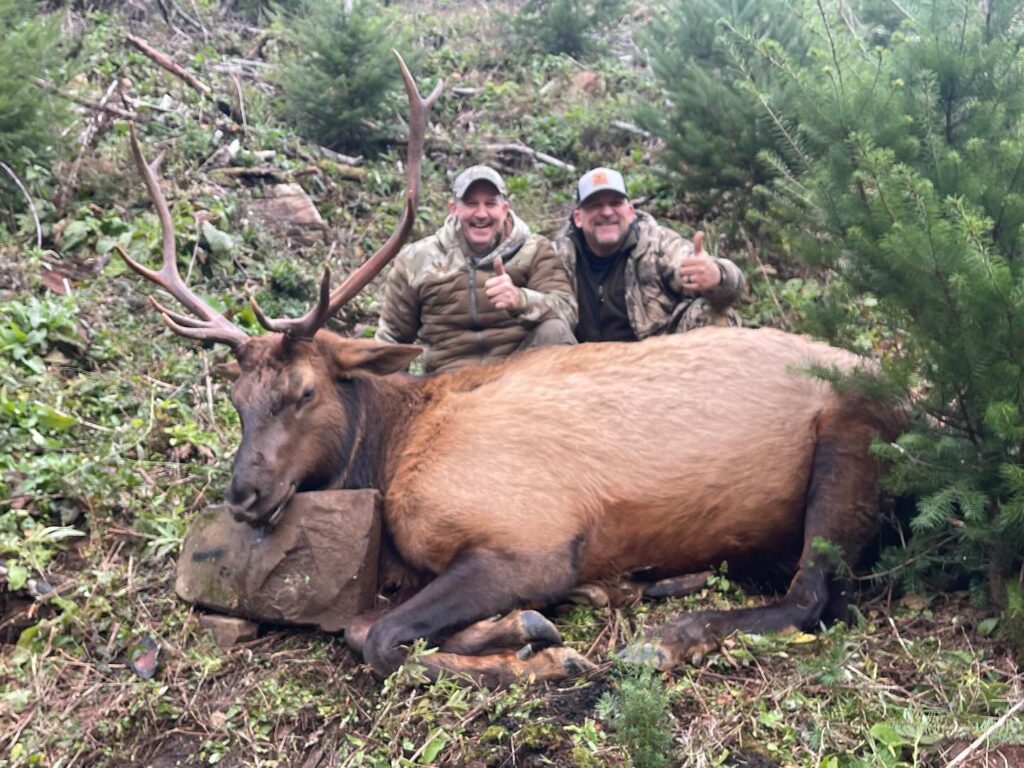
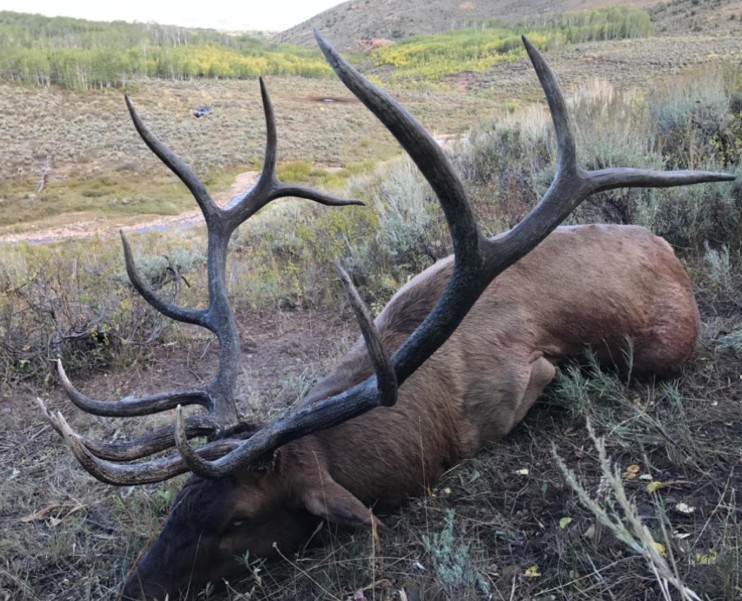
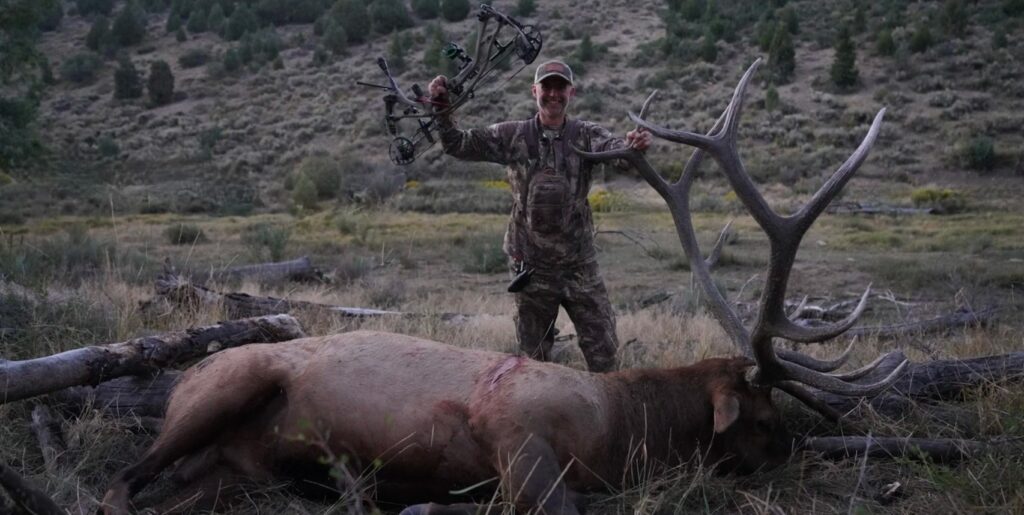
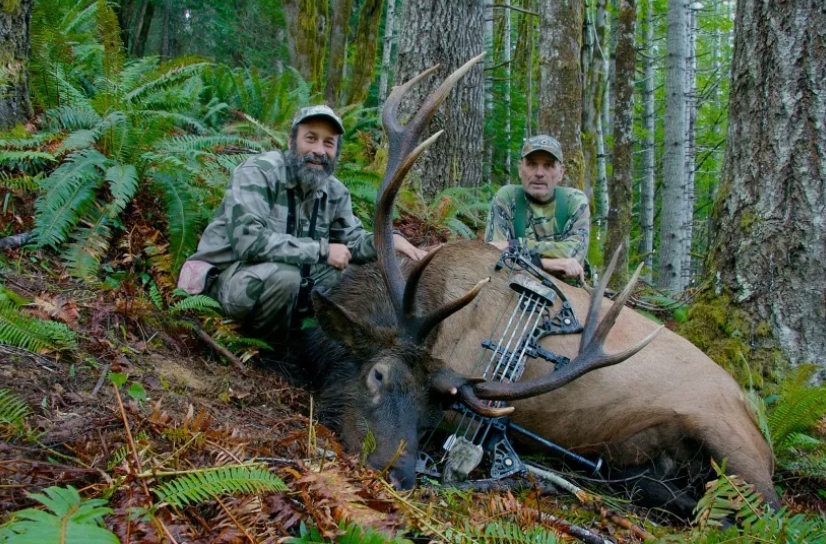
New Mexico Elk harvest (Top left), Wyoming Elk harvest (top right), Idaho backcountry (bottom left), Montana Elk wallow (bottom right). The author with a Elk harvest in Colorado (lead image).
Wyoming
When it comes to elk hunting in the West, few states are more thought provoking than Wyoming. Big mountains, strong elk herds, and a true western experience make Wyoming a place we all dream of hunting. It isn’t a state you have to wait your whole life to draw, though with how much “point creep” has picked up in Wyoming over the last few years, you need to be strategic in your planning.
Wyoming has good elk units in both general areas and limited entry zones managed for quality animals and fewer hunters. Plenty of solid bulls get killed in general areas every year, but that “general tag,” available over the counter to residents, has gotten harder and harder for nonresidents to draw. Wyoming runs a preference point system, and many of the better western elk units on the general tag now require four to seven years of building points to guarantee a draw. That number will likely keep climbing.
If you like to hunt elk as often as I do, Wyoming is on my list of states to draw as frequently as possible. You won’t get a tag every year, but building points and drawing general tags along the way can add up to a great elk hunt every decade or hopefully more.
Wyoming is also unique in requiring nonresidents to hunt with a guide in wilderness areas, which makes hiring an outfitter more appealing to many hunters. Beyond the big wilderness elk hunts, Wyoming also has some excellent easier access private ranch hunts that appeal to hunters not looking for long days in the saddle or steep miles on foot.
If you’re willing to be diligent about building points, Wyoming still has great opportunities for hunters looking for any type of elk experience.
Idaho
With a large amount of public land and relatively easy to obtain tags, Idaho is a great state to consider for your next elk hunt. That said, I usually only recommend Idaho to hunters in very good physical shape looking for a true wilderness experience.
Elk country in Idaho tends to be of lower elevation than in Colorado, but much of it is as rugged as anything in the Rockies. The Frank Church River of No Return Wilderness and the Selway-Bitterroot along the Idaho-Montana border hold elk with minimal pressure. That comes at the cost of steep canyons and long days in the saddle or on foot. Most of Idaho’s general elk season takes place earlier, in September and October, when elk are usually still holding in rugged portions of public land. In my experience, Idaho provides fewer easy access private land hunt options than some of its neighboring states.
If Idaho is on your radar, getting a tag can be as simple as buying an outfitter allocated tag, often available to hunters looking to pair with a guide. This can be a great hassle-free option, but reputable outfitters sell out early, so plan ahead. Idaho’s over the counter tags used to be easy to come by, but demand has caught up, and nonresident hunters now go through a draw for those tags. Both the general and limited entry draws are entirely random, so your odds are as good as the next guy’s.
Idaho isn’t for the faint of heart, but it’s still one of the best bets for hunters who want to hunt true wild country and don’t mind earning their bull.
New Mexico
We’ve sent a large number of elk hunters to New Mexico over the years. It’s a great place if you want the opportunity at a mature bull and possibly have a little less competition in the woods while you are there. There’s less elk habitat in New Mexico compared to the other states we’ve discussed, and because of that, the overall number of tags is relatively low, especially for nonresidents. This varies by unit, but overall New Mexico manages its herds with a priority on age class and less tags per area compared to the crowded over the counter type hunts you’ll find in other states.
New Mexico, like Idaho, is a true random draw state with no ability to build preference or bonus points. Simply put, you have to play to win. With only 6 percent of tags allocated to nonresidents, your odds of drawing even a mid tier unit are pretty low. Applying with an outfitter does give you an edge, with 10 percent of tags allocated to fully outfitted hunters. We have a fair number of our hunters get lucky in drawing a tag with our outfitters each season.
The majority of our hunters we send to New Mexico each fall get tags by purchasing landowner permits through the outfitters we partner with if they’re unsuccessful in the state draw. This is a great way to guarantee a tag in a good unit for hunters with a larger budget. Landowners are allowed to sell tags at a profit in New Mexico, which keeps the cost of those tags climbing. If you have a little extra money to spend, or you’re willing to play the patience game applying year after year, New Mexico can be an amazing place to chase elk.
Montana
Big private ranches, rugged wilderness, and elk ranging from east to west. Fortunately for us, you don’t have to be part of the Dutton family to hunt elk in Montana.
Most of Montana, outside a handful of limited entry units, is managed for opportunity. General tags, also sold over the counter to residents, can be drawn by hunters with anywhere from zero to three preference points. That tag gives you access to the majority of the state and a long archery and rifle season to fill your tag.
A DIY hunter has good opportunity in Montana, especially with the ability to draw a tag with relative frequency and dial in a specific hunting area, though like most DIY elk hunts, notching your tag on a bull won’t be easy. That said, Montana has an abundance of very good longtime outfitters. As the show “Yellowstone” would suggest, big contiguous ranches are a reality in Montana, allowing outfitted hunters to experience very little hunting pressure, even on a ranch within a general elk region. A lot of private land gives some bulls the chance to grow to maturity even in areas with heavy hunting pressure, though I view most general elk hunts in Montana as opportunity hunts. Of course, that depends on your goals, conditions, and property you are on.
Another point worth mentioning: applying with an outfitter in Montana allows you to purchase two preference points, compared to just one for hunters applying on their own. These points can be used the same year you apply and have given outfitted hunters close to guaranteed draw odds on a general tag with no prior points. That makes Montana a very attractive state for clients who want a good hunt without years of applying for points.
The Bottom Line
Sorting through five different draw systems on your own is a lot to take on, and each of these states rewards a different strategy. Colorado and Montana offer the most accessible entry points for hunters who want a good shot at a tag without years of waiting. Wyoming rewards hunters willing to build points steadily and offers guided access to true wilderness. Idaho suits the physically prepared hunter chasing a rugged, public land experience. New Mexico favors hunters willing to play the draw long game or invest in a landowner tag for a shot at a mature bull.
There’s no single right answer, only the right state for your goals, budget, and timeline. That’s exactly where we come in. Give us a call and we’ll help match you with the hunt and the outfitter that fits what you’re after.
FEATURED ADVENTURES
Wyoming – Trophy Elk Hunt in Units 38 & 39
Wyoming – Private Land Cow Elk Hunt near Gilette
Wyoming – Private Land Cow Elk Hunt near Baggs
Wyoming – Limited Quota Elk Draw Hunt

Wyoming – Elk Hunting in Units 37, 38 & 39

Wyoming – Elk Area 129 Draw Hunt
Western Colorado – Private Land Elk & Mule Deer Hunts
Washington Roosevelt Elk Hunts

Vancouver Island Roosevelt Elk Hunt
Utah Trophy Elk Hunt with Guaranteed Tags
Utah – CWMU Private Land Elk Hunt as Seen on Shoshone YouTube
Private Land Oregon Roosevelt Elk & Blacktail Deer Hunts
The Bottom Line
In the end, the question is not whether DIY hunting is better than hiring an outfitter, or whether a guided trip somehow means less.
The better question is this: what kind of experience are you really looking for?
Some adventures are meaningful because you built them from scratch. You found the sign, studied the conditions, made the wrong decisions, corrected them, and eventually watched the plan come together. That was the South Georgia buck. That was the Palm Beach sailfish. Those memories matter because the struggle was part of the reward.
Other adventures are meaningful because the right help puts you in a place you could not have reached, or at least could not have reached as effectively, on your own. That was the Montana elk hunt. The outfitter provided access, experience, and support, but the moment still demanded preparation, composure, and execution.
That is the real lesson. The value of a hunt is not measured by how little help you had or how many inconveniences were removed. It is measured by how deeply you were involved, how much of yourself you invested, and how vividly the experience stays with you afterward.
If you have the time, access, knowledge, and appetite for uncertainty, a DIY hunt can be one of the most satisfying adventures imaginable. If your time is limited, the country is unfamiliar, or the logistics are too much to solve alone, a good outfitter can make the experience more efficient without making it less meaningful.
The goal is not to prove that you did everything the hard way. The goal is to choose the path that gives the trip its greatest meaning.
Whether you earn the moment through years of trial and error or with the help of someone who knows the country better than you do, the best outdoor memories are the ones that leave you grateful, exhausted, humbled, and eager to go again.