by Peyton Merideth
CEO, Shoshone Adventure Consulting
If you have ever dreamed about hunting, touring, or just plain seeing Africa but figured the airfare alone would knock you out of the game, I am here to tell you it does not have to. Flying to Africa is not cheap in the way a weekend road trip is cheap, but it can be done on a blue-collar budget if you are patient, flexible, and willing to do a little homework.
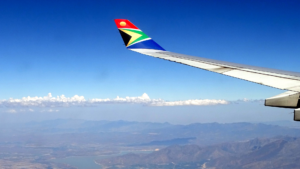
Over the years, I have flown to Africa a handful of different ways, from different cities, on different airlines, and in different eras of international travel. My first international trip was over 20 years ago, flying South African Airways on the old 747. I started that journey out of Fairbanks, Alaska, and later Boise, Idaho, back when getting to Africa felt even farther away than it does today.
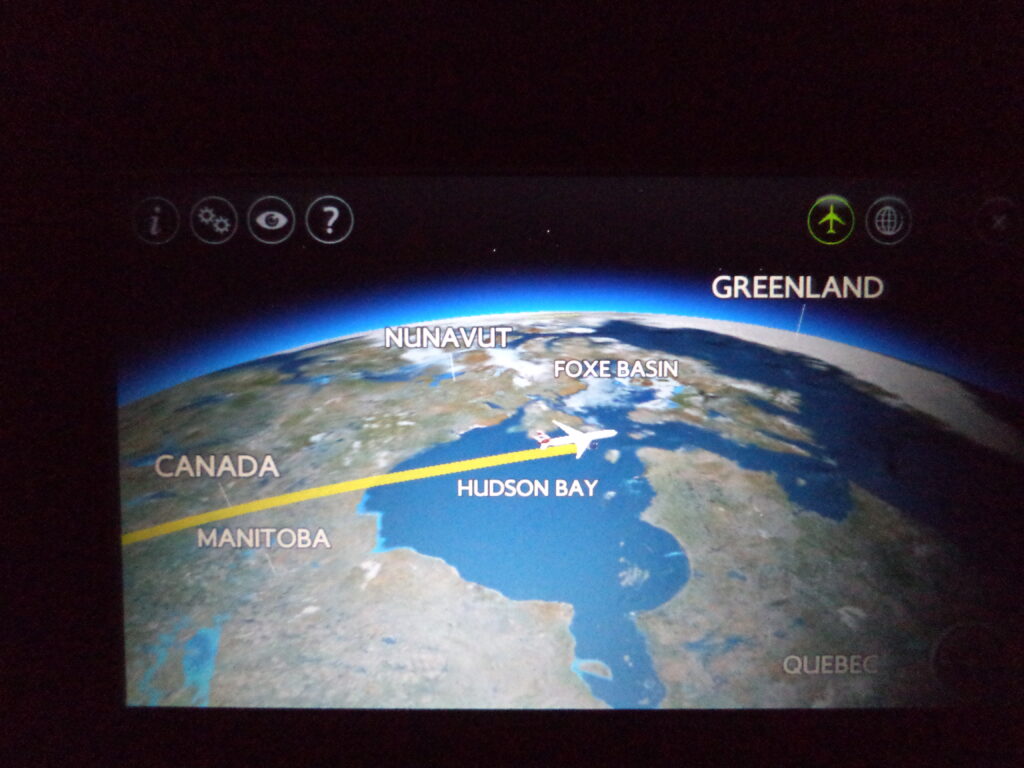
On the return trip, I was sitting in the bulkhead when I overheard the guys behind me talking about how excited they were to finally have little TVs in the seatbacks in front of them. They said they had been in the bulkhead on the way down out of Atlanta and did not have any entertainment system for the whole flight. After eavesdropping long enough to be curious, I finally asked them what airline they had flown that did not have TVs. They said, “SAA, same as this one, but we were in the bulkhead like you.” I said, “You mean like this one?” and pulled the screen out of the armrest. The look on their faces was priceless. Those poor guys had sat through a 15-hour flight and never asked one time where their TV was.
There Is More Than One Way to Get There
One of the first things people need to understand is that there are a lot of airlines and routes to Africa, and your options depend heavily on where you start. If you are leaving from a major hub like Atlanta, New York, Seattle, Dallas, Houston, or Chicago, you will usually have more choices and better pricing than someone starting from a smaller regional airport. That does not mean small-town travelers are out of luck. It just means the first leg of the trip may be about getting yourself to the right gateway city.
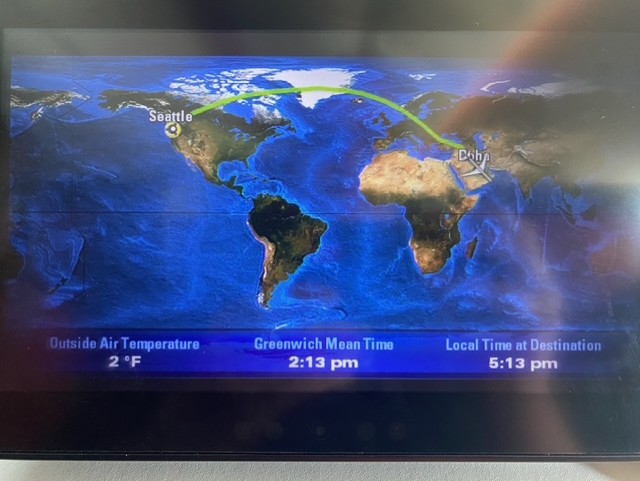
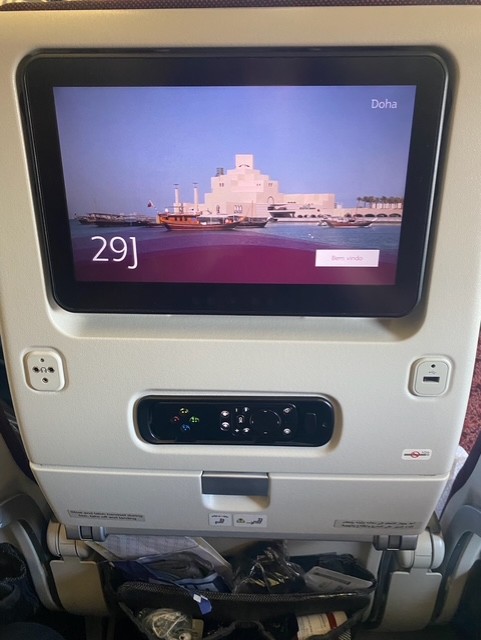
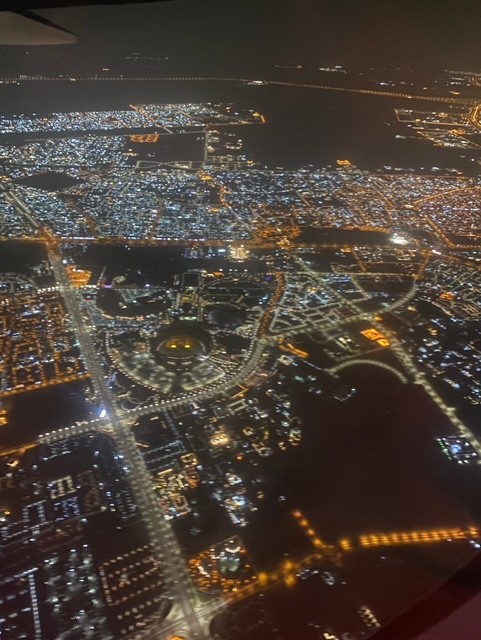
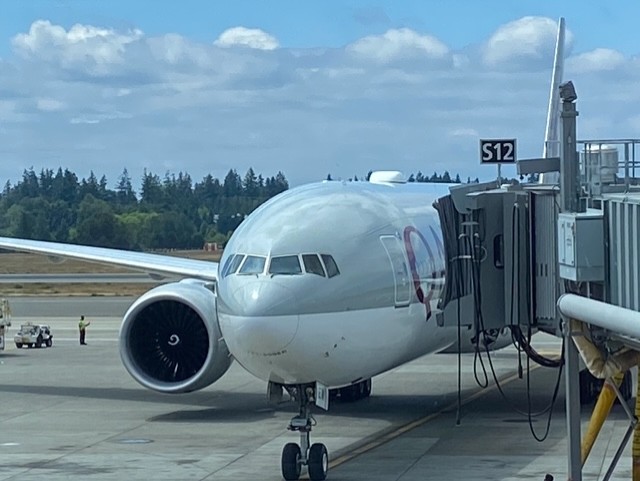
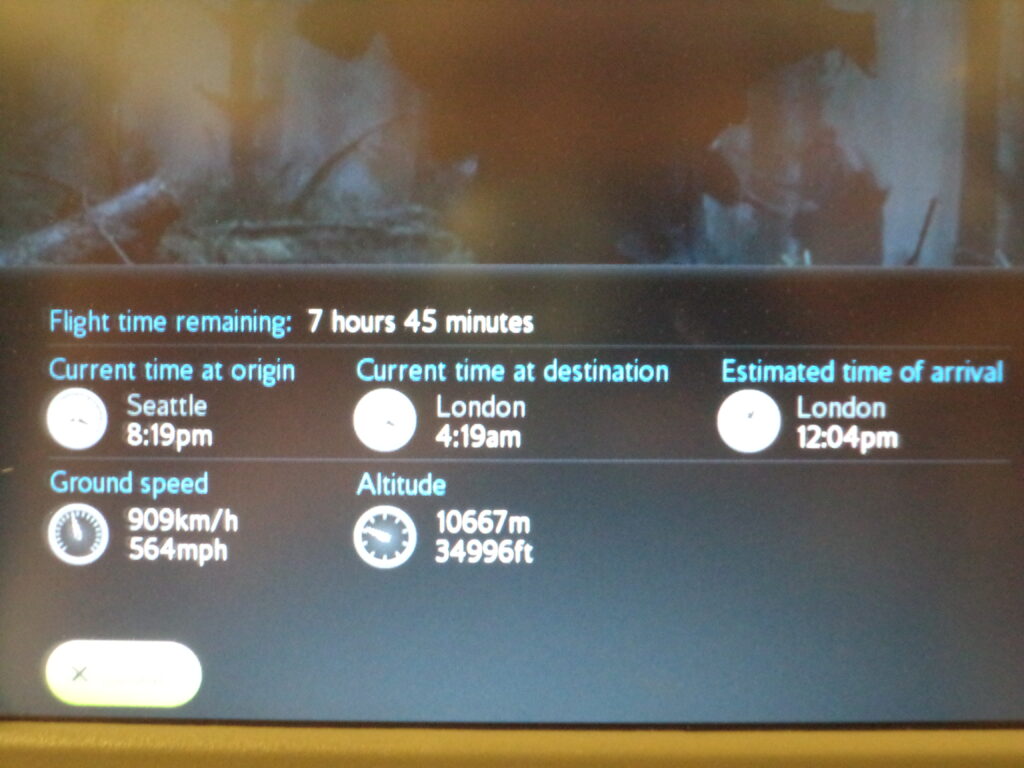
Since that first trip, I have flown several different routes. I have gone out of Seattle on Qatar Airways through Doha, out of Seattle through London on British Airways and Virgin Atlantic, and out of New York on KLM. I have also seen great fares come through Istanbul on Turkish Airlines. A couple years ago, we flew a camera operator to Johannesburg for $999 out of Atlanta through Istanbul. That is a long way from free, but for a round-trip ticket to the other side of the world, that is a blue-collar win.
Routes change, airlines change, and pricing changes constantly. Tools like Google Flights, Skyscanner, Expedia, and airline websites can help compare routes, flexible dates, and fare trends. Some tools also let you track prices or view cheaper days to travel, which can be useful when you are not locked into one exact departure date.
Finding a Fare, You Can Live With
Buying a ticket to Africa can feel a little like trying to lock in an interest rate on a house. You watch the number move up and down, you wonder if you should jump now or wait, and there is always that chance you will see it cheaper two days after you buy it. That is just part of the game.
The best thing you can do is start looking early, compare multiple airports, and stay flexible. Sometimes it is cheaper to drive or take a short domestic flight to a bigger airport. Sometimes leaving on a Tuesday or Wednesday saves money. Sometimes one extra layover knocks hundreds off the price. And sometimes the cheapest ticket is not the best ticket if it adds too much risk, too many connections, or a brutal overnight airport layover.
Airline miles and credit card points can also make a big difference if you use them wisely. I am not saying everyone needs to become a full-time points expert, but if you put business expenses, fuel, equipment, or everyday purchases on a card that earns travel points and pay it off responsibly, those miles can help take the sting out of a long-haul ticket. Even if you cannot cover the whole ticket, miles may help with positioning flights, upgrades, baggage, or future travel.
Expedia and other travel websites can be useful for comparing fares, especially when you want to see several airlines side by side. Just remember to check the details carefully: baggage rules, cancellation policies, layover times, and whether the itinerary is booked as one connected ticket. A cheap fare is not so cheap if a missed connection leaves you stranded and buying another ticket.
FEATURED ADVENTURES

Tanzania and Kenya – Photo Safaris

Nuanetsi Plains & Dangerous Game Hunting

Mozambique Coutada 11 Dangerous & Plains Game Safari

Mozambique – Plains Game Safari Hunt in Coutada 9

Mozambique – Hunt the Niassa Game Reserve & Cabora Bassa

Mozambique – Cape Buffalo Safari Hunt in Coutada 9

Mozambique – African Lion Hunt in Coutada 9

Ethiopia – Mountain Nyala Safari

Chad – Central African Buffalo, Red-Fronted Gazelle & more

Cape Town – Photo and Historical Tour

Cameroon – Lord Derby Eland Safari

Cameroon – Bongo, Sitatunga and More
Coach Class Reality Check
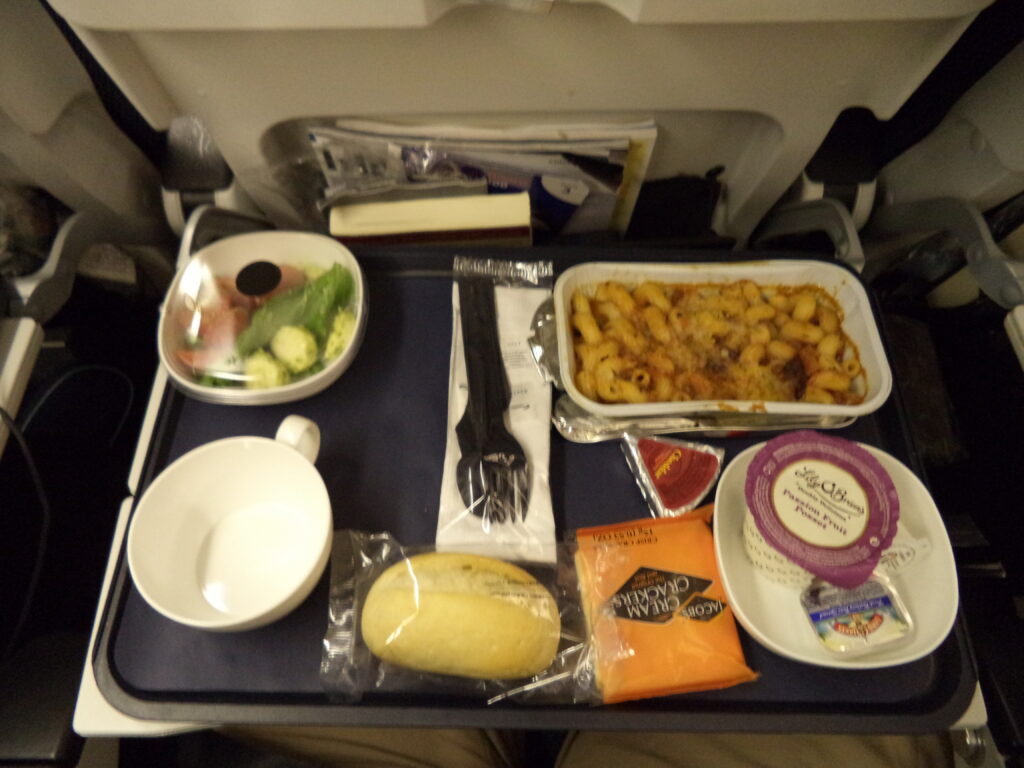
Now let us be honest. If you are flying blue collar style, you are probably flying coach. There is no magic trick that turns a 15-hour flight into a recliner at home. You are going to be sitting for a long time. You are going to get tired. Your back might hurt. Your knees may remind you how old you are. But with a little preparation, you can make it tolerable.
One of my favorite coach-class stories happened on a flight from Cape Town to Atlanta. There was an empty seat between me and the lady in the window seat, which already felt like winning the lottery in economy. Then the food came out, and as usual, it was about enough food for a kindergartner. To make matters worse, my tray kept sliding down off the tray table, so I had to hold it up with my left hand while trying to eat with my right.
The lady saw my predicament and said, “I can solve this!” Before I knew what was happening, she reached into her mouth, pulled out the gum she had been chomping on, and stuck it under the front of my tray table. Problem solved. Not exactly factory-approved aircraft maintenance, but I will admit it worked. Yes, you meet some interesting folks back in coach.
If adult beverages are your thing, most international airlines I have flown have been pretty generous once you get in the air. After all, it is a really long flight, and it is not like you have to worry about driving when you land. The drink carts usually start circulating not long after takeoff, and on one British Airways flight they handed us nearly full bottles of wine. That said, long flights will dry you out fast, so mix in some water and pace yourself unless you want to land feeling like you fought a leopard in your sleep.
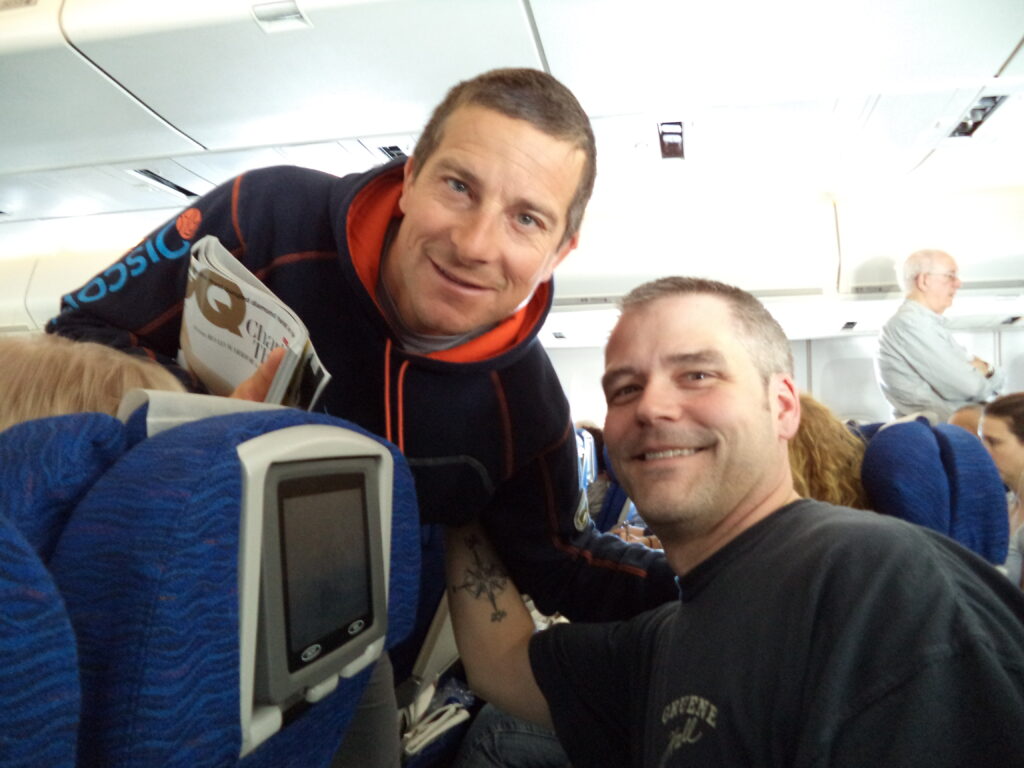
Another thing about coach is you never know who you might meet. Once, on a trip from London to Cape Town, we were sitting next to the producer of Man vs. Wild, which was a very popular show at the time. I was watching a movie when Bear Grylls himself ended up standing over me, chatting with his employee in the window seat. Naturally, I snapped a selfie.
Yep, Bear had left his producer back in coach with the common folk while he was up in first class. That pretty well sums up international travel: even when you are packed in the back, you can still come home with a story nobody saw coming.
- Bring a good inflatable neck pillow or travel pillow that actually supports your head.
- Pack noise-canceling headphones or earplugs. A long flight is a lot easier when you can block out some of the noise.
- Dress in layers. Airplanes can go from too warm to freezing cold in the same flight.
- Wear comfortable shoes and consider compression socks, especially on very long legs.
- Get up and move when you can. Walk the aisle, stretch your legs, and keep your circulation going.
- Bring a few snacks. Airline meals are fine, but they do not always show up when your stomach wants them to.
- Download movies, podcasts, or audiobooks before you leave, just in case the entertainment system is not working—or in case you forget to pull it out of the armrest.
- If you use sleep aids, be smart and responsible. Know how they affect you before taking anything on a plane, and do not mix them with alcohol.
The biggest thing is mental. Go into it knowing it is a long haul. Do not expect comfort. Expect the adventure to start when you leave home, not when you land. If you frame it that way, the flight becomes part of the story instead of just something to survive.
Blue-Collar Vacations and Long Layovers
One little trick that can turn international travel into a bonus adventure is learning how to use long layovers. I call these blue-collar vacations. If you are already flying halfway around the world, sometimes you can add a long layover to the ticket and squeeze in a quick taste of a major city without turning it into a separate expensive trip.
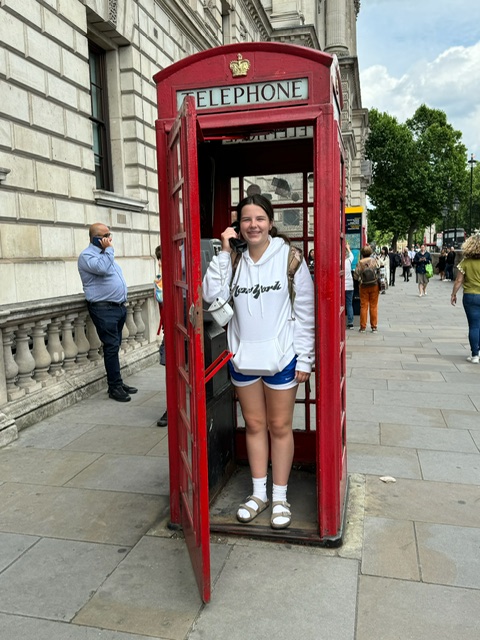
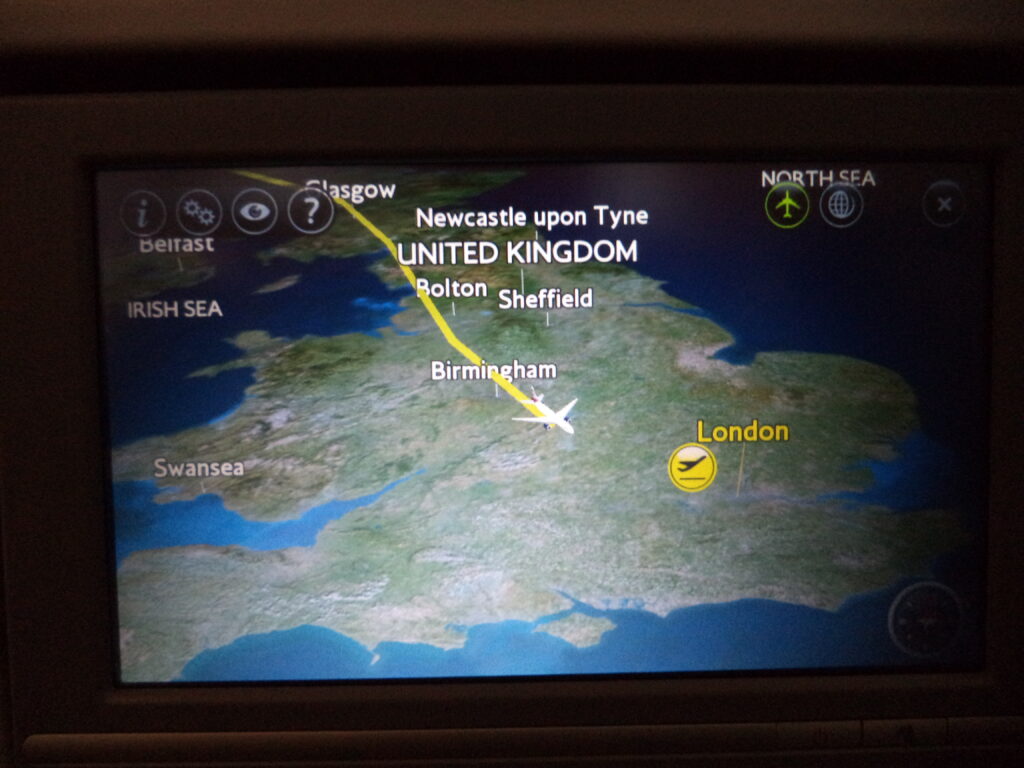
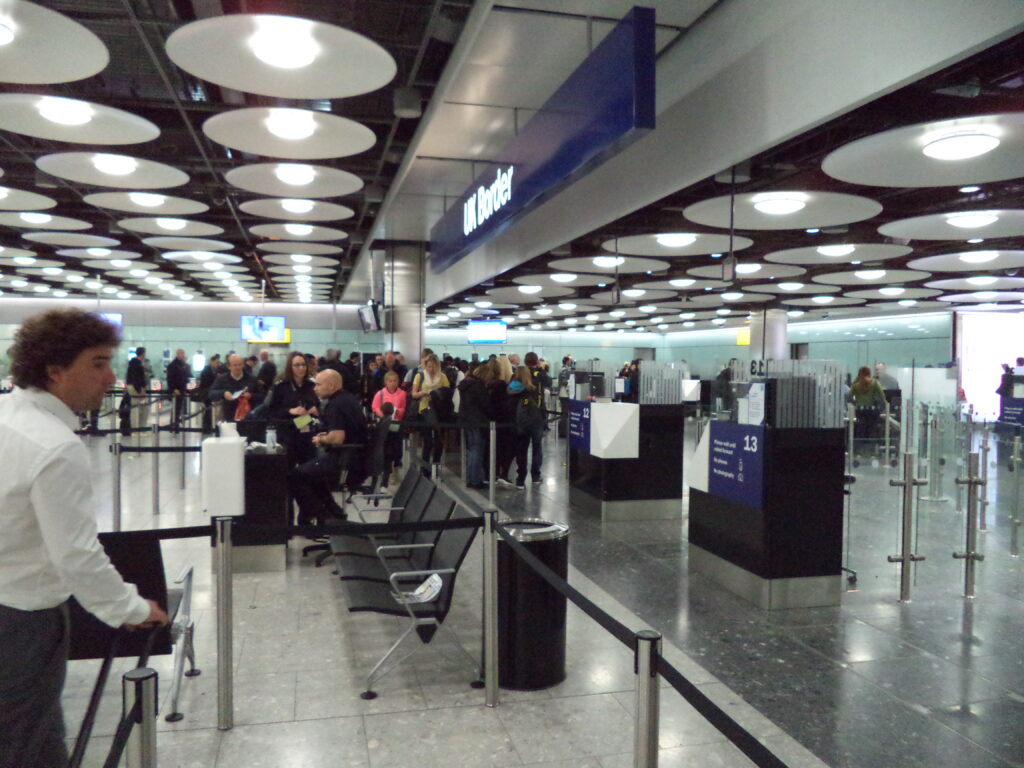
We have done two-day stops in New York City and also managed London twice on layovers of about 12 hours. That may not sound like much, but if you plan it right, it is plenty of time to hit the main tourist sites, grab a good meal, walk around, take a few pictures, and come home with another story—all without blowing the budget.
The key is to keep the flights on one reservation whenever possible. Do not just book random disconnected tickets and hope it all works out. Add the layover into your itinerary when you are shopping for the main ticket, and make sure the connection gives you enough time to leave the airport, get into the city, enjoy yourself, and get back through security without sweating bullets.
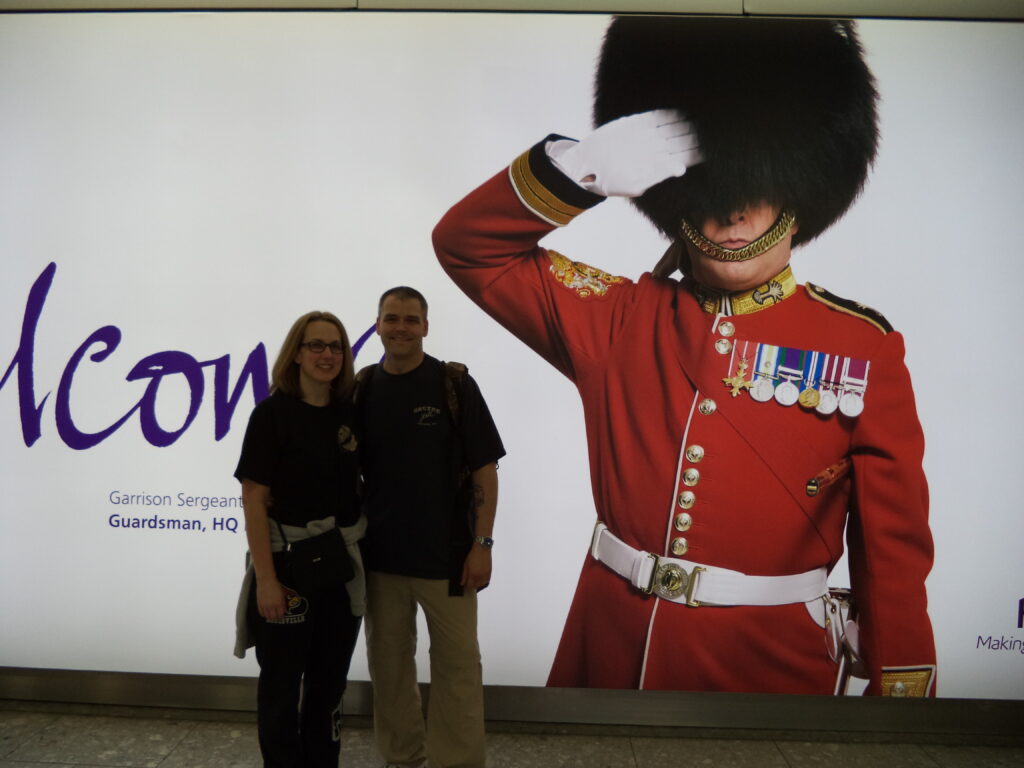
London is a great example. On one 12-hour layover, we took the train into the city and still had time to see Paddington Station, Buckingham Palace, Big Ben, and several other classic stops. Yes, I absolutely did the Clark Griswold “Look kids, Big Ben!” routine, because some opportunities are too good to pass up. We even had time for fish and chips before heading back to the airport.








Blue Collar Travel Tips for Africa Flights
- Search from more than one departure city. Your hometown airport may not be the cheapest starting point.
- Compare routes through major hubs like Atlanta, New York, Seattle, London, Amsterdam, Doha, and Istanbul.
- Use flexible-date tools when possible. A one- or two-day shift can make a real difference.
- Watch fares for a while before buying so you know what a good price looks like.
- Check the airline website before booking through a third-party site.
- Make sure your layovers are realistic, especially when checking firearms, camera gear, or hunting equipment.
- Do not overlook airline miles, credit card points, or travel rewards.
- Balance price against pain. The absolute cheapest route may not be worth it if it adds 12 extra hours and two risky connections.
Final Thought
Flying to Africa on a blue-collar budget takes patience, flexibility, and a willingness to shop around. It may not be glamorous, and coach class will test your patience, but it is absolutely doable. For me, every long flight, every layover, every cramped seat, and every travel story has been worth it the moment that airplane door opens and Africa is waiting on the other side.
Peyton Merideth is the CEO of Shoshone Adventure Consulting and at frequent blue-collar traveler.