by Johnathan Roberts
Shoshone Adventure Consulting
Hunters and anglers often ask the same question before planning a big trip: should I do it myself, or should I hire an outfitter?
It is easy to frame that decision as a choice between the hard way and the easier way. A do-it-yourself trip usually means more planning, more uncertainty, more trial and error, and a greater chance of failure. Hiring an outfitter can make the process easier by providing access, local knowledge, logistics, and support. But easier does not mean less meaningful, and harder does not automatically mean better.
“After decades of hunting and fishing on my own and with outfitters, I have learned that both approaches can create unforgettable memories.”
The right choice depends on your goals, your available time, your access, your experience level, and the kind of adventure you want to have. Some of my favorite outdoor memories came from figuring everything out myself. Others came with the help of experienced outfitters. Looking back, I would not trade either type of experience.
The Unique Satisfaction of Doing It Yourself
There is something special about creating your own success.
The adventure begins long before opening day. You’re studying maps, scouting locations, learning animal behavior, and making decisions based on your own observations. When success eventually comes, you know that much of the success was based on your own effort.
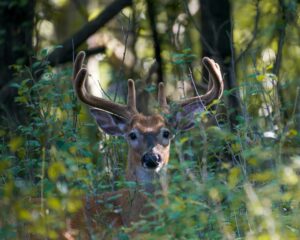
I think about that every time I remember my first whitetail buck in South Georgia.
Before the season, I slipped into an area and found the kind of sign that makes a hunter slow down and start paying close attention: fresh scrapes opened in the dirt, rubs shining on nearby trees, and a natural travel corridor that felt like it had been made for a stand. I hung my climber there and then waited—not just for opening day, but for the right wind, the right conditions, and the right moment to move in.
When that buck came through the first morning, everything in me wanted to force the moment. The work had been done. The deer was there. But the shot was not right, and I knew it. So I let him walk. That is one of the hardest parts of hunting on your own: there is no guide beside you confirming the decision, no one else to help make the call, and no guarantee that a mature buck will ever give you a second chance.
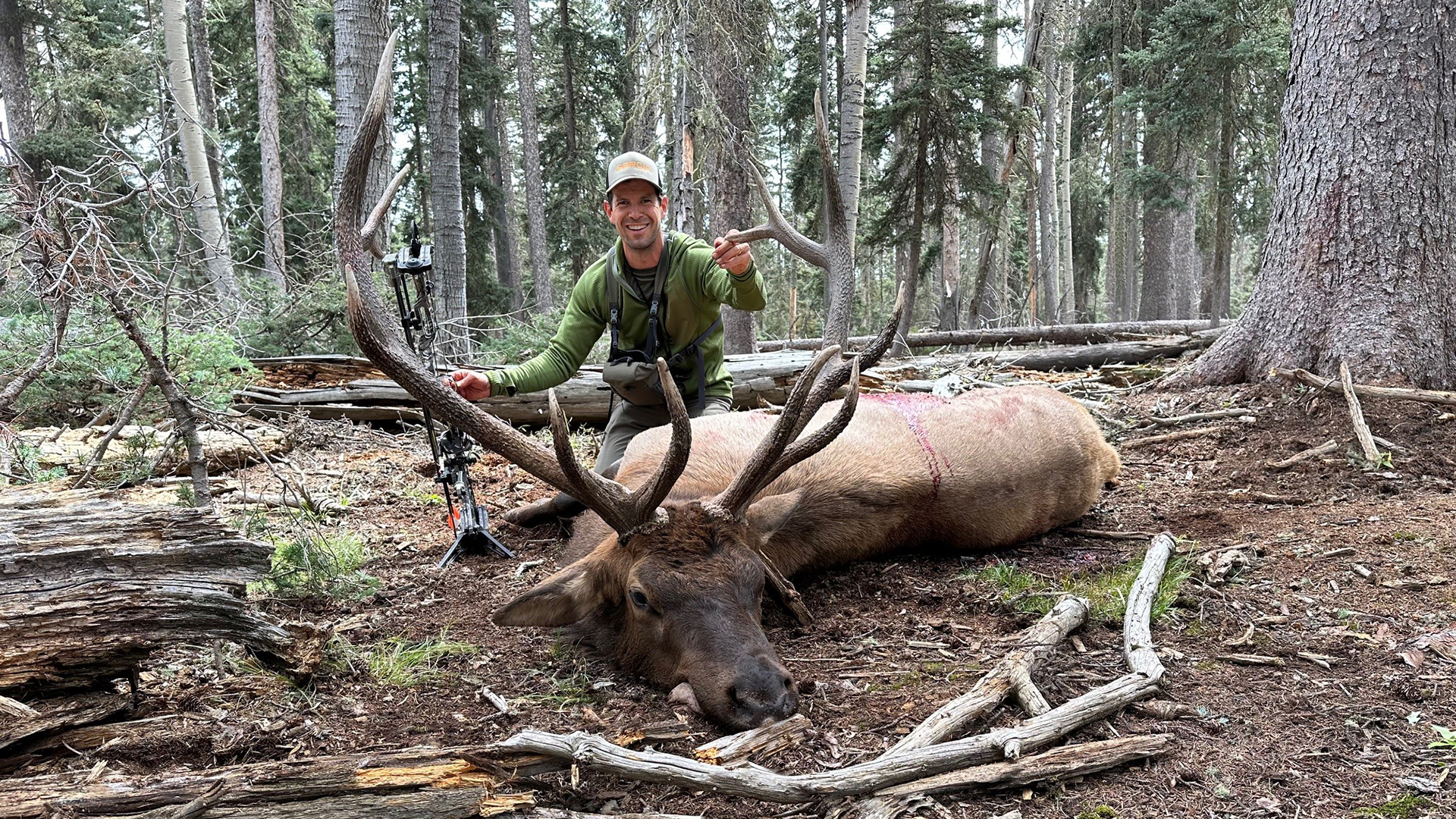
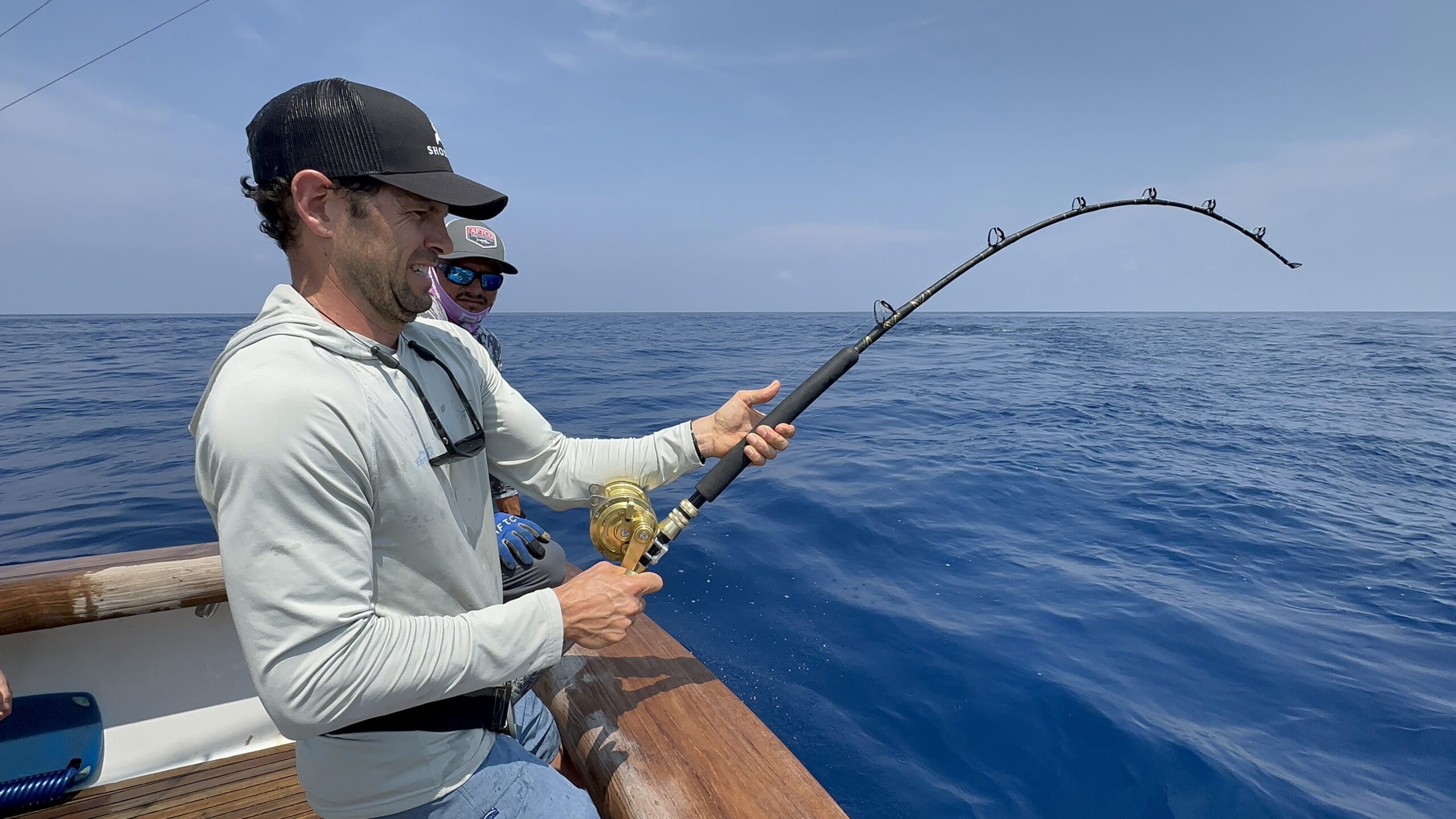
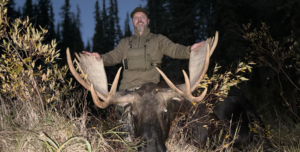
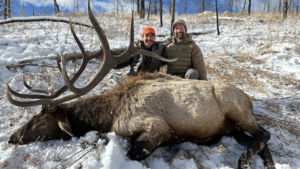
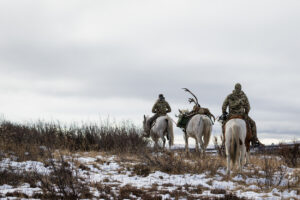
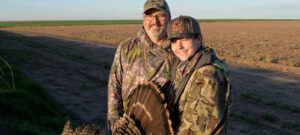
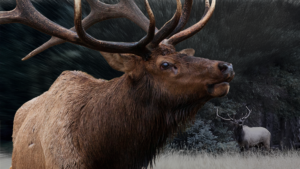
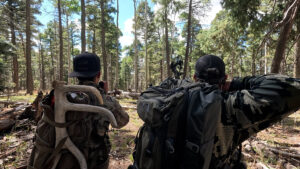
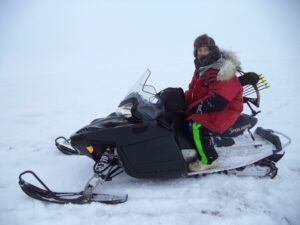
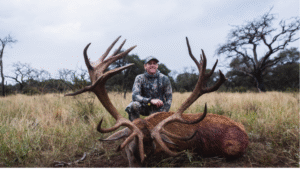
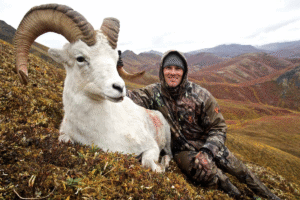
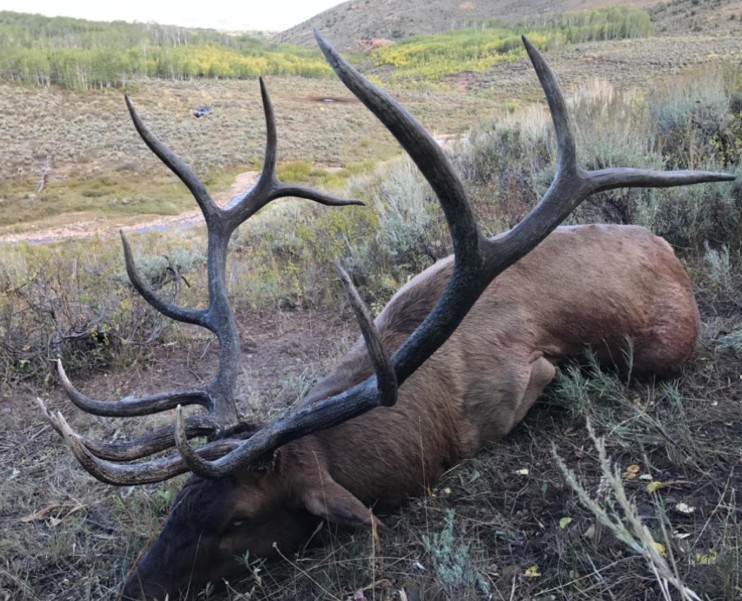
Shoshone Owner and author Johnathan Roberts with his New Mexico Elk and fishing for Marlin in Costa Rica.
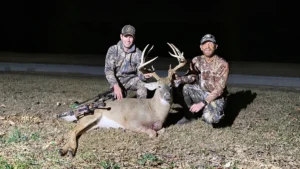
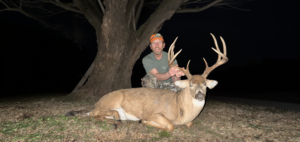
The next afternoon, just before dark, he appeared again. This time everything lined up. The wind held. The buck stepped into the opening. I settled in, made the shot, and watched the plan come together on a beautiful nine-point.
The deer itself was memorable, but the deeper satisfaction came from everything that happened before the shot. I had found the sign, chosen the setup, waited on the wind, passed on the wrong opportunity, and trusted the plan long enough for it to work. That success felt different because every step of the hunt had been built from the ground up.
Years later, I felt that same kind of satisfaction in a very different setting while fishing for sailfish out of Palm Beach, Florida.
On our first day, the sailfish bite was red hot, but we were in the wrong place. We caught a kingfish, but no action on billfish. When we got back to the docks, we saw dozens of sportfishing boats proudly flying their flags, signifying their sailfish releases. Some boats had more than twenty sailfish releases that day. We were doing it ourselves, but we were missing a key to success.
That evening, we started asking questions. After talking with captains at the dock, we learned we needed to be farther north. So the next morning, instead of repeating the same plan and hoping for a different result, we made the uncomfortable choice to run through rough seas in search of the bite.
It was cold, wet, and miserable. Every few seconds another wave threw spray across the boat soaking each of us to the bone. The ocean felt bigger than it had the day before, and there were plenty of moments when turning around would have been the easier choice.
Eventually we found the fleet. Boats were clustered in a tiny area of blue water. Kites were flying, baits were drifting, and everyone seemed to be waiting on the same thing. Then, almost as soon as we let out our live bait, a sailfish showed up.
The first fish came tight and then threw the hook, which made the moment feel even more fragile. We had made the run, found the bite, and still watched the first opportunity disappear.
Within five minutes, a second fish struck. The lever pushed forward, the line came tight, and the sailfish erupted from the water in a wild aerial display. When we finally brought that sailfish to the boat for release, the frustration, cold spray, and uncertainty from the morning all turned into celebration. The high-fives, yelling, and pure excitement are memories I can still feel today.
Those two experiences—the South Georgia buck and the Palm Beach sailfish—were completely different, but they taught the same lesson. DIY success often comes the hard way. It requires patience, problem-solving, discomfort, and a willingness to fail. But when it finally works, the reward is more than the animal or the fish. It is the feeling that you earned the moment yourself.
Why Hunters Choose Outfitters
If the DIY section celebrates earning success the hard way, the outfitter side of the decision can seem harder to explain.
After all, if the hard way can be so rewarding, why would anyone choose help?
The answer is that hiring an outfitter is not always about avoiding difficulty. More often, it is about choosing which difficulties are worth spending your limited time on.
A quality outfitter can remove the years of trial and error required to learn a new place, gain access, understand local patterns, handle logistics, and recover game safely. But they do not remove the mountain, the weather, the nerves, the physical effort, or the responsibility of making the shot when the moment arrives.
That distinction became clear to me on an archery elk hunt in Montana.
The outfitter operated in the Lee Metcalf Wilderness and provided the kind of support I could not have duplicated on my own: horses, cabins, meals, access, and years of local experience. The first time I hunted there, I did not harvest an elk, but my brother and another friend did. The bugling bulls, big country, and intensity of the hunt made such an impression that I knew I had to return.
A couple of years later, I did.
One evening, we spotted a herd bull with his cows on a knoll near the edge of the valley. The guide knew the country, read the situation quickly, and helped us move into position behind a hay bale in a field below.
For nearly an hour, he challenged the bull with bugles and cow calls.
The bull answered aggressively, bugling back and leaving his harem to settle in a nearby creek bed. Every call from my guide sent the bull into a fury of bugles while he threw mud with his antlers in defiance. When it appeared that we would run out of daylight, the bull had enough and started coming directly to us. Every few steps he bugled as if to announce the fight was about to begin.
I crouched behind the bale with my bow in hand and staring at the ground and trying not to move a muscle. My heart was pounding as the bugles grew closer, then louder, then close enough to feel the ground vibrating.
Finally, the guide whispered, “Forty yards.”
I drew my bow.
The bull was nearly downwind when I settled my pin behind his shoulder and released the arrow.
The shot looked perfect. Fifty yards later, the bull tipped over. The guide and I immediately began celebrating—high-fiving, hugging, and shouting with the kind of excitement that only comes when a hard-earned moment finally breaks open.
Was that hunt less rewarding because I had a guide beside me?
Not at all.
The outfitter made the hunt possible and more efficient, but he did not make it easy. I still had to prepare. I still had to practice with my bow. I still had to climb the mountain, stay composed under pressure, and make the shot. The help did not take away the meaning of the hunt. It helped put me in a position to fully experience it.
The Often Overlooked Advantages of an Outfitter
One of the biggest misconceptions in hunting is that hiring an outfitter somehow means you’re taking the easy route.
In reality, a good outfitter doesn’t remove the challenge. They remove inefficiencies.
The very best outfitters spend countless days scouting, learning seasonal movements, understanding animal behavior, and refining strategies that put hunters where opportunities are most likely to occur.
That doesn’t mean the hunter isn’t still responsible for success. When the bull finally appears, the guide can’t make the shot for you. Just as importantly, outfitters often improve the entire hunting experience beyond simply finding animals.
After hiking ten to twelve miles a day through steep mountain terrain, returning to a hot meal and a comfortable camp can make a tremendous difference. Recovery matters. Rest matters. Being physically and mentally prepared for the next day’s hunt matters.
For many hunters, those logistical advantages allow them to hunt harder and enjoy the experience more fully.
Then there’s the often-overlooked reality of game recovery.
When a mature elk hits the ground, the work is just beginning. Packing several hundred pounds of meat through rugged backcountry can require multiple exhausting trips and consume valuable hunting time. Many outfitters have horses and experienced packers who can safely retrieve the harvest, protect the meat, and transport it back to camp.
The result isn’t a less meaningful hunt. It’s simply a more efficient one.
Perhaps the greatest benefit of a quality outfitter is flexibility. Many hunters assume they surrender control of the experience when they hire a guide, but that rarely has to be the case.
If you want to call your own elk, tell your guide. If packing out your own animal is important to you, let them know. If you want to glass, track, stalk, or play a larger role in the strategy, most quality outfitters welcome that participation.
The best outfitters understand that every hunter has different goals. Some clients want a fully guided experience. Others want help with access, logistics, and local expertise while remaining deeply involved in every step of the hunt.
Good outfitters don’t replace the experience. They tailor it.
DIY Hunt or Outfitter: How to Choose
The decision between a DIY hunt and an outfitted hunt is not really about which one is better. It is about which experience best fits your goals.
If you are deciding between the two, start with a few practical questions:
- How much time do I realistically have to scout, plan, travel, and troubleshoot?
- Do I already have access to quality hunting or fishing areas?
- Am I trying to learn a new species, region, or style of hunting?
- Is the goal maximum adventure, maximum opportunity, or a balance of both?
- Do I want to handle every detail myself, or would I enjoy expert support along the way?
A DIY hunt may be right for you if:
- The adventure begins long before opening day with scouting, planning, research, and preparation.
- Every success is the direct result of your own decisions, perseverance, and hard work.
- Creates a unique sense of pride and ownership that comes from figuring it out yourself.
An outfitted hunt may be right for you if:
- Provides access to quality hunting areas, local expertise, equipment, and proven strategies.
- Maximizes limited vacation time by eliminating many of the logistical challenges.
- Allows you to customize your experience and remain as hands-on as you’d like to be.
FEATURED ADVENTURES
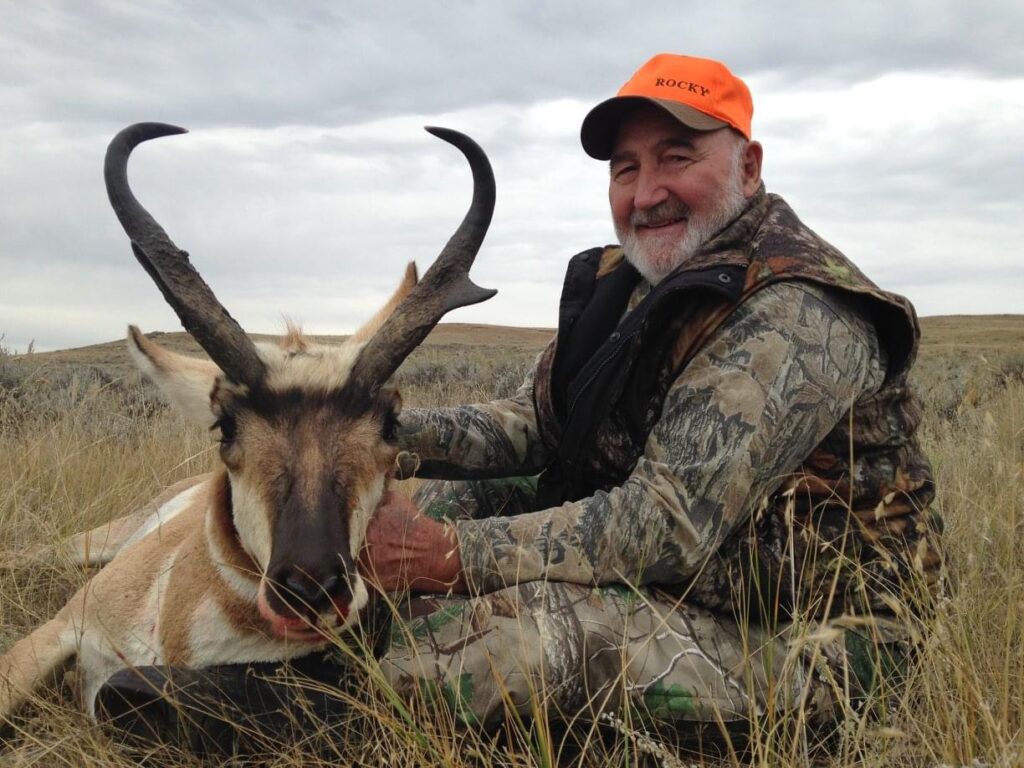
Wyoming Pronghorn Antelope & Whitetail Hunts
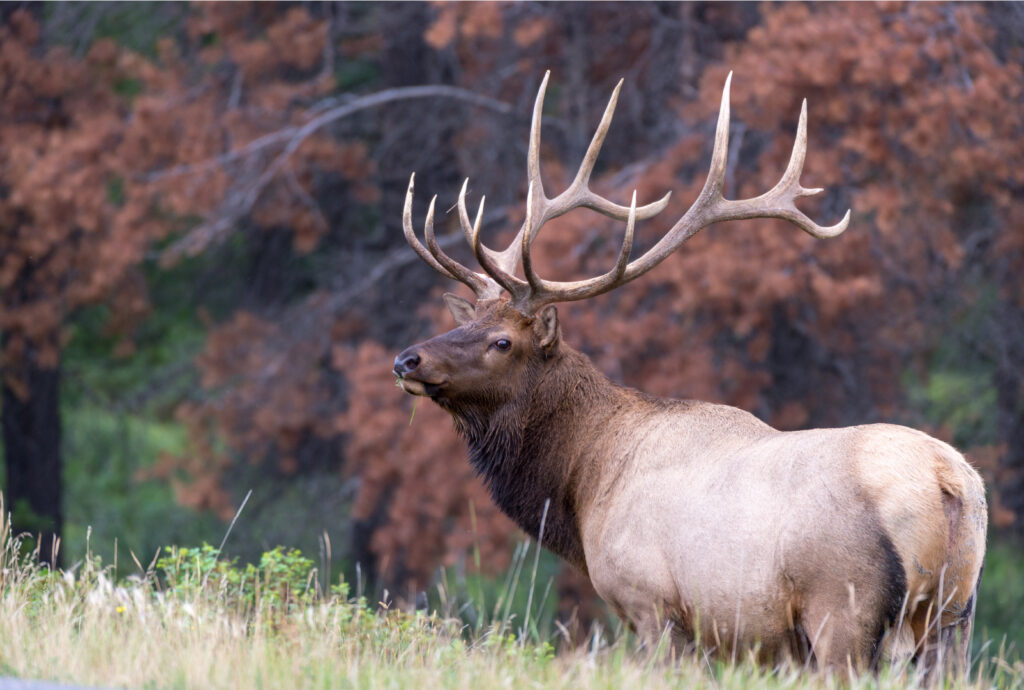
Wyoming – Trophy Elk Hunt in Units 38 & 39
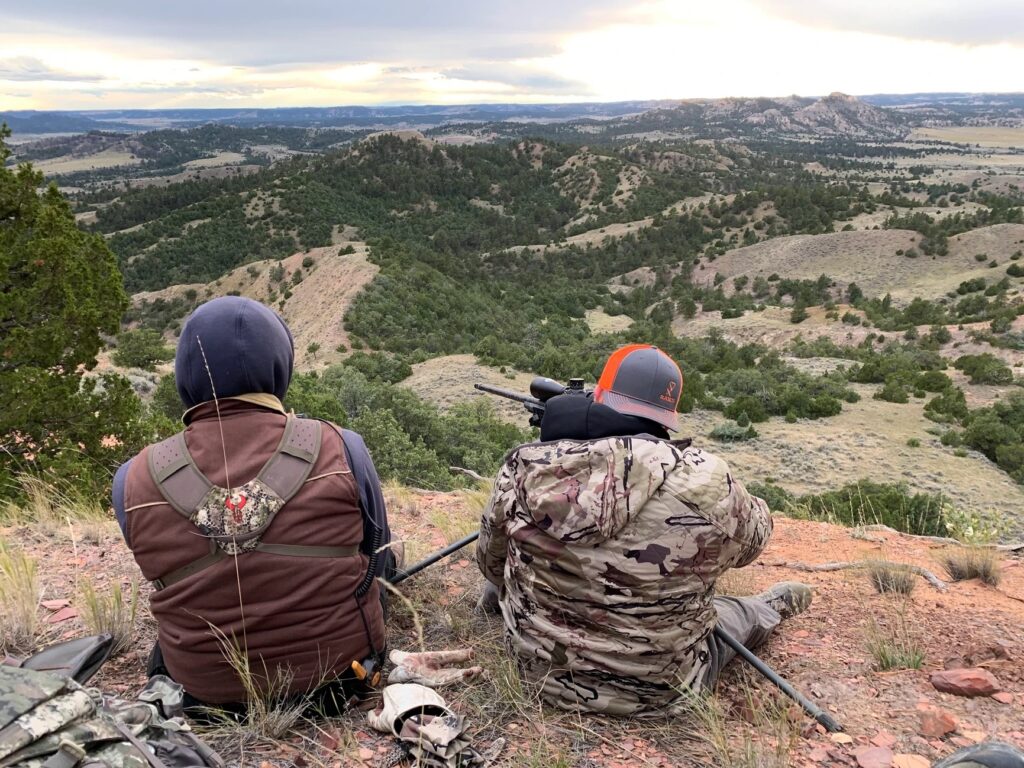
Wyoming – Private Land Cow Elk Hunt near Gilette
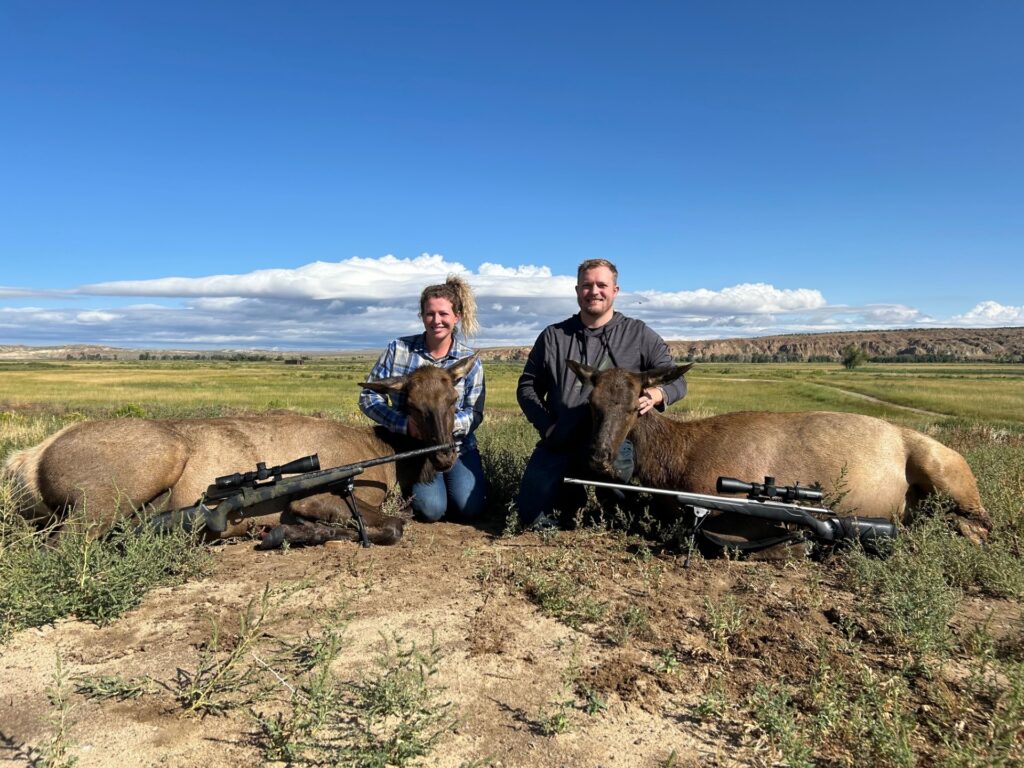
Wyoming – Private Land Cow Elk Hunt near Baggs
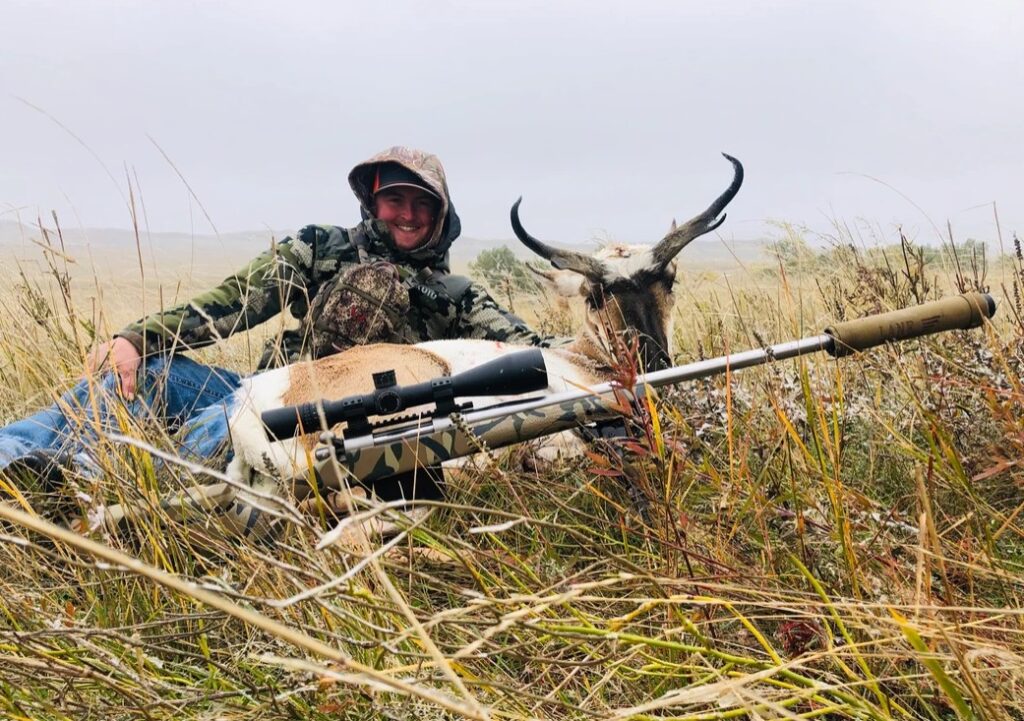
Wyoming – Mule Deer & Pronghorn Combination Hunt
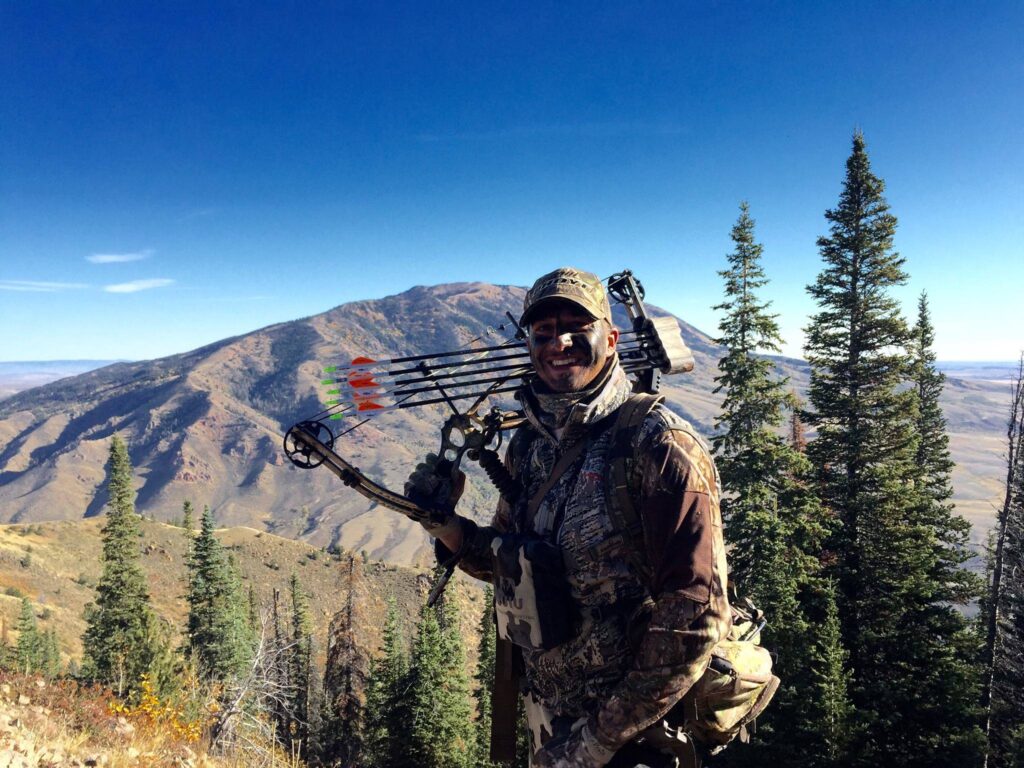
Wyoming – Limited Quota Elk Draw Hunt

Wyoming – Elk Hunting in Units 37, 38 & 39

Wyoming – Elk Area 129 Draw Hunt
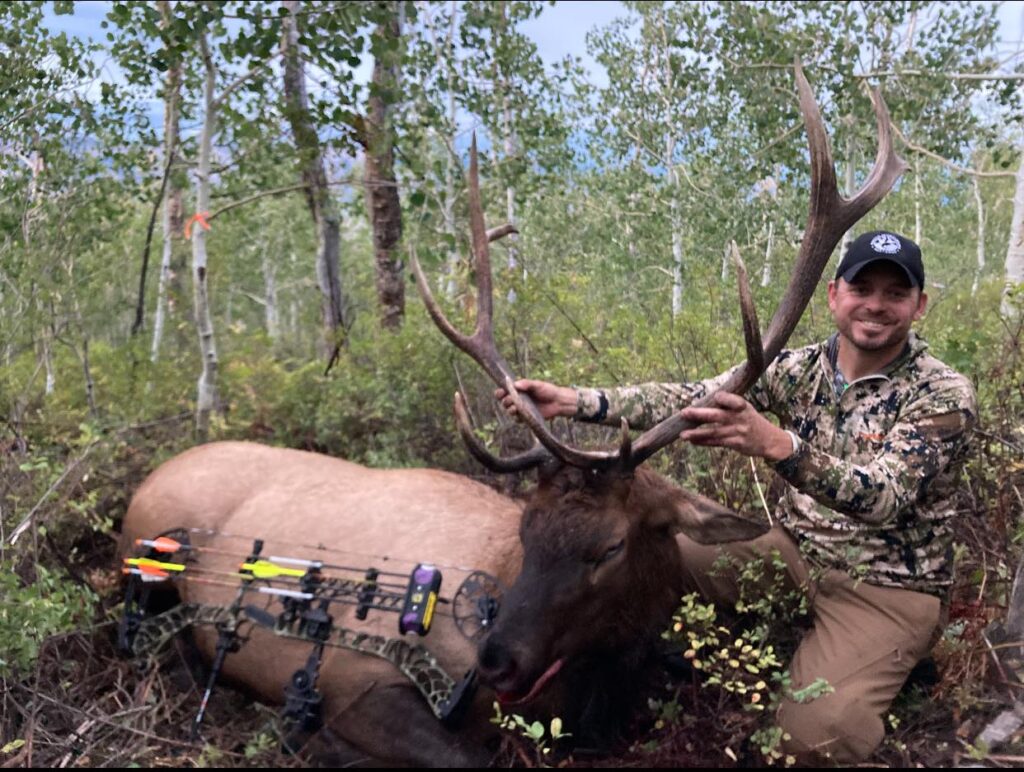
Western Colorado – Private Land Elk & Mule Deer Hunts
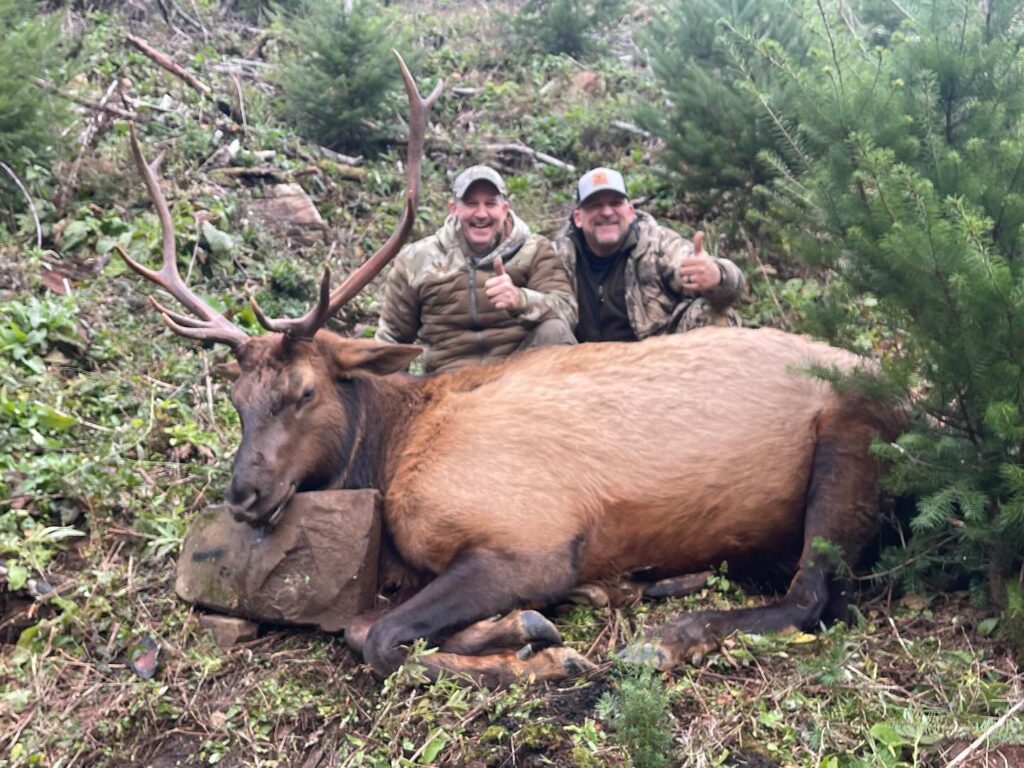
Washington Roosevelt Elk Hunts

Vancouver Island Roosevelt Elk Hunt
Utah Trophy Elk Hunt with Guaranteed Tags
The Bottom Line
In the end, the question is not whether DIY hunting is better than hiring an outfitter, or whether a guided trip somehow means less.
The better question is this: what kind of experience are you really looking for?
Some adventures are meaningful because you built them from scratch. You found the sign, studied the conditions, made the wrong decisions, corrected them, and eventually watched the plan come together. That was the South Georgia buck. That was the Palm Beach sailfish. Those memories matter because the struggle was part of the reward.
Other adventures are meaningful because the right help puts you in a place you could not have reached, or at least could not have reached as effectively, on your own. That was the Montana elk hunt. The outfitter provided access, experience, and support, but the moment still demanded preparation, composure, and execution.
That is the real lesson. The value of a hunt is not measured by how little help you had or how many inconveniences were removed. It is measured by how deeply you were involved, how much of yourself you invested, and how vividly the experience stays with you afterward.
If you have the time, access, knowledge, and appetite for uncertainty, a DIY hunt can be one of the most satisfying adventures imaginable. If your time is limited, the country is unfamiliar, or the logistics are too much to solve alone, a good outfitter can make the experience more efficient without making it less meaningful.
The goal is not to prove that you did everything the hard way. The goal is to choose the path that gives the trip its greatest meaning.
Whether you earn the moment through years of trial and error or with the help of someone who knows the country better than you do, the best outdoor memories are the ones that leave you grateful, exhausted, humbled, and eager to go again.