by Blake DeWitt
Shoshone Client
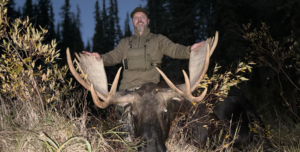
The Bull Steps Into the Bay
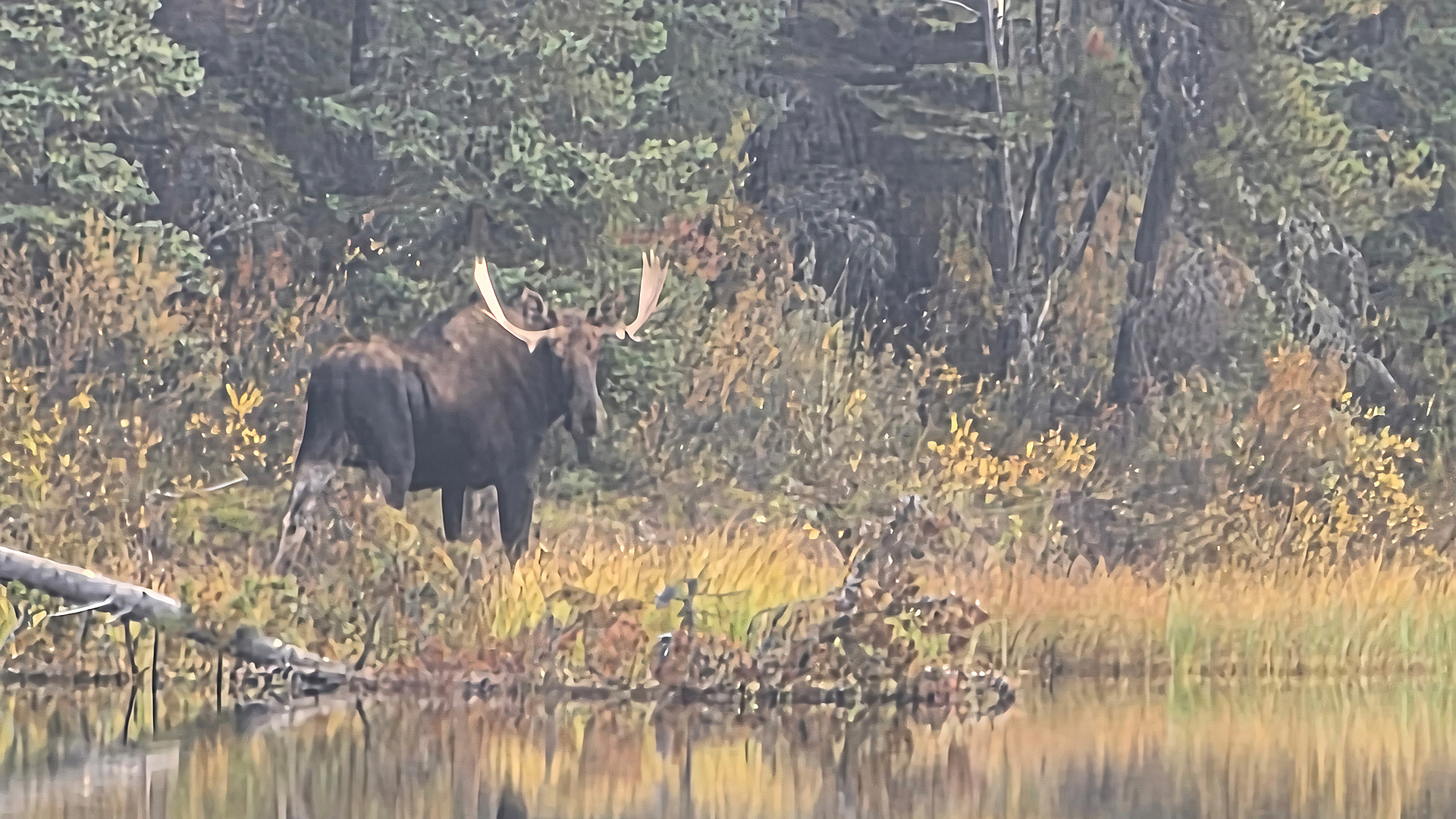
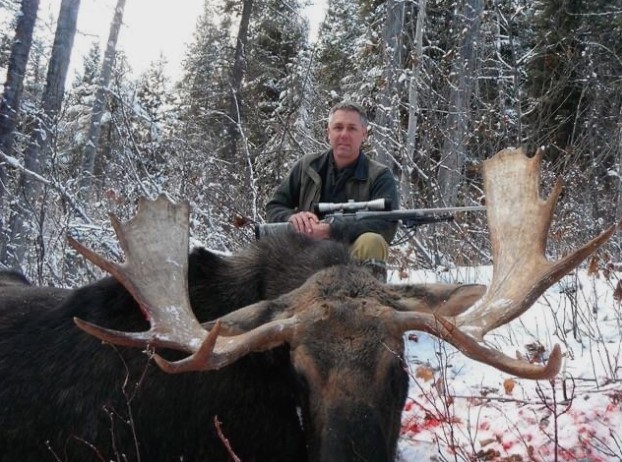
The bull stepped from the timber at the head of the bay, 250 yards away and quartering toward us. A perfect broadside pose was never guaranteed in moose country, and I had prepared for this angle. First, however, we had to decide whether he was legal.
Mikah studied the antlers through his binoculars. In that part of northern British Columbia, width alone did not qualify a mature bull. He needed at least three points on one brow palm or at least ten points on one antler, each point roughly an inch long. Mikah had told me about an excited hunter who once killed a 60-inch bull, only to learn that its antlers did not meet the standard. I had no intention of joining that club.
Finally, Mikah lowered his binoculars.
“He’s legal.”
I settled behind my .300 Winchester Magnum and found the near shoulder. Months of planning and years of imagining the moment narrowed to one animal standing across the water.
Four Shots Across the Water
The rifle cracked, followed by the dull thud of the bullet striking. The bull barely reacted. I worked the bolt and fired again. When he turned broadside, I sent a third round into him, but he remained on his feet. An animal that large could absorb a tremendous amount and keep moving.
After the third shot, I removed the magazine and turned to Mikah for more cartridges. He reached over and placed a round into the open action, not realizing that without the magazine it would fall through the bottom of the rifle. I closed the bolt, settled the crosshairs, and pressed the trigger.
Click.
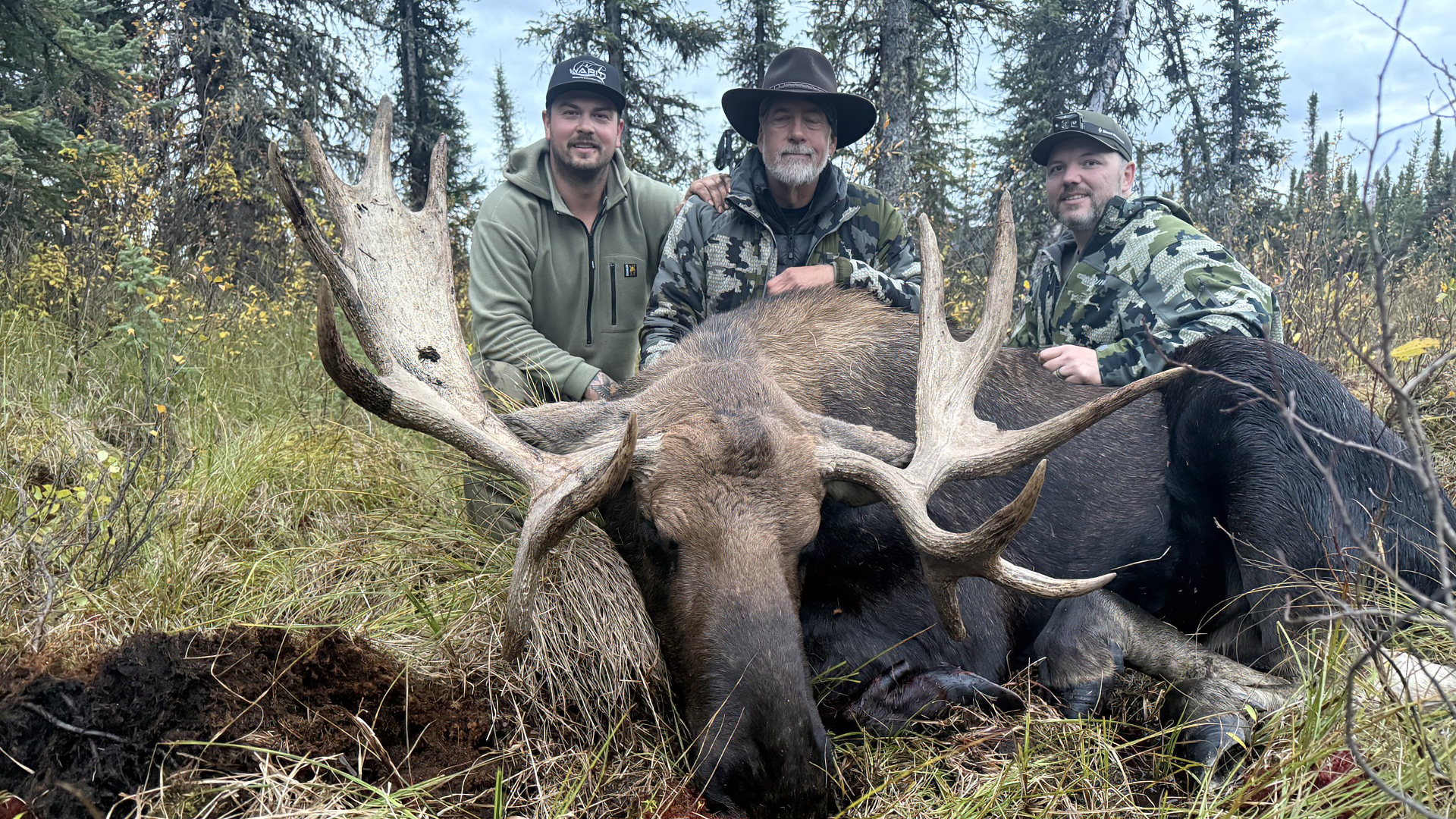
The empty chamber made the mistake obvious. I found the cartridge on the ground, fed it directly into the chamber, and worked the bolt. The bull had turned broadside. I fired. He wheeled toward the reeds and collapsed.
From Celebration to Hard Work
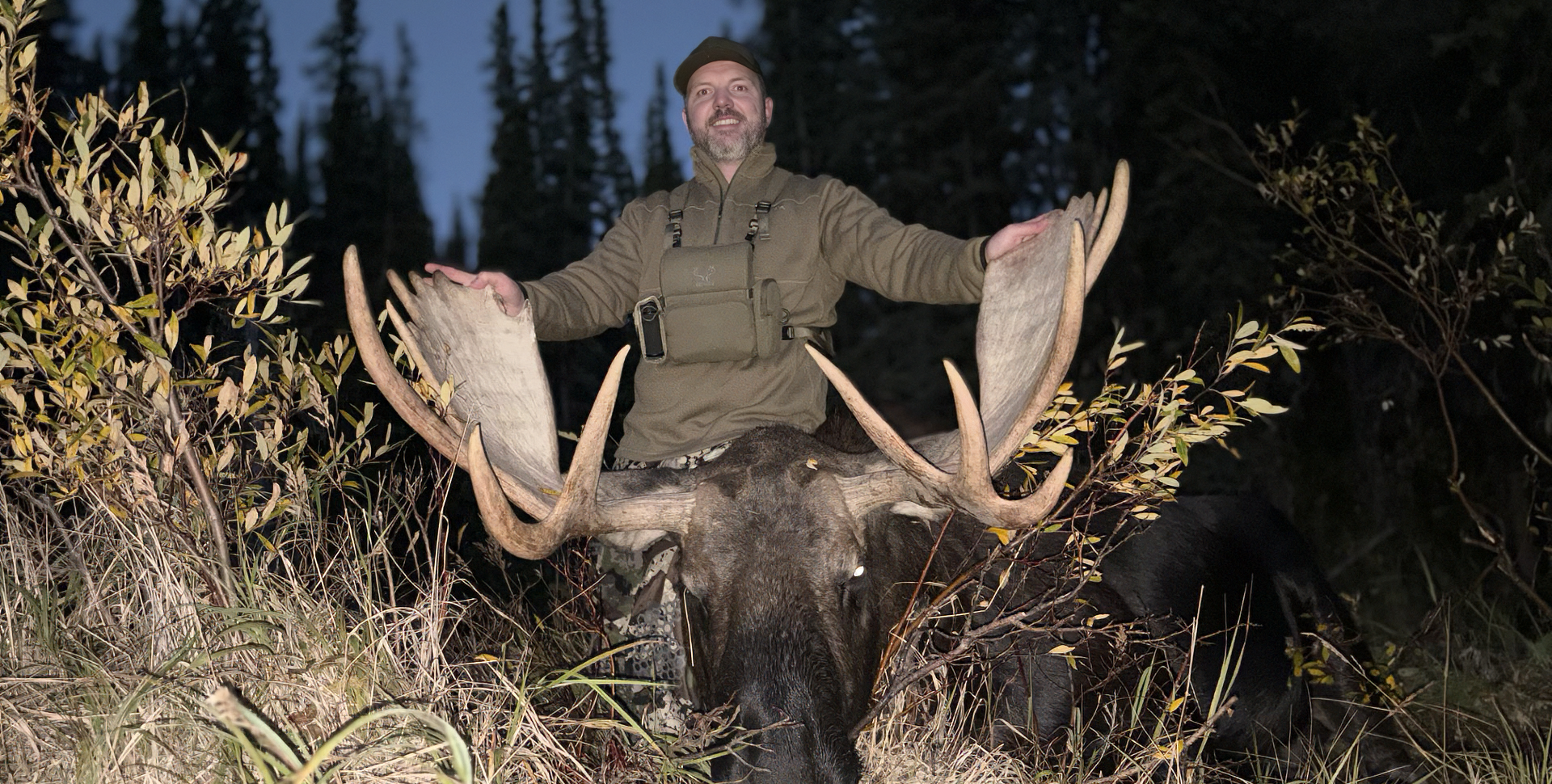
For a few seconds, nobody moved. The bull lay across the bay, and a hunt I had carried in my mind for years had become real. Then the fading light, the cold water, and the size of the animal ended the celebration.
We crossed the bay and started working. Four hours later, we had skinned and quartered the bull in the dark. It took three boatloads to haul the quarters, backstraps, antlers, gear, and five tired men to camp. We returned after midnight, soaked and exhausted.
Beyond the Roads
That was the second evening of a fly-in hunt in northern British Columbia, but the country had already stripped life to its essentials. A floatplane had carried us beyond the roads, over the Liard River and into a maze of mountains, timber, and water. When the engine faded over the lake, the outside world disappeared with it.
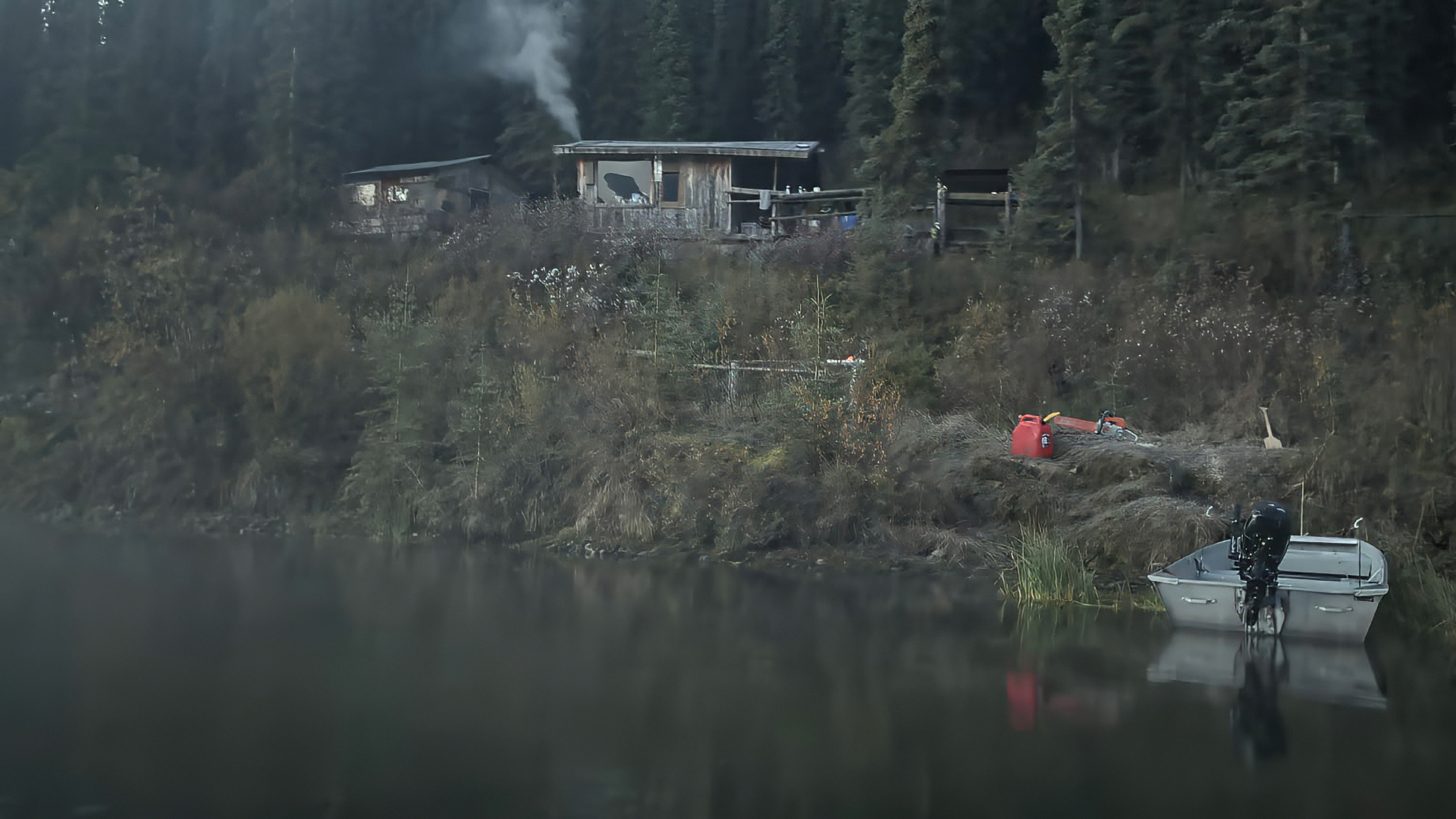
Our camp consisted of two rough cabins, a woodstove, bunks, and boats. Five of us shared it. My friend Tripps and I had come to hunt; Mikah, Owen, and Conner guided us. Mikah and Owen hunted with me. Conner paired with Tripps.
I had filled my tag quickly. Tripps still had his.
Hunting for More Than a Trigger Pull
The next morning, my body ached from the night’s work. With my tag filled, the hunt also felt different. I had come north for more than a trigger pull. I wanted the labor, discomfort, and self-reliance that ordinary life rarely demanded. Now I could find those things while helping Tripps fill his tag.
FEATURED ADVENTURES
Yukon Slam Combination Hunt
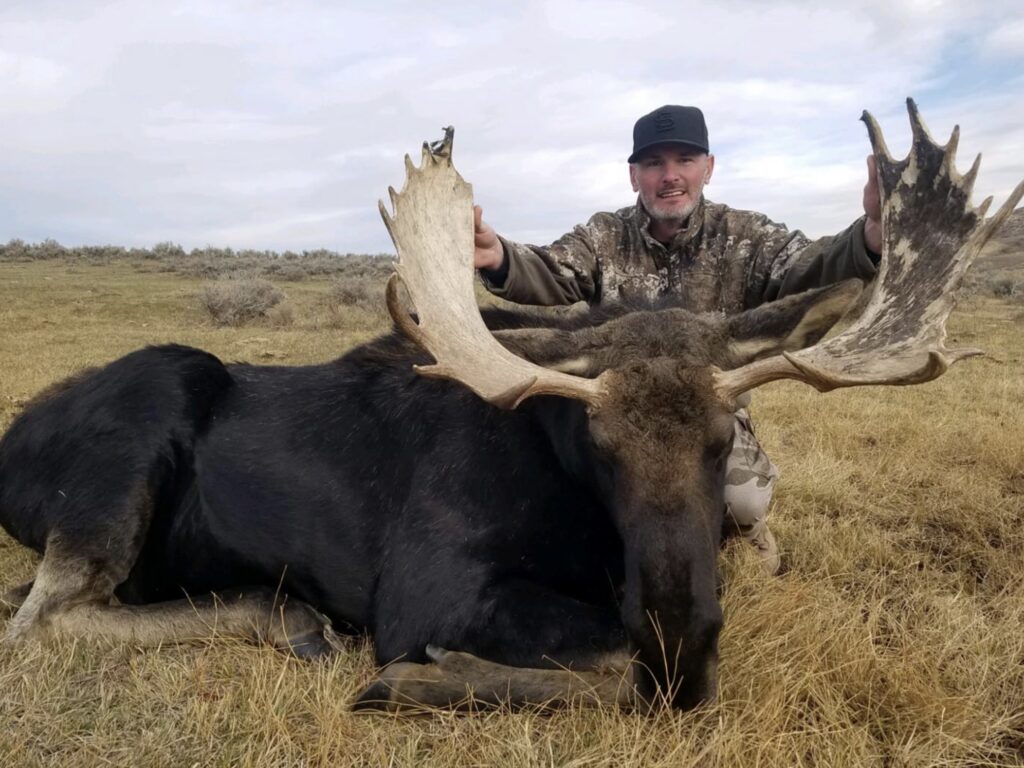
Utah Shiras Moose Hunt with Guaranteed Tags

Saskatchewan Golden Lake Fly-In Moose Hunt

Remote Northern British Columbia Wilderness Moose Hunts
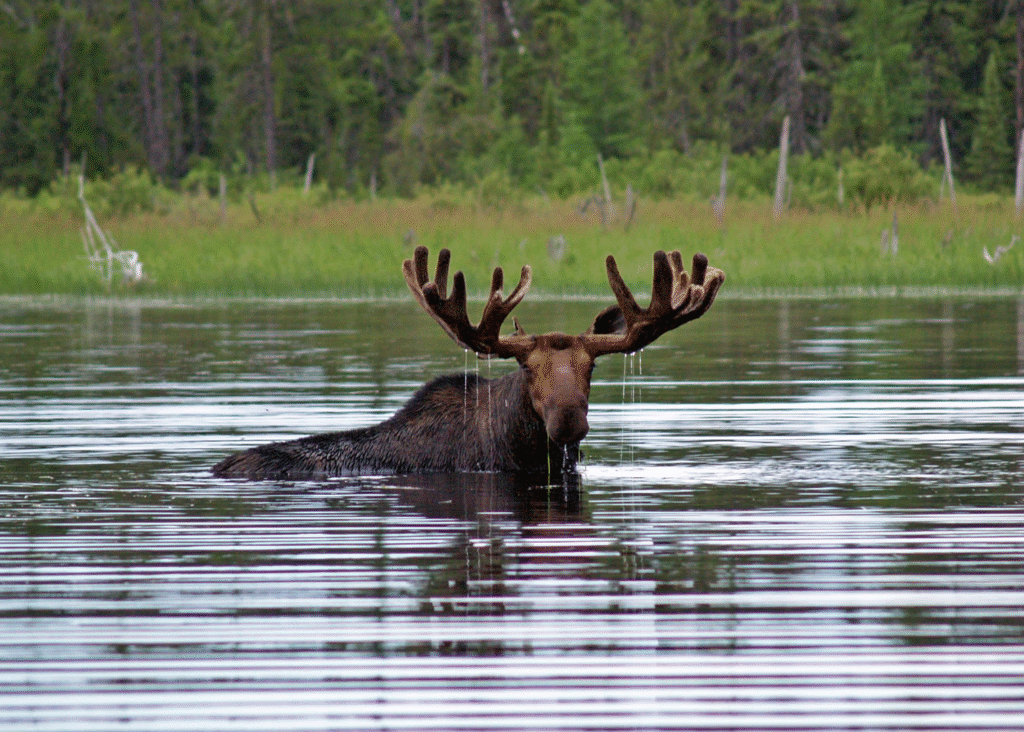
Ontario Self-Guided Rifle Moose Hunt

Newfoundland – Moose, Woodland Caribou & Black Bear
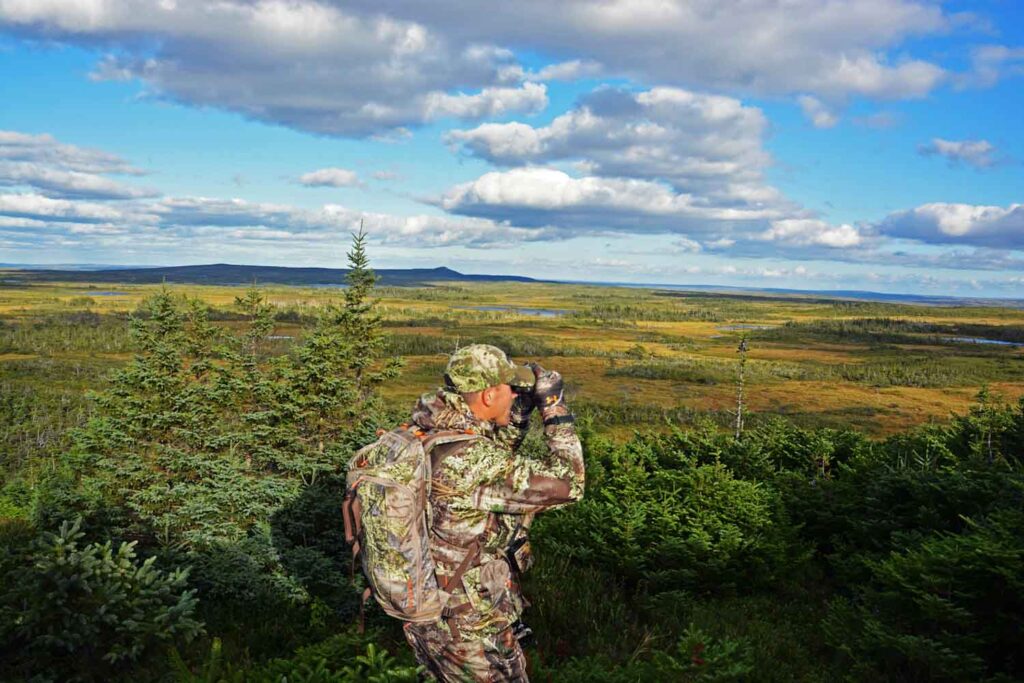
Newfoundland – Fly-In Moose, Caribou & Black Bear

Newfoundland – Eastern Canadian Moose and Woodland Caribou Hunt

Montana – Spring Black Bear Hunt In White Sulpher Springs
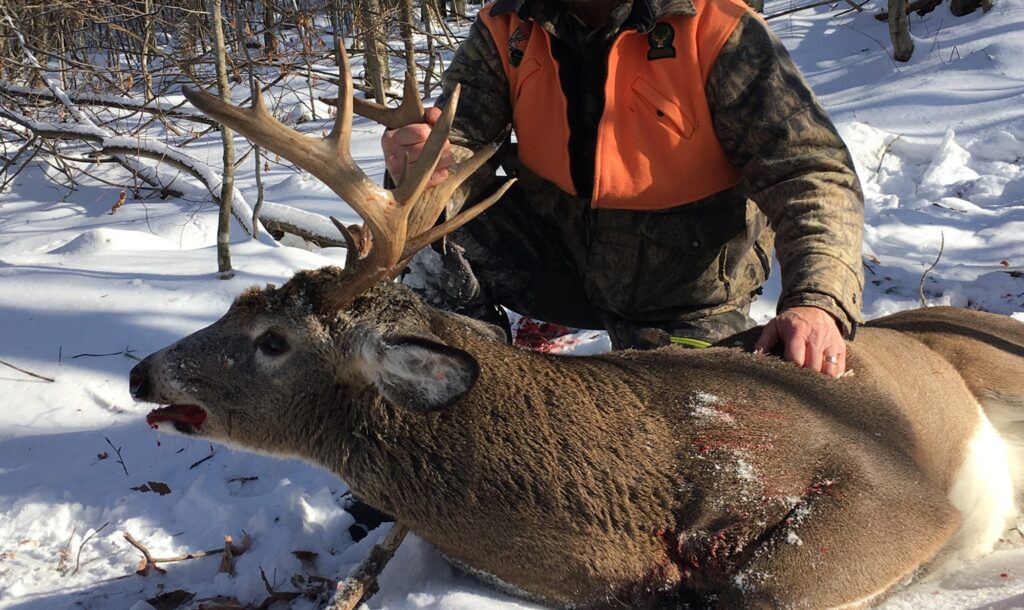
Maine – Black Bear, Turkey, Whitetail & Moose

British Columbia Shiras Moose Hunt
British Columbia Shiras Moose Horseback Hunt in Purcell Mountains
Moose in the Fog
Fog settled over the water the following morning. A cow and calf appeared as dark shapes along the shore, stepped into the lake, and swam across it. Their silhouettes moved through the mist like animals from another age.
Tripps, Conner, and I traveled to the western shore near the mouth of a creek. Wind pushed across the lake while Conner called into the timber. Near the end of the morning, a bull answered. We listened to his grunts beyond the trees until a small bull appeared and swam away.
When a Giant Isn’t Legal
Moose hunting often worked that way. A hunter could hear an animal long before he saw it, then lose it in cover that seemed too thin to hide anything so large. The antler rules added another layer: a wide bull could still be off-limits if his rack lacked the required points.
One big-bodied bull tested us for two days. We watched him travel the far shoreline, rubbing trees and drifting in and out of cover. Tripps and Conner once closed to 70 yards. He looked like a giant, but his antlers did not meet the legal standard. They let him walk.
A Hunt Shared With a Friend
The waiting carried more weight for Tripps. He had told me this might be his last wilderness hunt. Arthritis had slowed him, though he could still outshoot almost anyone I knew.
He had also been far more than a hunting partner. During my family medicine residency, he taught me lessons that never appeared in a textbook. He stood beside me through a divorce and helped me carry the loss of my first patient. We had traveled more than a thousand miles into the wilderness to hunt moose, and there was no one else I would rather have beside me.
Seven Days In, Another Bull Answers
On our seventh evening, we returned to a long meadow at the western end of the lake. Timber and marsh surrounded it, giving a moose room to remain hidden within easy hearing distance.
Tripps sat to my left on the far side of a low hill. Conner climbed above us and called for two hours. Then a grunt came from our left.
A tree blocked our view, but Conner could see the bull.
“It’s a good bull. He’s legal.”
The Moment Tripps Had Been Waiting For
Tripps and I moved the shooting tripod into an opening. The bull carried less spread than the giant they had passed, but his left brow palm held three qualifying points, including a drop tine. As soon as we saw him, he saw us and turned to run. Conner answered with a quick cow call. The bull stopped and looked back over his shoulder.
Tripps fired into the left shoulder. The bull took the hit and stayed upright. A second shot struck the same shoulder and turned him slightly. Tripps fired again as the bull quartered away.
The animal stood as though rooted to the ground.
Tripps reached for another cartridge on his sling.
“Hold on. He’s going down,” Conner shouted.
The bull started to leave.
“Nope. Hit him again.”
Tripps fired. We moved forward for a clear view just as the bull lifted his head, released his final breath, and settled to the ground.
Two Hunters, Two Bulls
For a moment, the meadow erupted. We had both tagged out. Conner told us he had never guided a moose hunt in which both hunters killed bulls on the same lake.
Then we saw what lay between the bull and the boats. Creeks cut across the marsh at the western end of the lake. They ran too shallow for the motors and too wide to cross easily. We slogged through mud, searched for narrow places to jump, and finally reached the bull.
Mikah and Owen had heard the shots. They brought the second boat and helped us drag both boats across beaver dams and pull them along shallow channels until we reached water within 40 yards of the animal. There we skinned, quartered, and caped him.
The Long Way Back to Camp
Three hours later, we loaded the meat and reversed the route. We dragged the heavy boats over the dams and through the creeks until the water deepened enough to lower the motors. We reached the cabin around midnight, cold, muddy, and grinning.
Racing the Weather Out
The wilderness allowed little time to savor success. The next day, reports warned of rising wind, snow, and the possibility that the lake would freeze. A floatplane could not land on ice, and hunters sometimes waited days beyond their scheduled pickup for the weather to break.
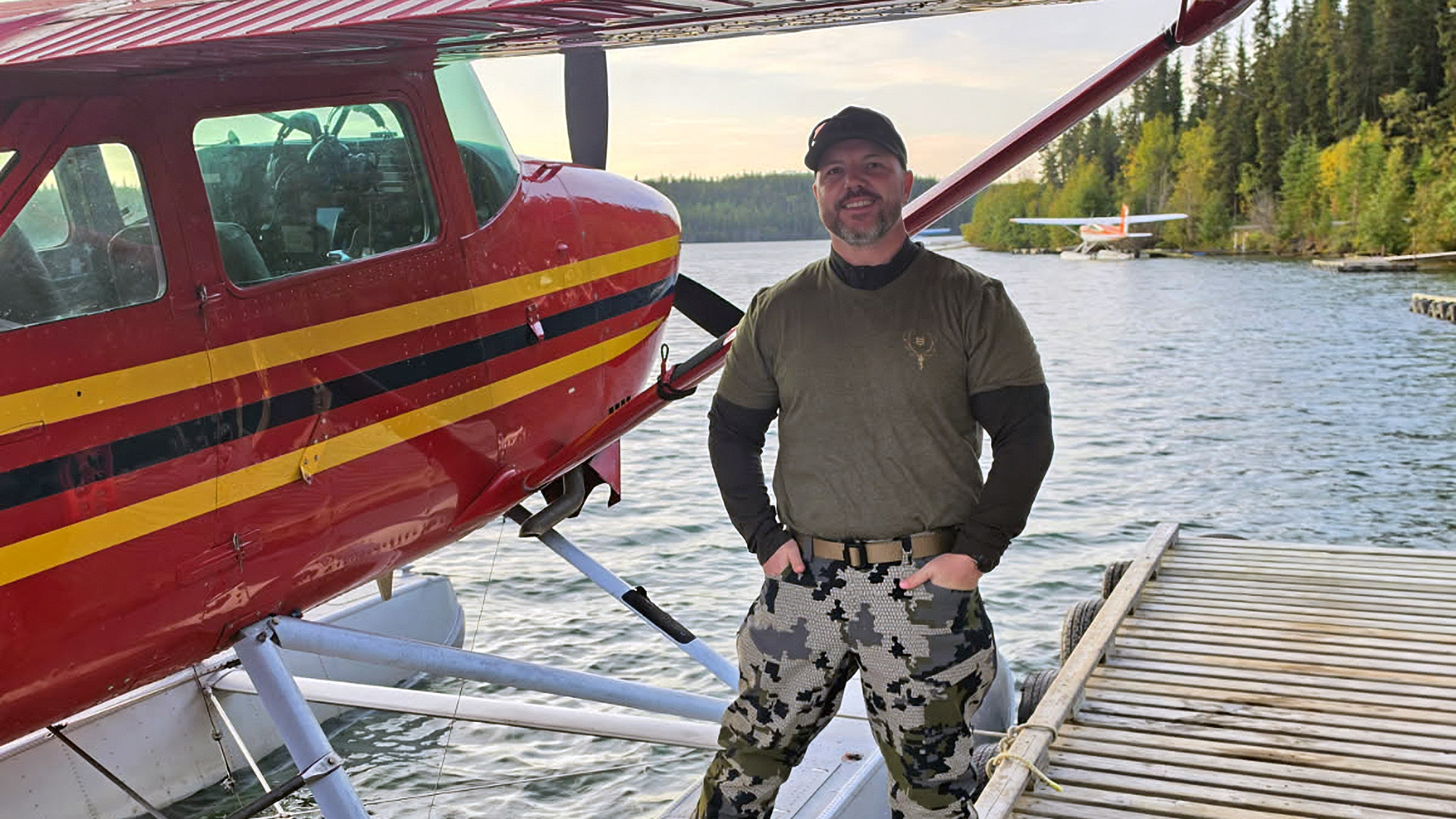
We called for an early flight. The pilot gave us one hour to pack camp before darkness closed the lake. We gathered our gear, the stove, boat motors, antlers, and meat. A DHC-2 Beaver appeared over the trees as the light faded, and we loaded it until no space remained.
Got Questions?
Leaving the Wilderness Behind
The plane lifted from the water and banked toward Muncho Lake. Below us, the cabins shrank into the timber. The country that had occupied every waking thought for a week began to disappear behind the mountains.
More Than a Moose Hunt
I had gone north wanting distance from schedules, phones, and the small demands that fill ordinary life. I had also wanted a bull. The wilderness gave me both, but the clearest lesson came after my tag was filled. The hunt became better when the next opportunity belonged to someone I cared about.
I had chased the wild and found it in the bay, the fog, the cold cabin, and the weight of a moose quarter in a boat. I also found it beside a friend who had carried me through difficult country long before we reached British Columbia.
The bulls made the hunt successful. Sharing it with Tripps made it worth remembering.