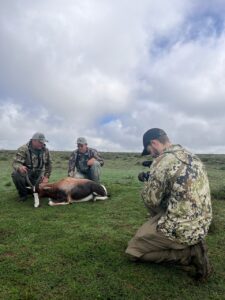
“Tell me, if you can, of anything that’s finer than an evening in camp with a rare old friend and a dog after one’s heart.”
— Nash Buckingham
Building a great Kansas hunting destination takes more than putting a few blinds around a pond. It starts with the land—finding the right combination of water, habitat, food, access, and an understanding of how wildlife uses the landscape.
Add comfortable lodging, good meals, quality equipment, and experienced guides, and you have the foundation for a memorable Kansas hunting experience.
That was the vision behind Shoshone Prairie Adventures.
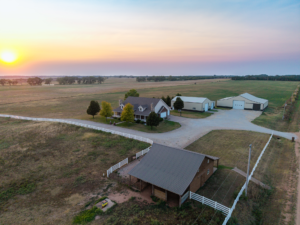
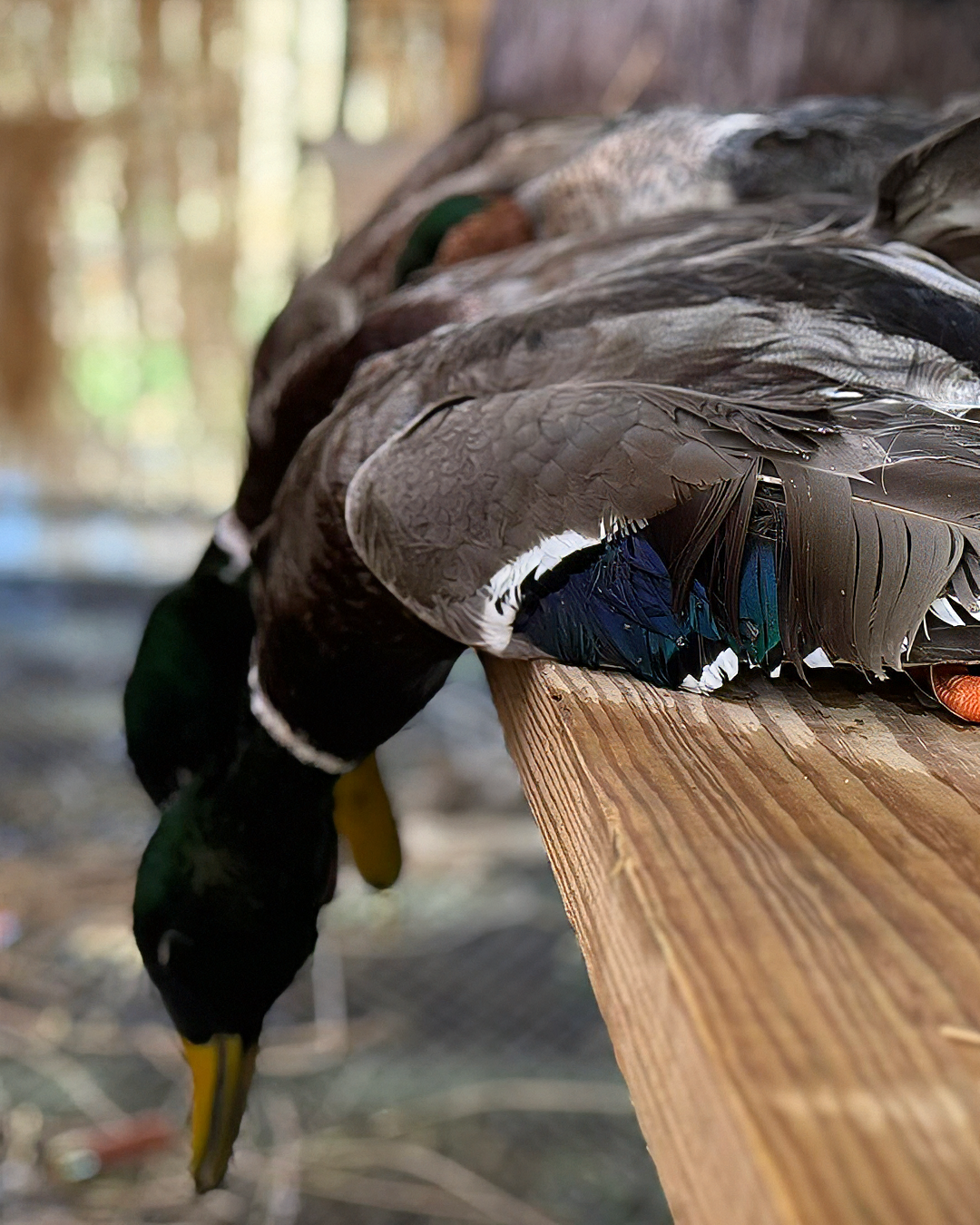
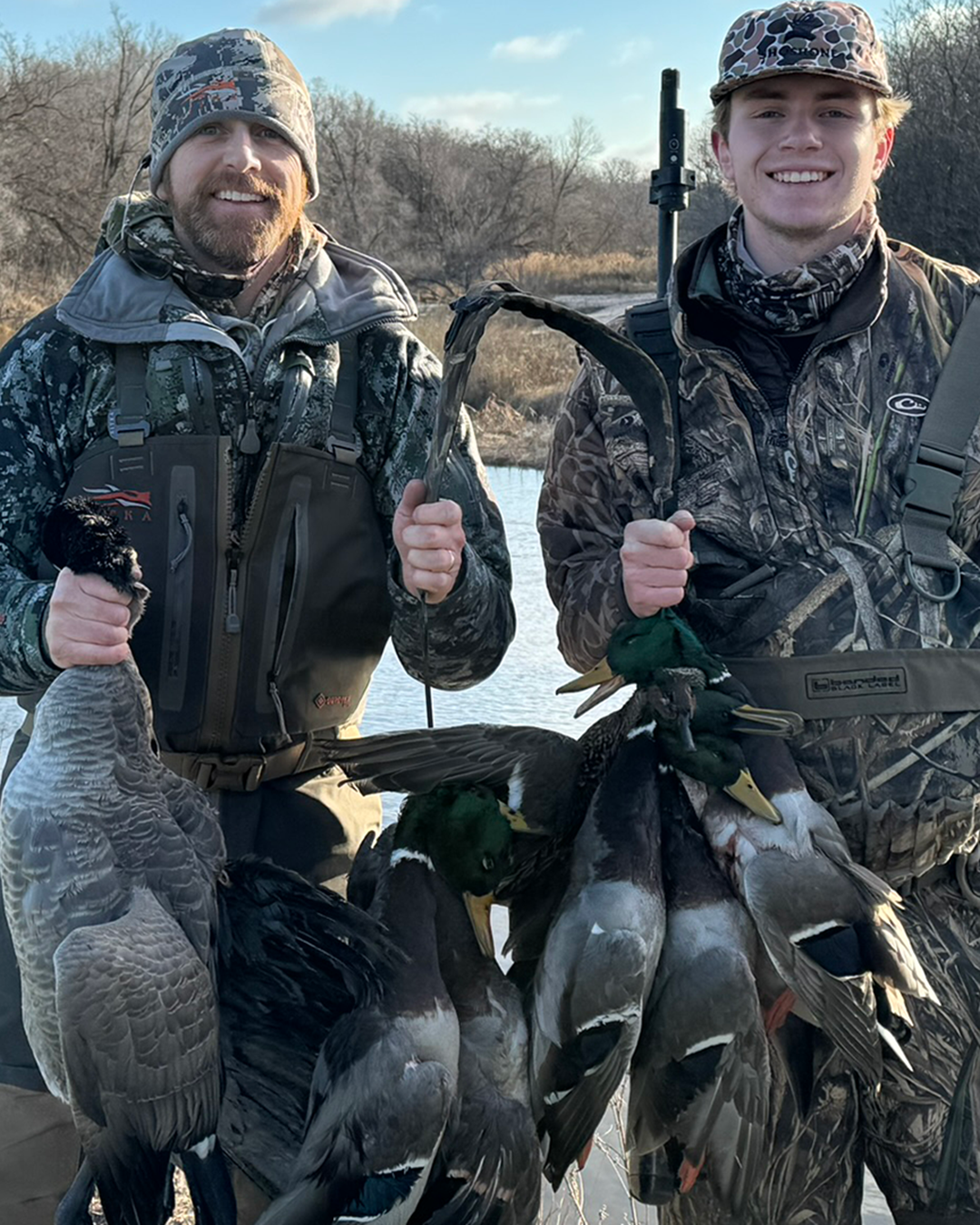
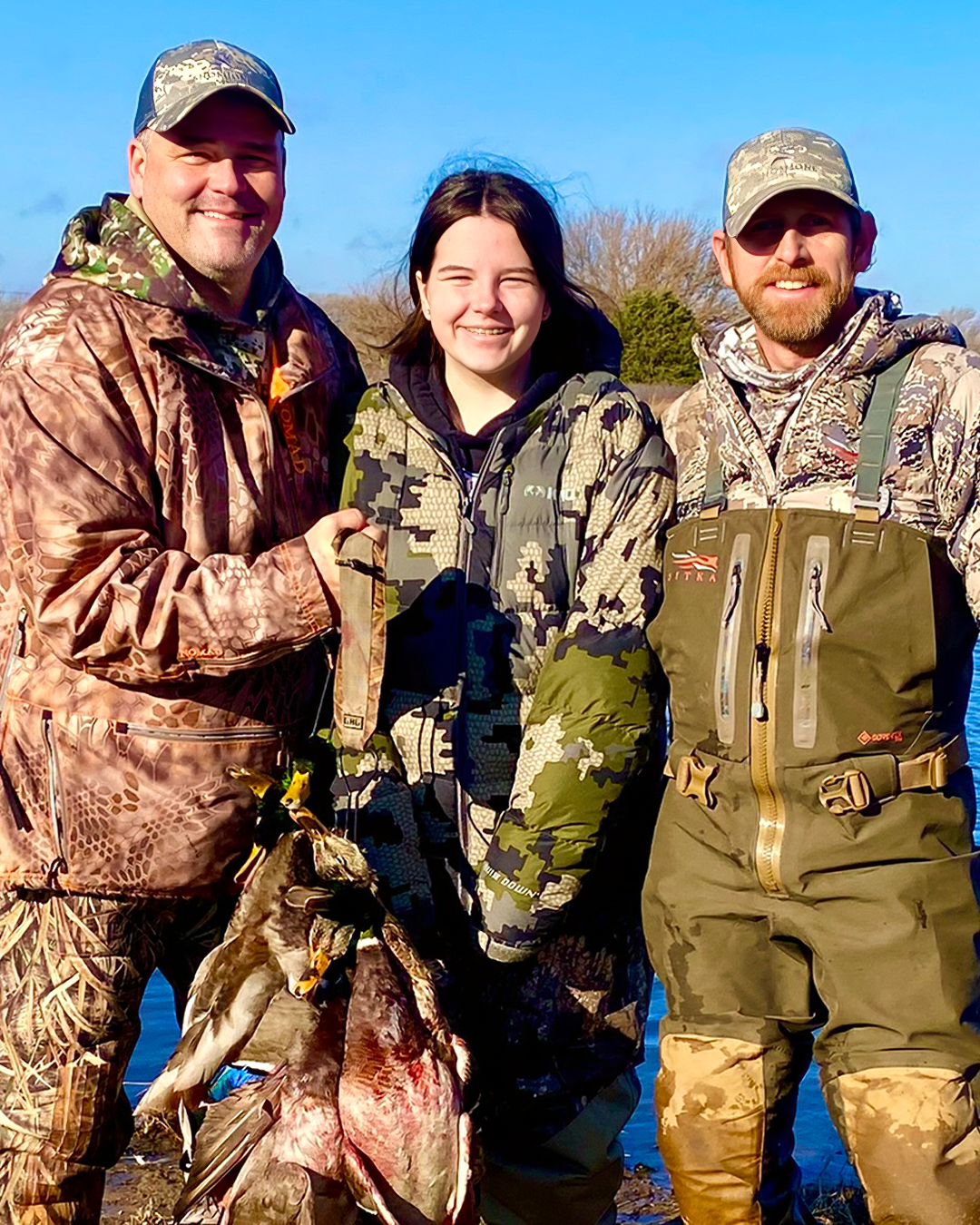
Located in south-central Kansas, we’re building more than another place to hunt ducks. We’re creating a destination where hunters can experience Kansas waterfowl, upland birds, turkey, and whitetail hunting while enjoying the camaraderie and comfort of a great hunting camp.
It Starts With the Right Ground
Before there is a blind, decoy, or shotgun shell, there has to be good habitat.
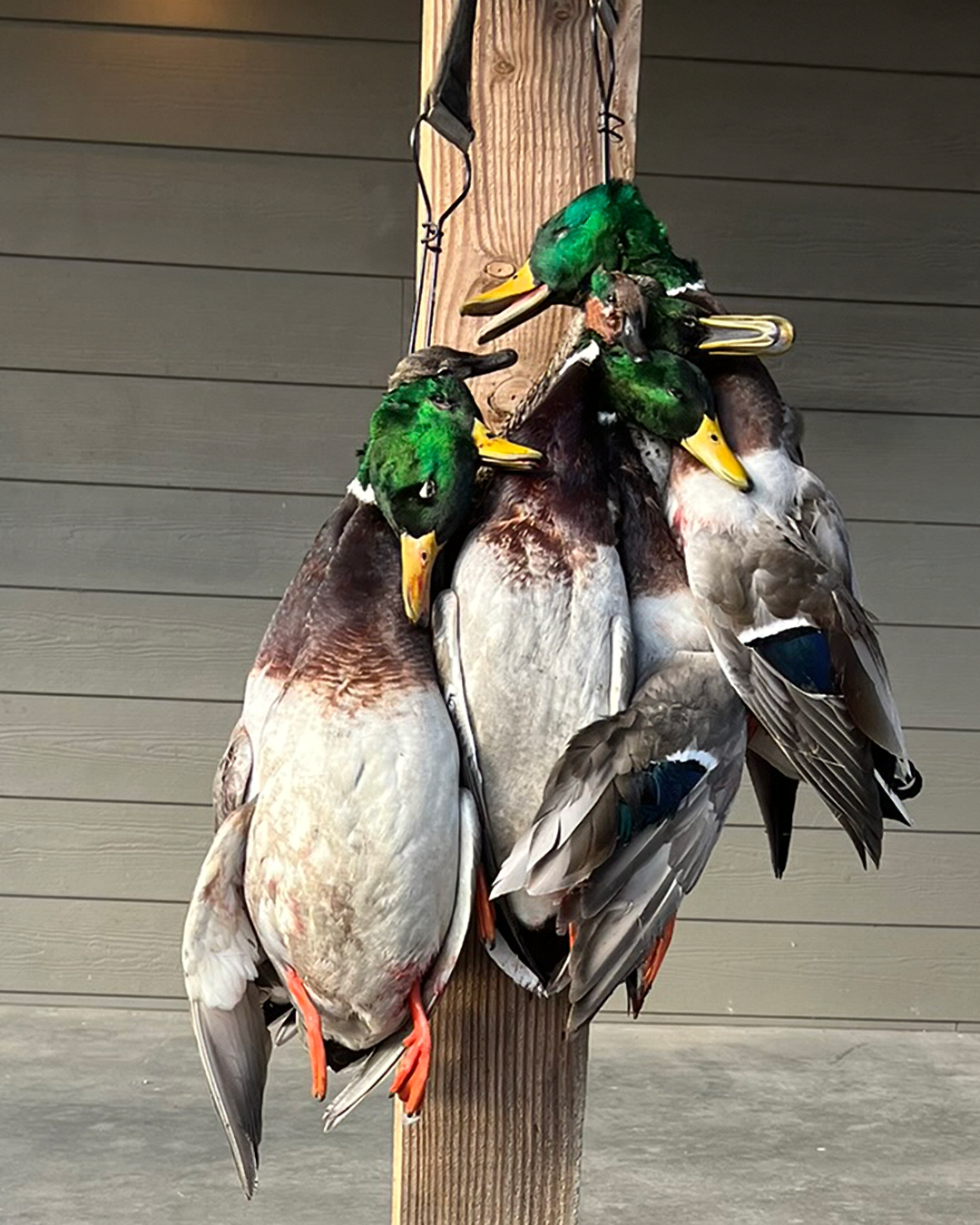
Kansas sits along the Central Flyway, putting the state in the path of migrating ducks and geese. During migration and winter, birds move through Kansas looking for food, water, and safe places to rest. Quivira and Cheyenne Bottoms are well known in waterfowl circles, and the Ninnescah River system is renowned for the numbers of mallards it holds in December and January.
But being in the ballpark isn’t enough. Any waterfowl hunter will tell you that you want to be on the “X”—where the birds want to be. That’s why choosing the right property is so important.
The best hunting ground isn’t necessarily the biggest. It’s about how the pieces work together. Ponds and wetlands provide waterfowl habitat, agricultural fields provide food, and grass, timber, and other cover create habitat for upland birds, turkey, and whitetail.
The best properties give wildlife a reason to stay.
Creating Habitat That Holds Wildlife
“There are some who can live without wild things, and some who cannot.”
— Aldo Leopold, A Sand County Almanac
Good wildlife habitat doesn’t happen by accident. Water levels, vegetation, food sources, timber, grasslands, and surrounding land use all influence how wildlife uses a property.
The goal is more than attracting animals for a single hunt. It’s creating an environment where wildlife wants to spend time.
That means managing water, maintaining cover, protecting feeding and resting areas, and continually learning how animals use the property throughout the year.
Putting the Blinds in the Right Places
“A duck call in the hands of the unskilled is one of conservation’s greatest assets.”
— Nash Buckingham
Even the best habitat won’t produce a great hunt if hunters aren’t in the right place.
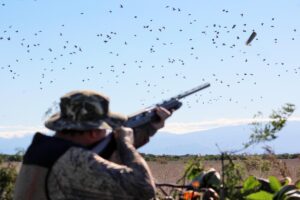
For waterfowl, wind direction, sun position, water levels, food sources, roosting areas, and surrounding cover all influence where birds want to be and how they’ll approach a property.
For turkey and whitetail, terrain, travel corridors, feeding areas, bedding cover, and seasonal patterns become equally important.
A good blind provides concealment, safe shooting lanes, and access without unnecessarily disturbing wildlife.
That’s where experience matters. Every season teaches you something about how animals use the property, allowing hunting locations and strategies to evolve.
Building More Than a Place to Sleep
“It is not all of duck hunting to hunt ducks.”
— Gordon MacQuarrie, The Stories of the Old Duck Hunters
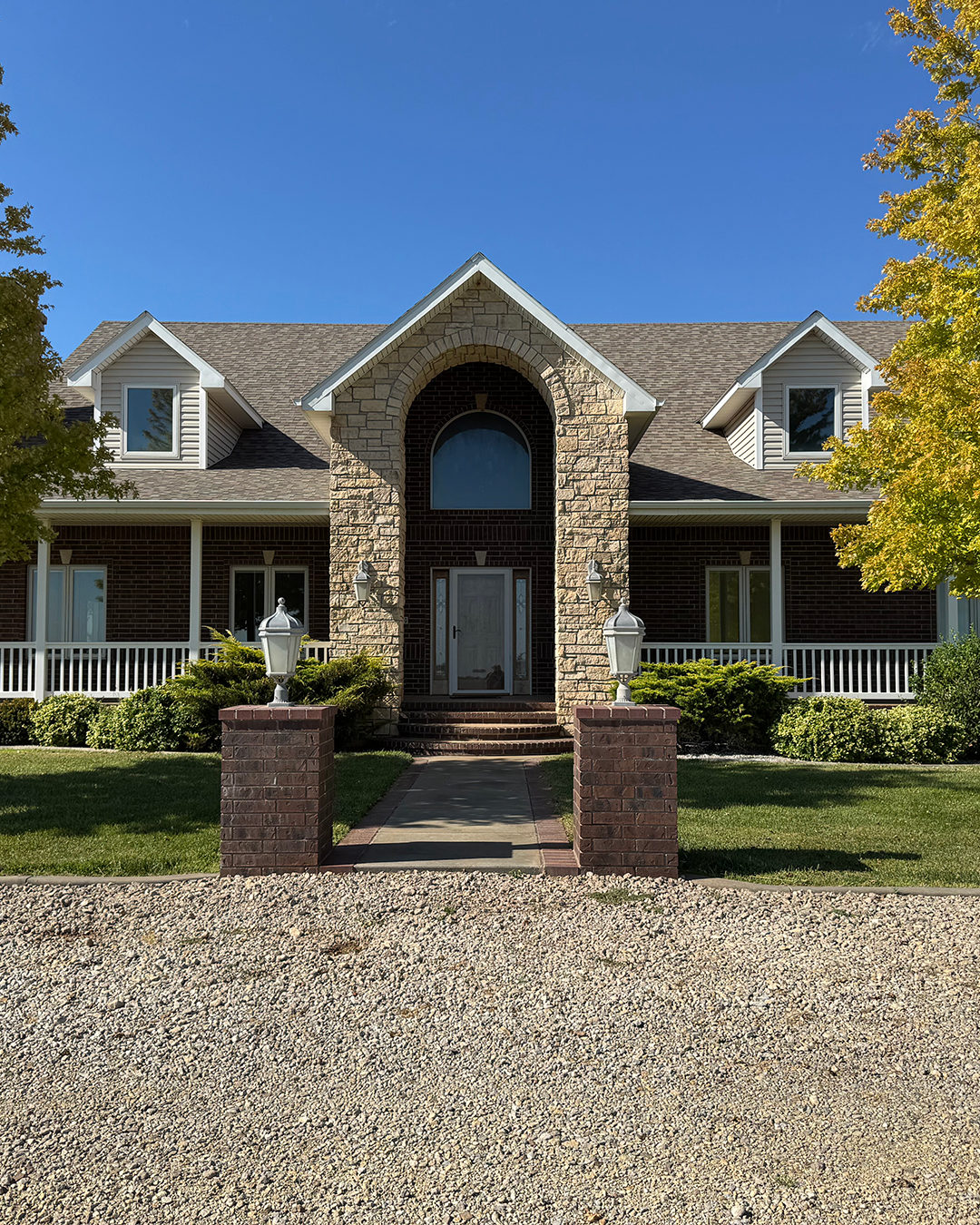
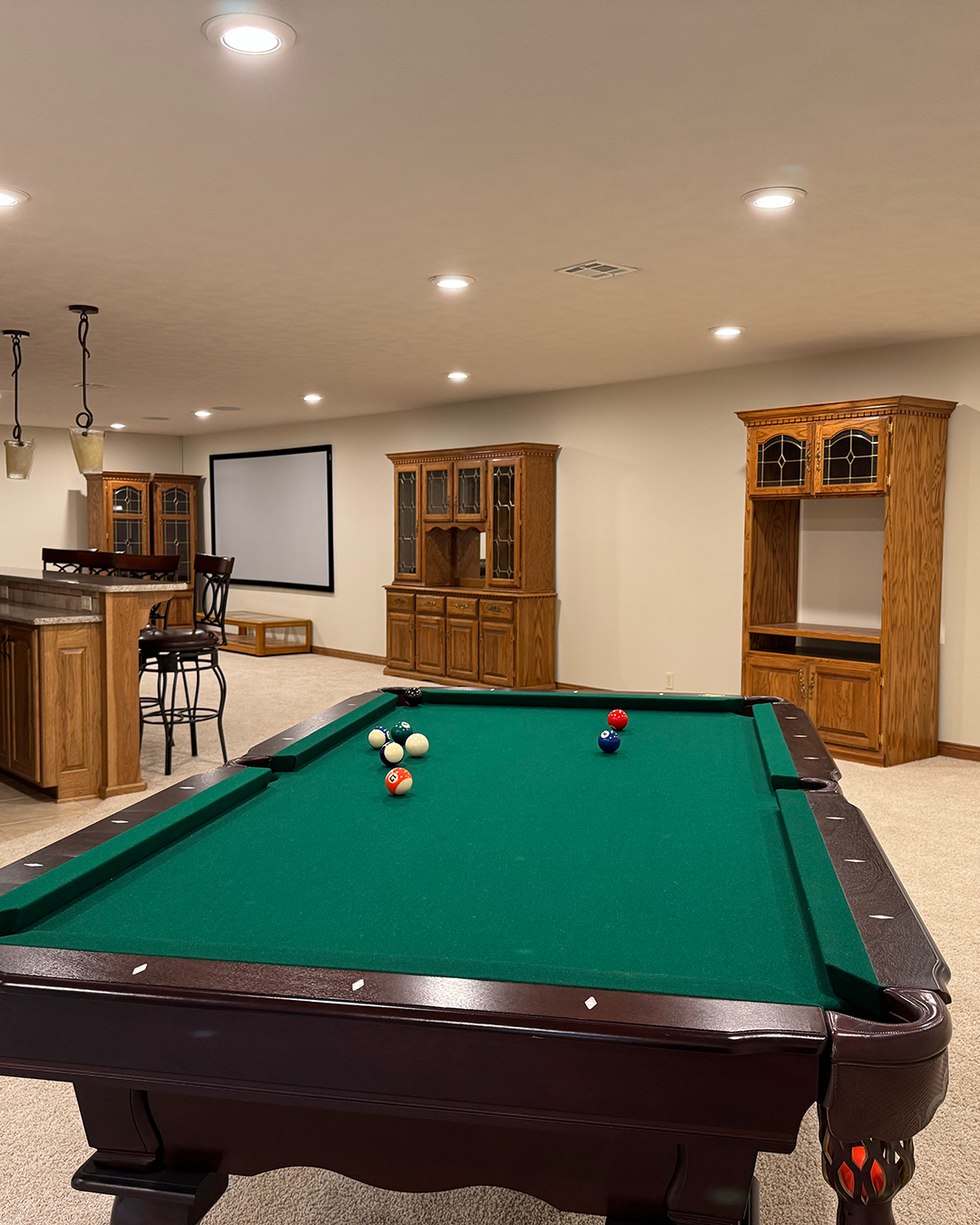
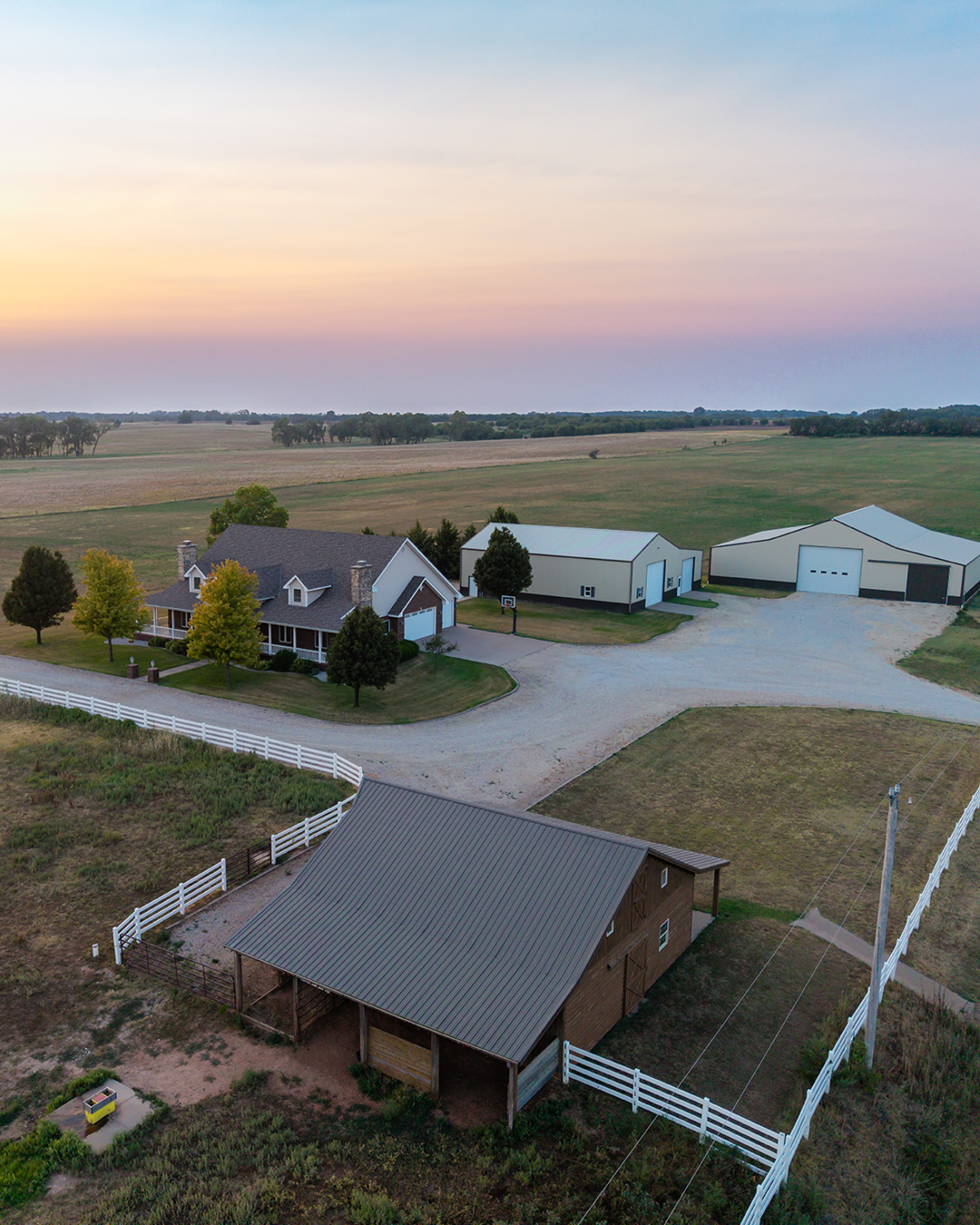
A hunting lodge should be more than four walls and a bed.
After a cold morning in the blind, a long walk through the uplands, or an early morning turkey hunt, hunters want a warm place to come back to, a good meal, somewhere to dry their gear, and a comfortable spot to sit around and tell stories.
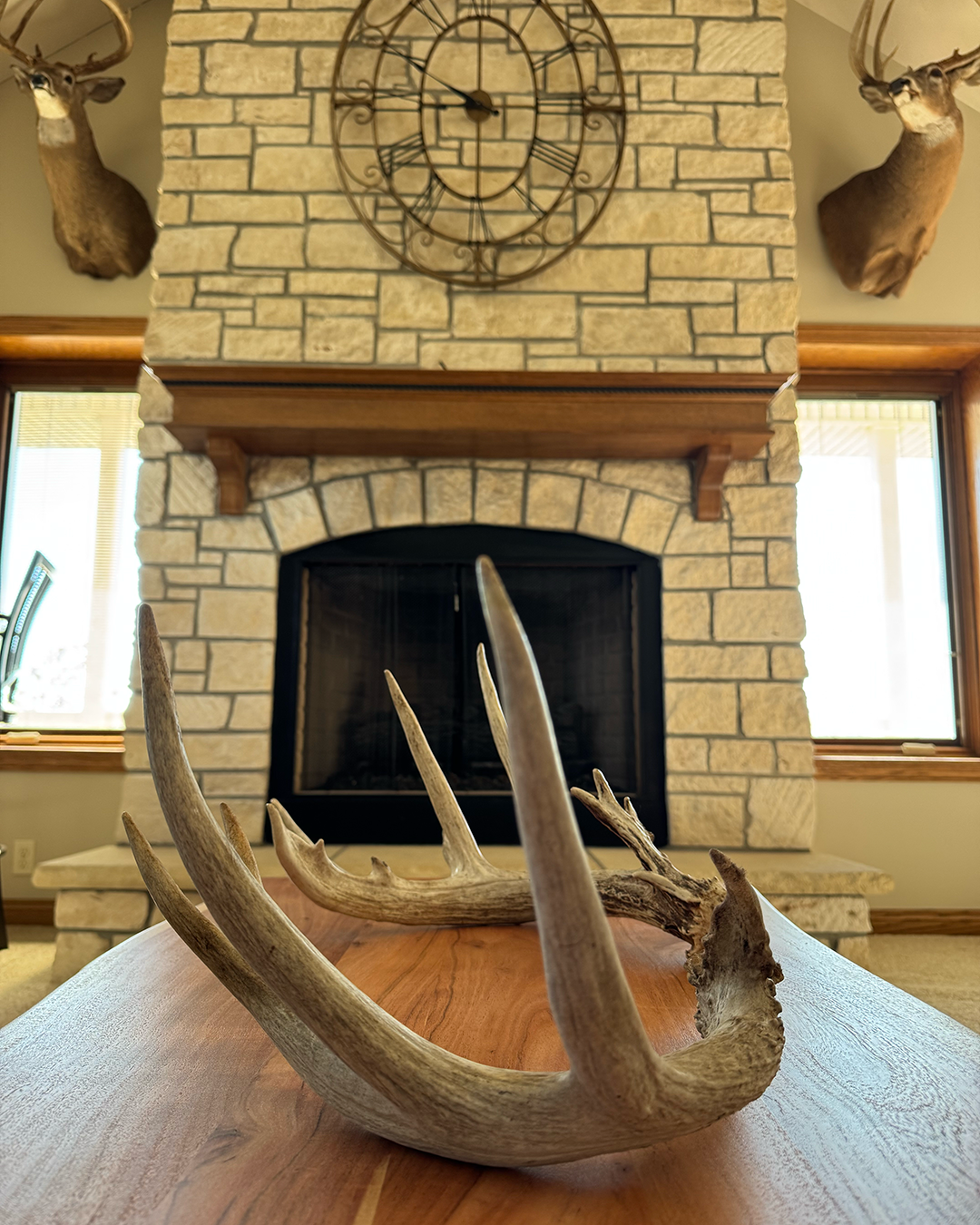
At Shoshone Prairie Adventures, the lodge is part of the experience. Comfortable accommodations, good food, and a relaxed atmosphere give hunters a place to unwind and enjoy the camaraderie that makes a great hunting camp special.
Because some of the best stories from a hunt don’t happen in the field.
They happen back at camp.
More Than Waterfowl
While Kansas waterfowl hunting is a major part of the experience, the same property and lodge provide opportunities to pursue several of the state’s most sought-after game species.
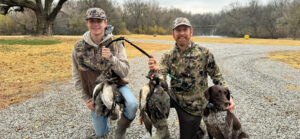
Upland bird hunters can chase pheasant and quail across Kansas grasslands, fields, and cover. For hunters who enjoy walking behind a good bird dog, few things compare to watching a rooster flush from cover or hearing the covey rise ahead of you.
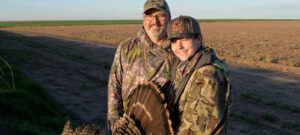
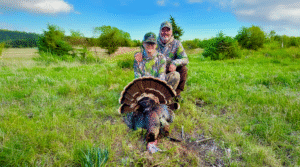
Turkey hunters can pursue Rio Grande gobblers across the Kansas prairie, timber, and agricultural country. Spring mornings bring the familiar sounds of gobblers answering from the roost, followed by the challenge of calling a mature bird into range.
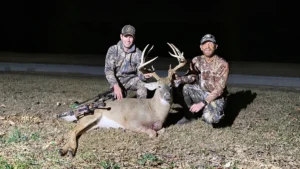
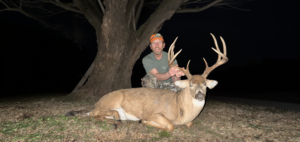
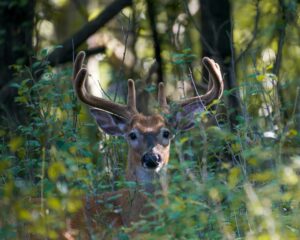
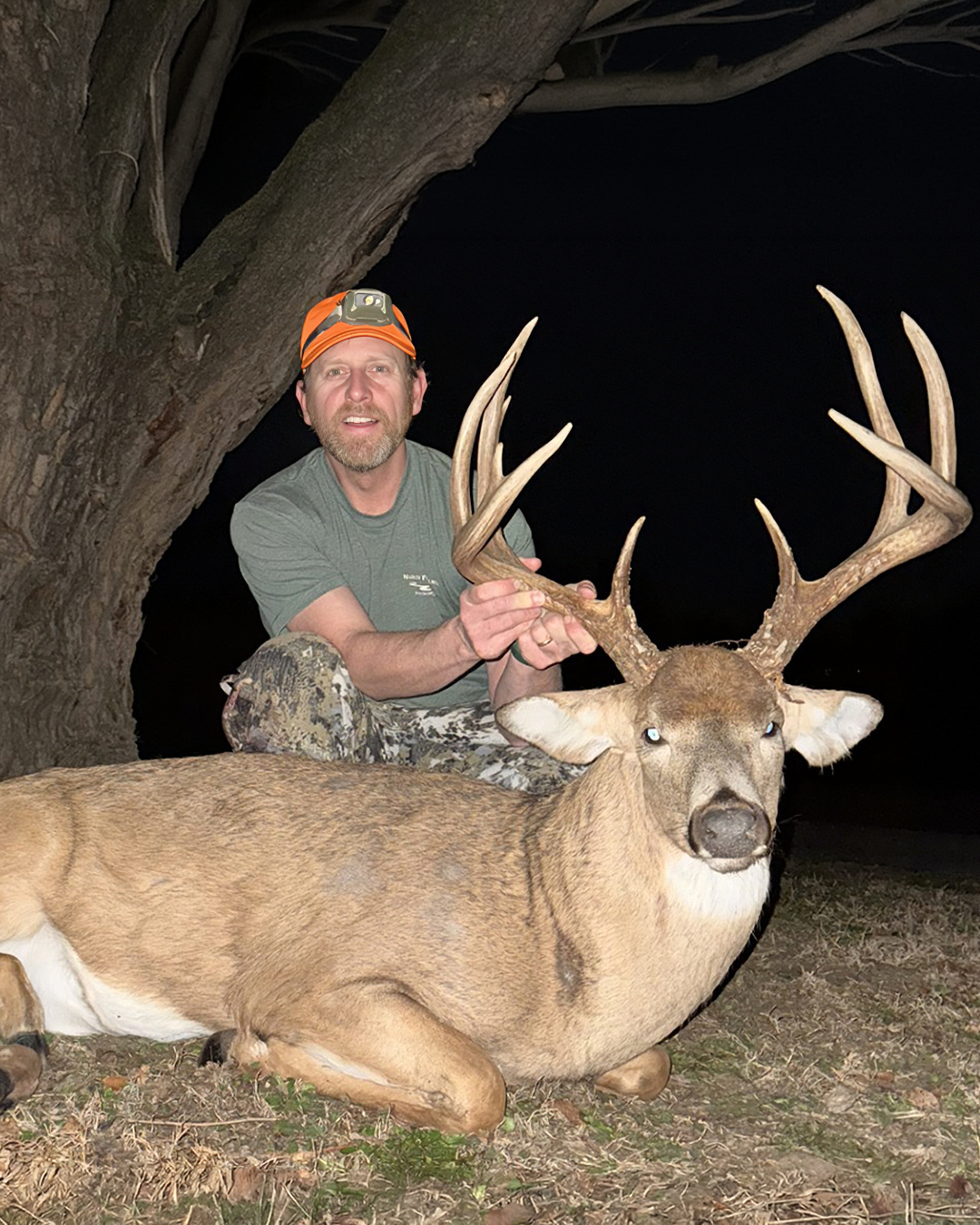
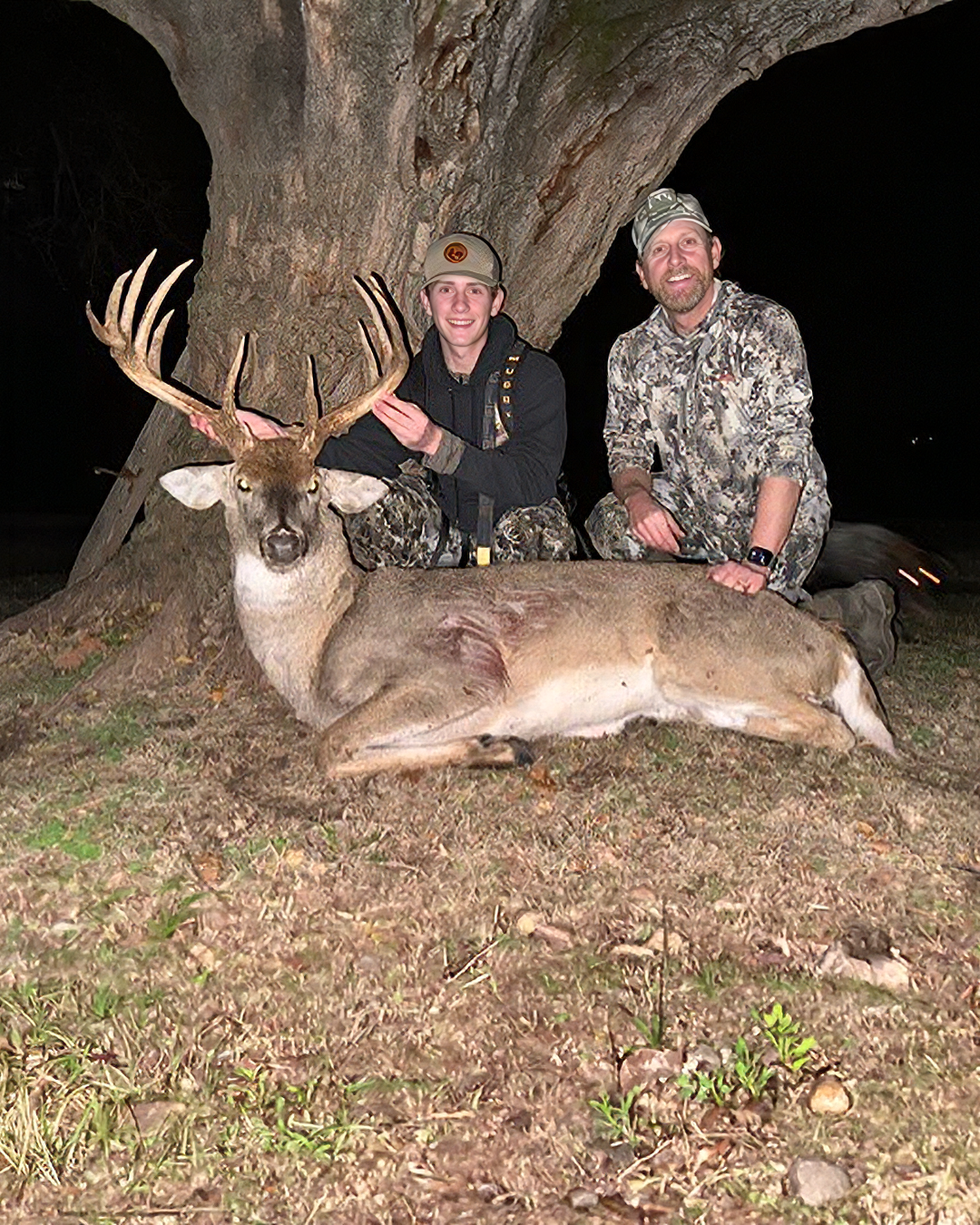
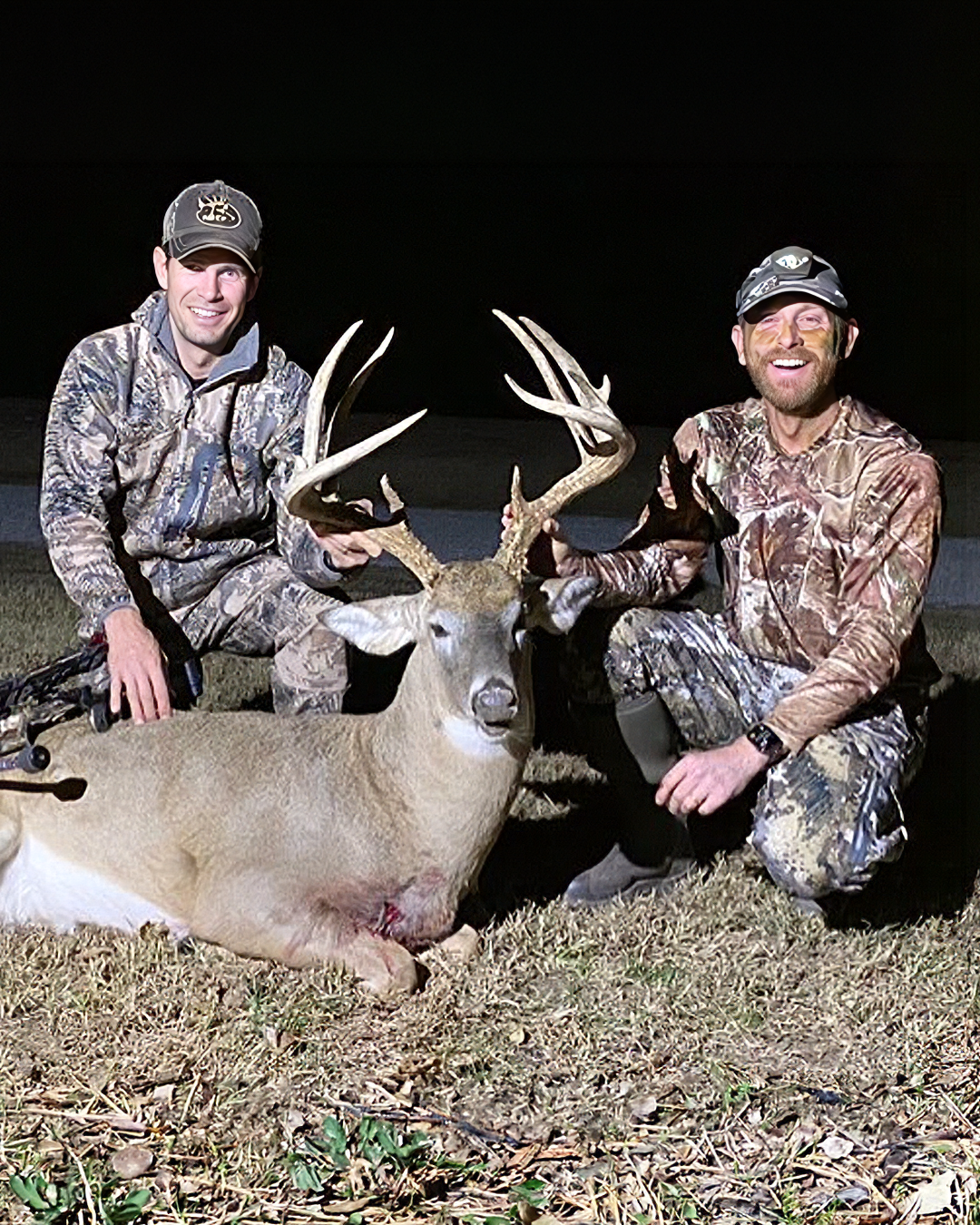
Whitetail hunters have another entirely different experience. Kansas is known for producing exceptional whitetails, and the combination of agricultural fields, timber, brush, and natural cover creates ideal habitat. Whether you’re sitting quietly at first light or watching the last minutes of daylight fade across a Kansas field, whitetail hunting here is about patience, preparation, and playing the conditions.
The result is a lodge that can serve as a base camp for multiple Kansas hunting experiences throughout the year.
The Details Behind a Good Hunt
A lot of work goes into a successful hunt that hunters never see. There is equipment to be maintained. Blinds and stands to be prepped and checked. Roads and trails need attention. And above all, countless hours of scouting.
Then there are the little things that make the morning run smoothly.
Which blind to hunt on an east wind? Do we need to be set in the field at 12 or 2? How do we access the blind or stand? Where can we sight in equipment? Where does wet gear go? How quickly can everyone get back to the lodge? Should we have dinner at 6 or 7? Do we need to leave at 5:30 or 6 to be set up by shooting light?
Our goal is to make those details feel effortless.
Hunters should be thinking about the weather, the birds, the turkey gobbling down the ridge, or the buck they’re hoping to see—not where they left their waders.
Managing Hunting Pressure
More hunting isn’t always better hunting.
Wildlife quickly responds to pressure. Managing that pressure is an important part of maintaining a successful hunting property throughout the season.
That can mean rotating hunting areas, allowing ponds to rest, adjusting schedules, and paying attention to how wildlife responds to activity.
Sometimes the best thing you can do for tomorrow’s hunt is leave the animals alone today.
It’s About the Entire Experience
At the end of the day, building a Kansas hunting lodge isn’t really about building a lodge.
It’s about building an experience.
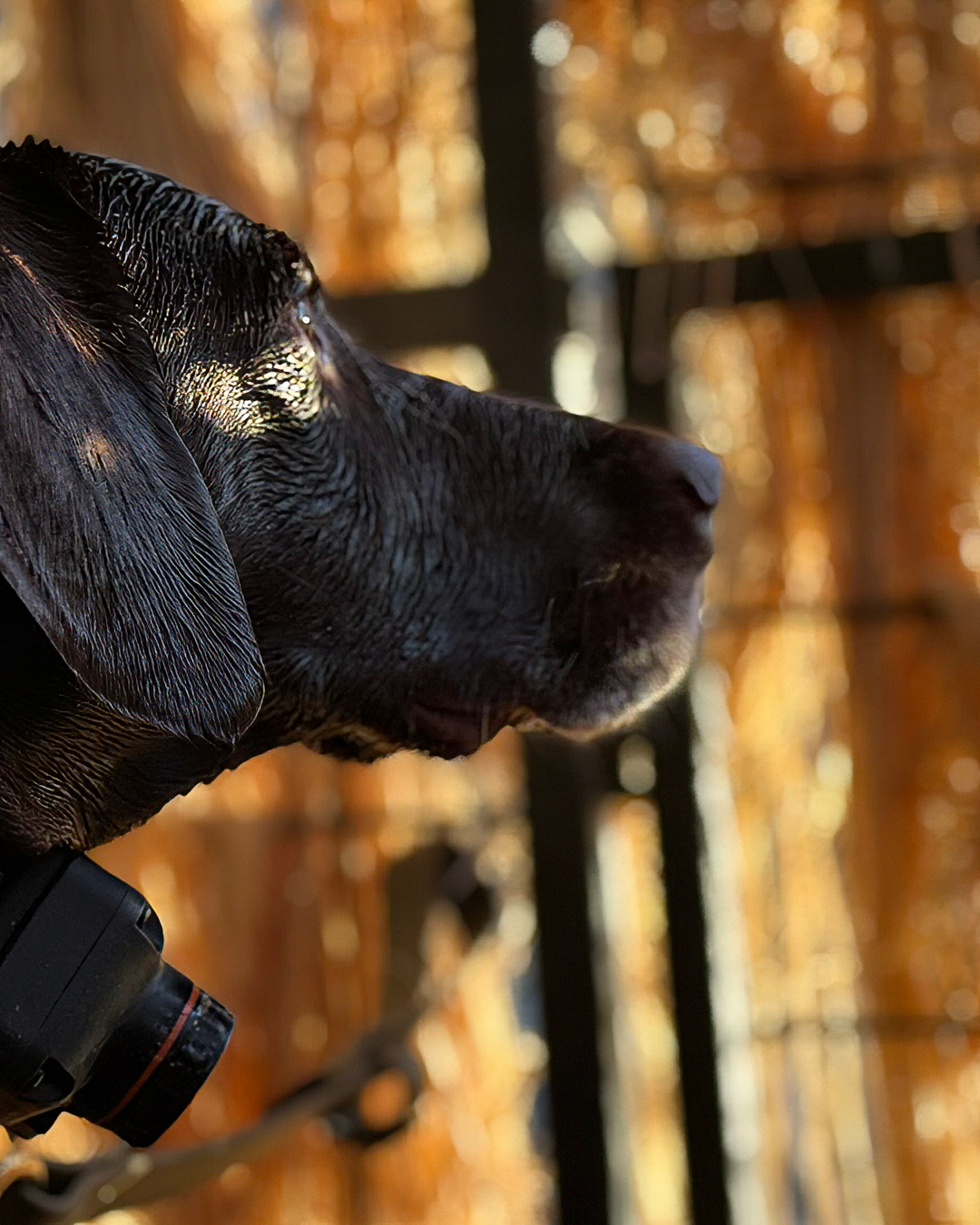
It’s the sound of wings overhead before sunrise. A covey of quail exploding from the grass. A gobbler answering from the timber. A mature whitetail stepping into a field at last light. A retriever disappearing into cold water. And a hot breakfast waiting back at camp.
Those are the moments hunters remember.
The land, habitat, blinds, lodge, equipment, food, and logistics all exist to create them.
Welcome to Shoshone Prairie Adventures
Building Shoshone Prairie Adventures has been about bringing all of those pieces together.
South-central Kansas provides the setting. The Central Flyway provides the migration. Private water and diverse habitat provide the foundation. Our job is to put it all together for hunters who want to experience Kansas hunting the way it should be.
From ducks and geese to pheasant and quail, Rio Grande turkey, and Kansas whitetails, the lodge provides a comfortable home base for hunters looking to experience multiple species throughout the year.
From the first cup of coffee before sunrise to the last story around the fire at night, we’re building more than a place to hunt.
We’re building a Kansas hunting camp.
And we look forward to welcoming you to it.