by Jay Roberts
Shoshone Adventure Consulting
The Heart of the Central Flyway
Long before the first rays of dawn illuminate a frozen marsh, before the distant murmur of wings grows into the unmistakable roar of thousands of ducks descending from the northern skies, Kansas has already begun working its magic. Hidden beneath the vast prairie horizon is one of North America’s greatest waterfowl destinations—a place where geography, agriculture, conservation, and migration converge to create unforgettable hunting experiences.
For generations, Kansas has quietly produced remarkable duck and goose hunting while often living in the shadow of more famous destinations like Arkansas, the Mississippi Flyway, or the famed prairie provinces of Canada. Yet ask seasoned waterfowl hunters where they’ve experienced their most memorable hunts, and Kansas is a name that comes up with surprising frequency.
Kansas isn’t simply a state that ducks pass through. It is one of the Central Flyway’s most important migration corridors, serving as a seasonal home for millions of waterfowl every autumn. The state encompasses an astonishing diversity of habitats—from sprawling wetlands and river bottoms to flooded agricultural fields, reservoirs, oxbows, and countless farm ponds. Each autumn these landscapes become staging areas for birds traveling from Canada’s prairie provinces, the northern Great Plains, and the Arctic tundra. That results in consistent hunting throughout the season.
The result is an opportunity unlike almost anywhere else in America. The areas around Cheynne Bottoms and Quivira are world renowned for holding waterfowl. This happens to be the area in which we focus our guiding.
Whether you’re pursuing early-season blue-winged teal over shallow marshes, watching greenheads spiral into flooded timber on a bitter December morning, or lying beneath white spreads waiting for migrating snow geese to descend, Kansas offers variety that few states can rival.
Built for Migration
Kansas owes much of its waterfowl success to one simple fact: location.
The state sits squarely within the Central Flyway, one of North America’s four primary migration corridors. Every fall, millions of ducks and geese funnel south through this aerial highway. Birds originating from Saskatchewan, Alberta, Manitoba, the Dakotas, Montana, Wyoming, and portions of the Arctic eventually find themselves crossing the Kansas horizon.
Unlike states farther south, Kansas frequently experiences multiple waves of migration throughout the season. Early September belongs largely to teal. October brings gadwalls, wigeon, shovelers, and pintails. By November, mallards begin arriving in earnest as northern temperatures drop. December and January often see fresh migrations triggered by winter storms across the northern Plains.
For hunters, this means every week can present a completely different experience. New birds continually replenish local populations, keeping hunting productive throughout much of the season.
Instead of hunting the same educated ducks for weeks, Kansas hunters often find themselves setting decoys for birds that arrived only hours before.
And late December and January can be truly spectacular with large concentrations of mallards and pintails hitting agricultural fields in daylight and pockets of open water.
FEATURED ADVENTURES
Utah – Waterfowl and Turkey Hunt
Uruguay – Duck, Dove, and Perdiz Hunt

Texas – All-Inclusive Waterfowl Hunt near Cisco
South Dakota and Nebraska – Pheasant Hunting Adventure

Northern Saskatchewan – Black Bear/Water Fowl Hunt
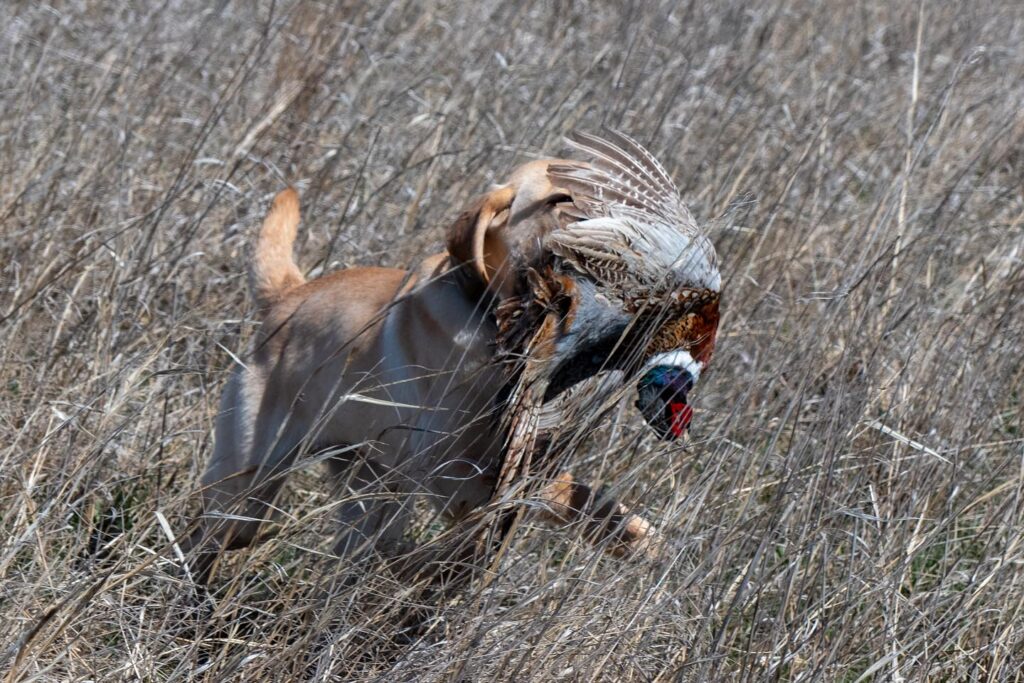
Nebraska – Upland, Turkey, Dove, Prairie Dog and Waterfowl Hunts
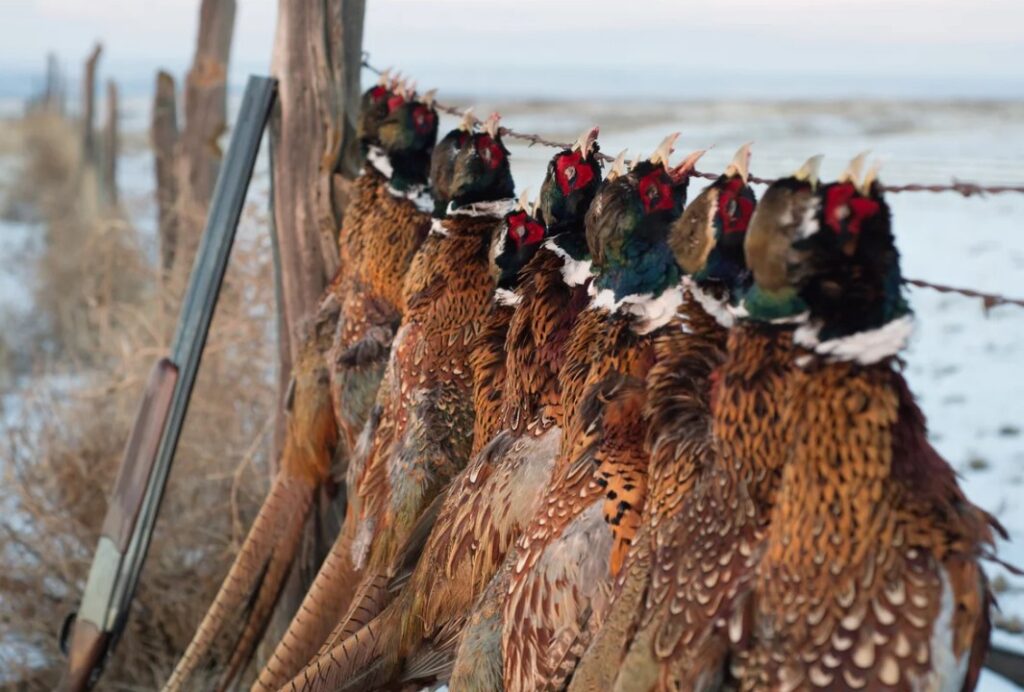
Montana – Sharp-tailed Grouse, Pheasant, Hungarian Partridge and Waterfowl Hunting

Mexico – Scaled Quail, Dove, and Waterfowl

Mexico – Quail, Duck, & Dove Hunt in Tamaulipas
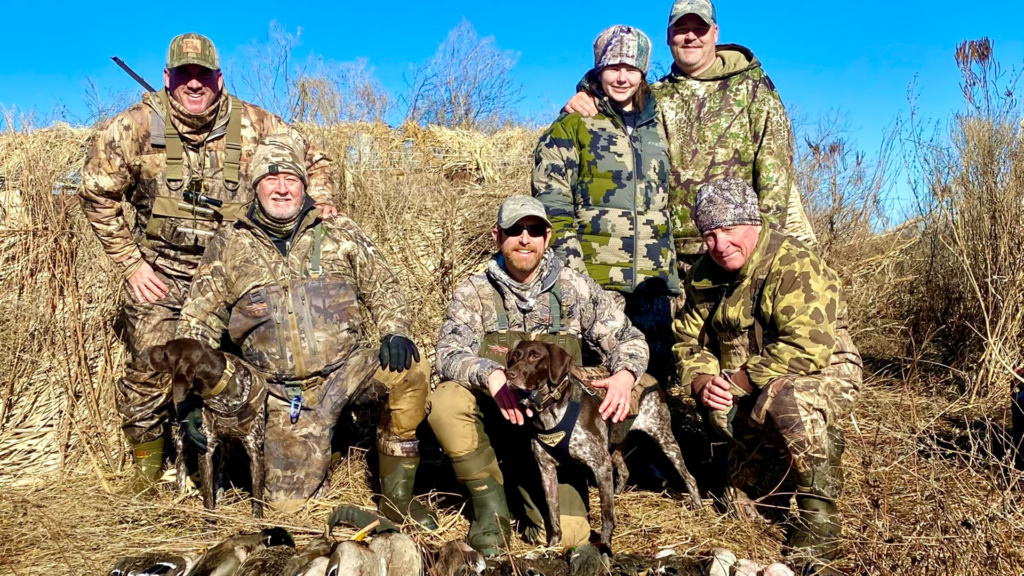
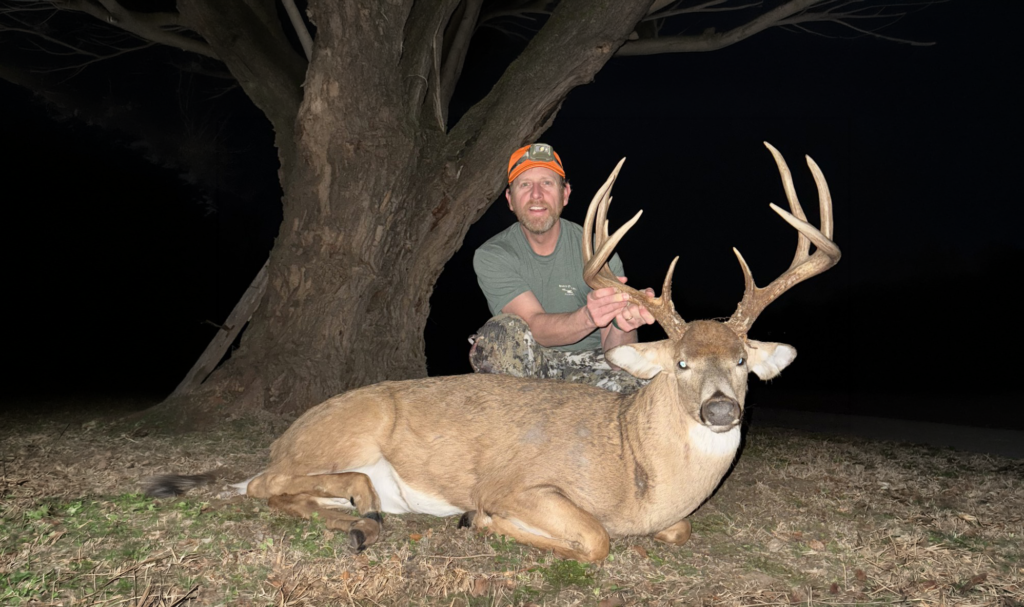
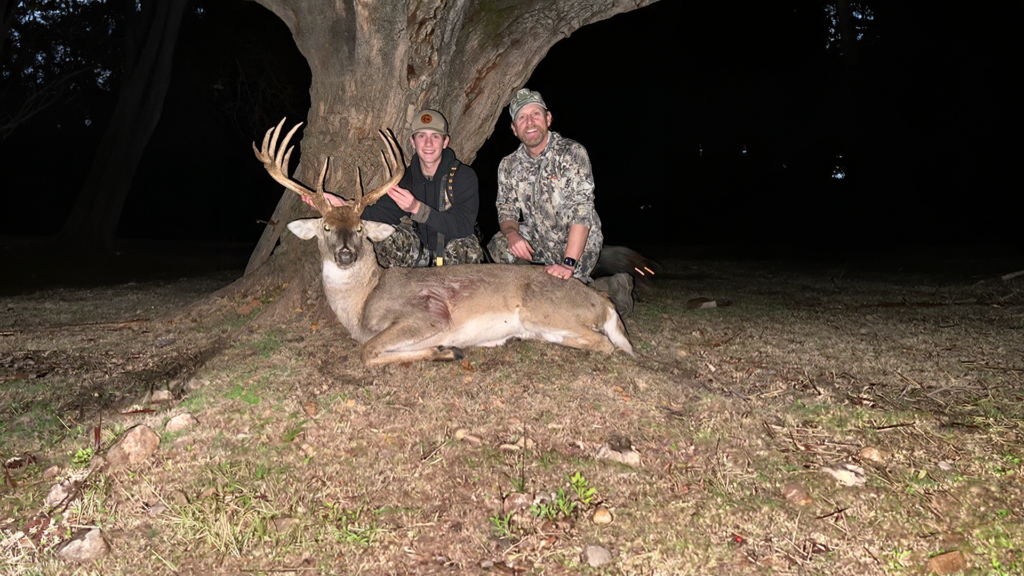
Kansas Whitetail, Waterfowl, & Upland Hunting – Shoshone Prairie Adventures
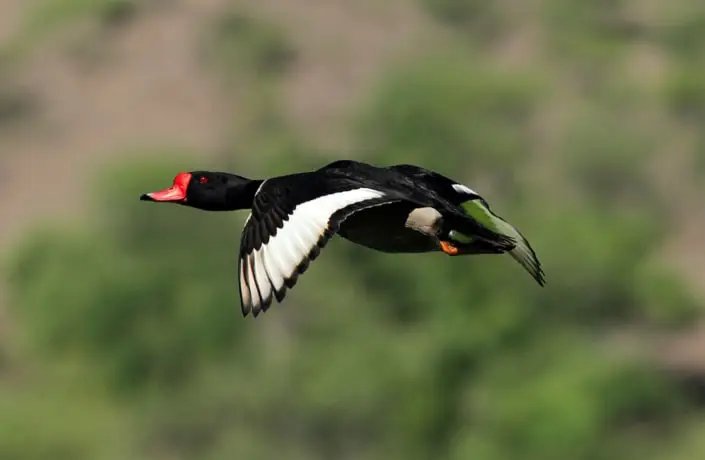
Argentina – World Class Duck Hunt


A Landscape of Contrasts
One of Kansas’ greatest strengths lies in its diversity.
Contrary to the perception of endless flat farmland, Kansas is a mosaic of ecosystems perfectly suited to waterfowl.
Western Kansas features playas—shallow natural wetlands that collect precious rainfall and become magnets for migrating ducks. Central Kansas contains vast marsh complexes, river valleys, reservoirs, and agricultural fields. Eastern Kansas offers timbered river systems, oxbows, reservoirs, and countless small wetlands surrounded by productive grain fields.
Few states combine so many habitat types within a day’s drive.
This diversity also allows hunters to adapt quickly to changing weather conditions.
During dry years, reservoirs and managed wetlands may concentrate birds. In wet years, temporary sheet water across harvested corn and soybean fields can create phenomenal feeding opportunities. Cold weather pushes mallards toward moving rivers and spring-fed marshes, while warm periods often keep birds utilizing shallow wetlands.
Experienced Kansas hunters know success often belongs to those willing to move with changing conditions rather than relying on a single location.
Agriculture: An Unsung Hero
It’s impossible to discuss Kansas waterfowl without mentioning agriculture.
Kansas farmers produce millions of acres of corn, grain sorghum (milo), soybeans, wheat, and other crops that provide abundant food resources for migrating birds. After harvest, waste grain scattered across fields becomes critical fuel for ducks and geese preparing for the next leg of migration.
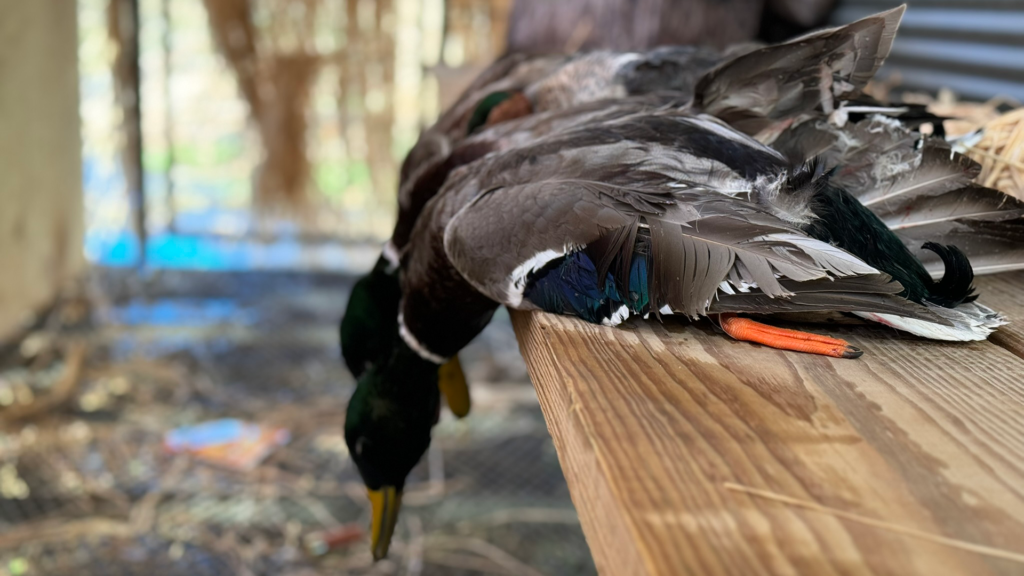
Mallards loaf on nearby wetlands before making evening flights into harvested corn.
Canada geese travel miles each morning between reservoirs and grain fields.
White-fronted geese gather by the thousands in winter wheat.
Snow geese blanket harvested fields as far as the eye can see.
The close relationship between wetlands and agriculture creates one of the most productive migration landscapes on the continent. Water provides security and rest. Crops provide calories. Together they create ideal stopover habitat.
This balance explains why Kansas consistently attracts impressive concentrations of waterfowl despite receiving far less national attention than many neighboring states.
More Than Just Ducks
While Kansas has earned a reputation for outstanding duck hunting, goose hunters know the state’s true potential.
Resident giant Canada geese provide excellent early-season action before northern migrants begin arriving. As winter advances, the state becomes a crossroads for lesser Canada geese, greater white-fronted geese, Ross’s geese, and immense flocks of snow geese.
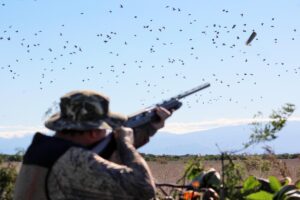
On the right day, hunters may witness skies filled with tens of thousands of birds trading between feeding fields and resting waters.
Late winter conservation-order snow goose hunting has become particularly popular, attracting hunters from across the country hoping to experience the spectacle of massive migrations.
The sheer volume of birds moving through Kansas each year is enough to humble even the most experienced waterfowler.
The Kansas Difference
Perhaps what separates Kansas most isn’t simply the number of birds—it is the experience.
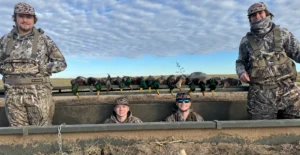
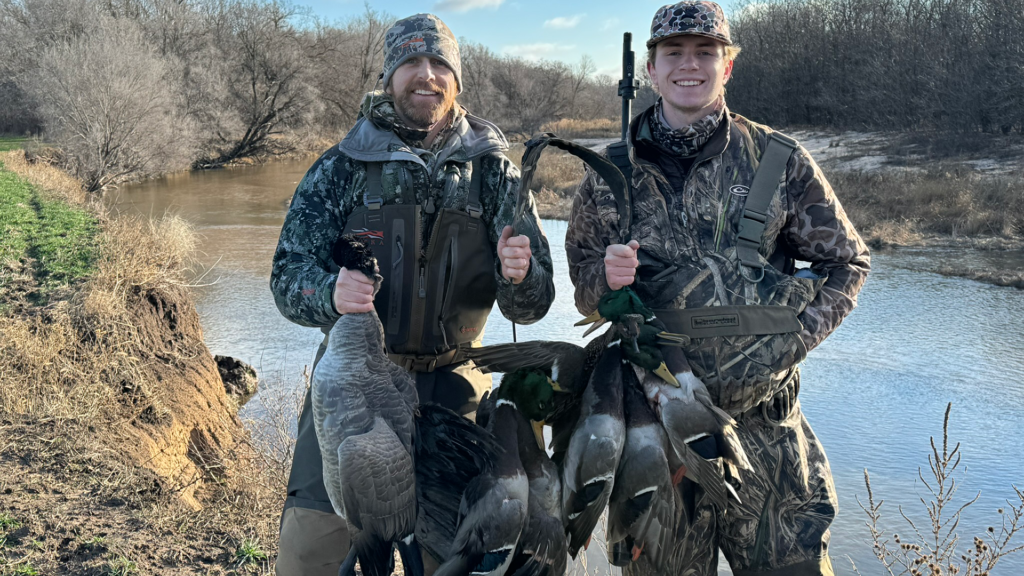
Here, hunters often find room to spread out. While the word is out on Kansas, the hunting pressure is still relatively low by comparison to other states. Rather than mucking through marsh and swamps, our hunting occurs in small ponds and impoundments or dry fields. Travel between hunting areas is relatively easy, and communities across rural Kansas have welcomed hunters for generations.
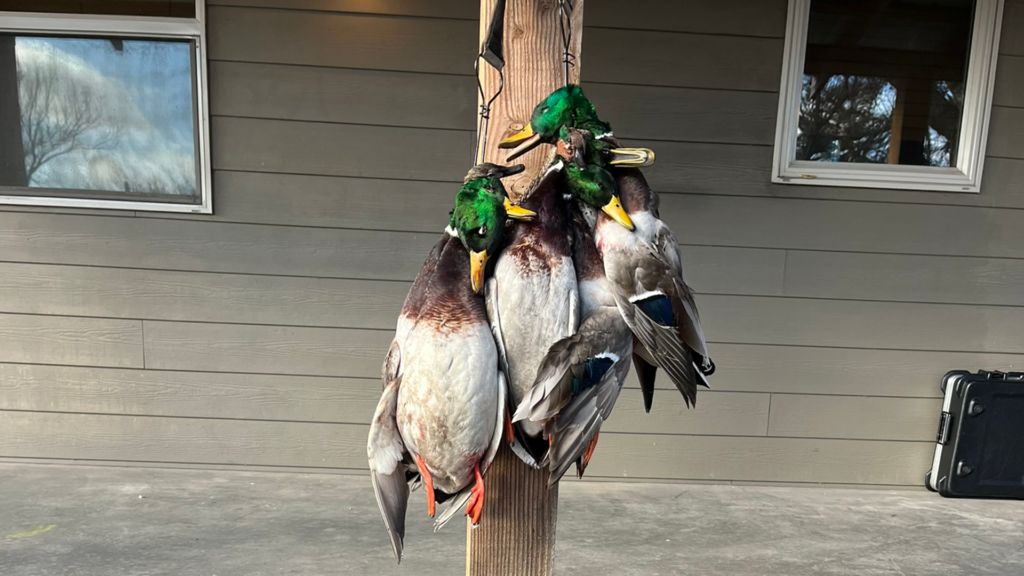
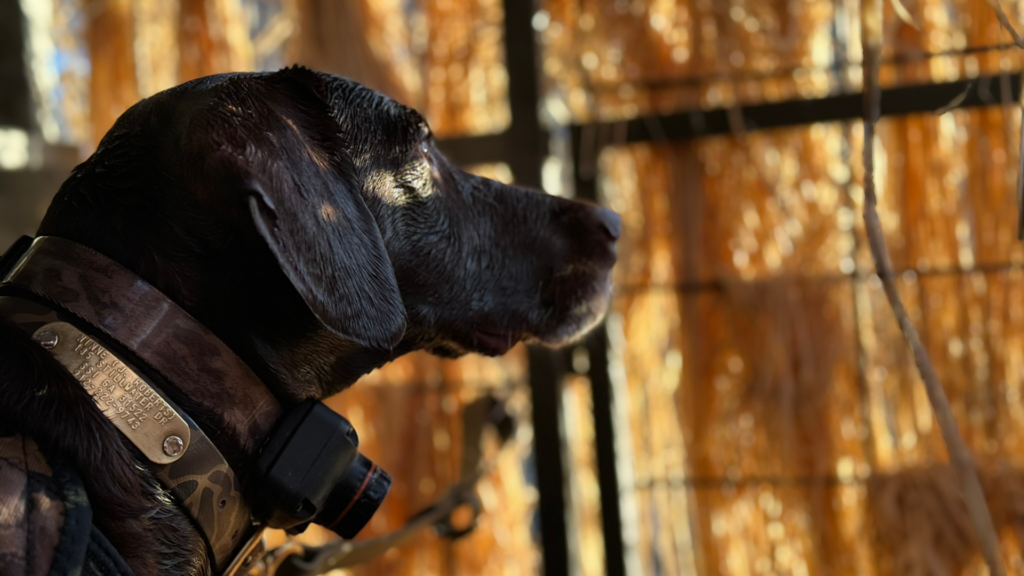
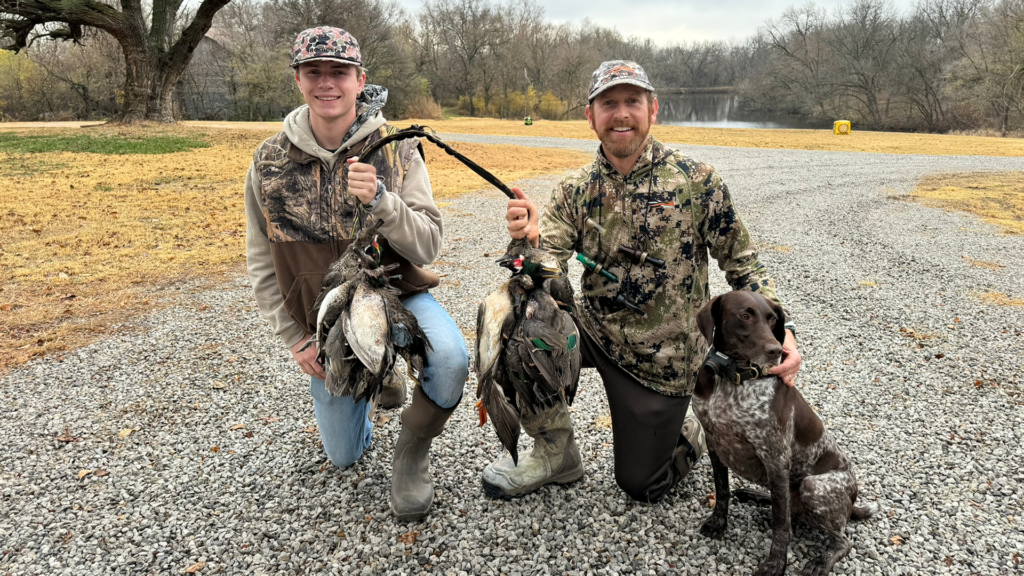
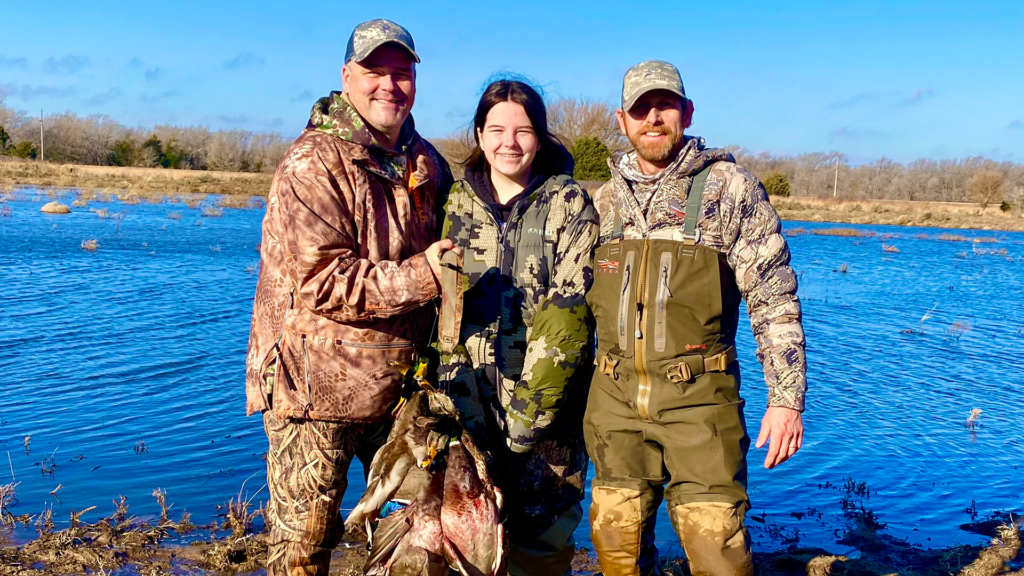
A sunrise over a frozen prairie marsh carries a different kind of solitude.
The wind whistles through native grasses.
Mallards chatter overhead before daylight.
The first flock appears as silhouettes against a crimson horizon.
For a few moments, the rest of the world disappears.
That combination of abundant birds, diverse habitat, reasonable access, and authentic Midwestern hospitality is what keeps hunters returning year after year.
Kansas doesn’t need flashy marketing campaigns or famous flooded timber to prove its worth.
Its reputation has always been earned one unforgettable hunt at a time.
And for those willing to discover what lies between the horizons, Kansas may very well become their favorite place to chase the migration.
Like it or not, Mallards and a lot of other ducks just don’t make it down to the deep south. Come hunt them where they are!