3 Main Factors That Impact Meat Quality >>>
1. Quality of Shot
The quality of your shot directly affects meat flavor and tenderness. Ideally, shots to the vitals—heart and lungs—bring the animal down quickly while minimizing damaged meat. Shots that wound the animal for prolonged periods increase adrenaline in the muscles, depleting glycogen, reducing lactic acid, and causing tougher, higher-pH meat that can spoil faster. Gut shots or multiple shots can contaminate meat with stomach contents. While field conditions don’t always allow perfect shots, hunters should strive for ethical, high-percentage shots to protect meat quality.
2. Timing of Dressing and Cleaning
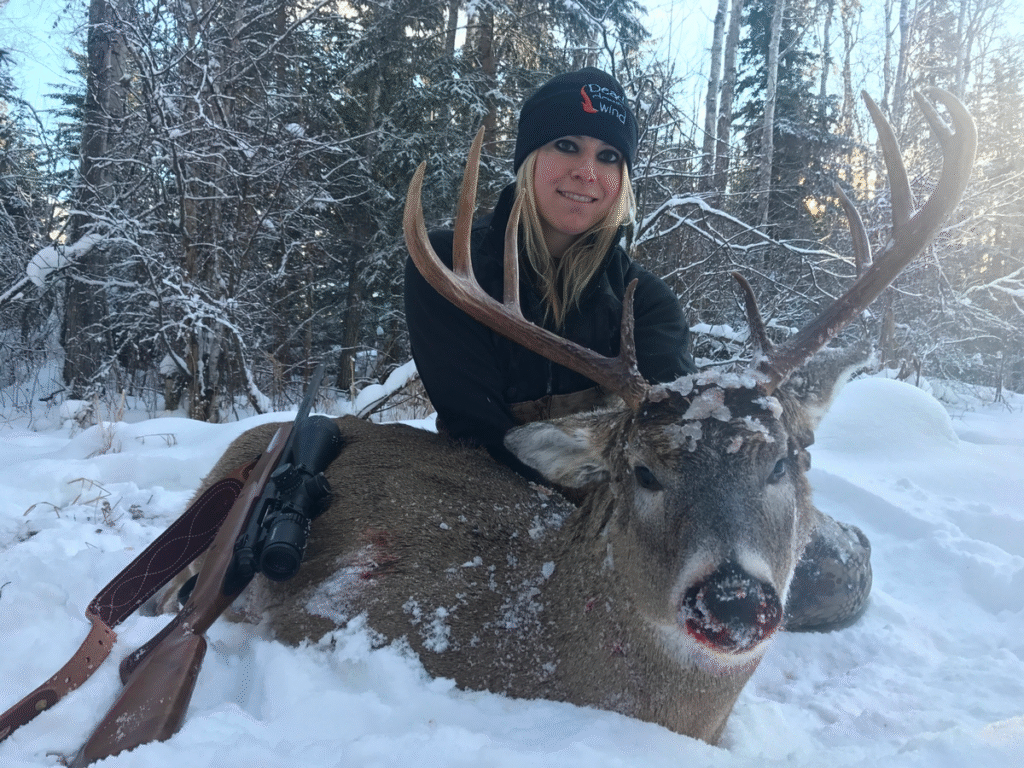
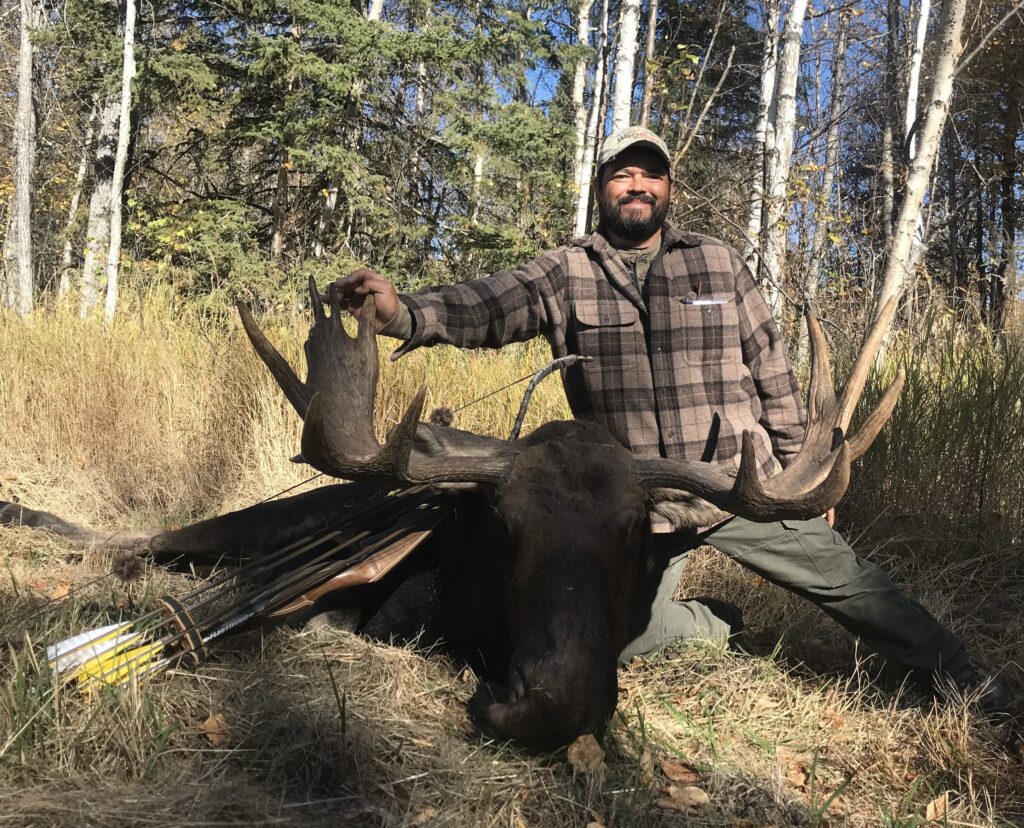
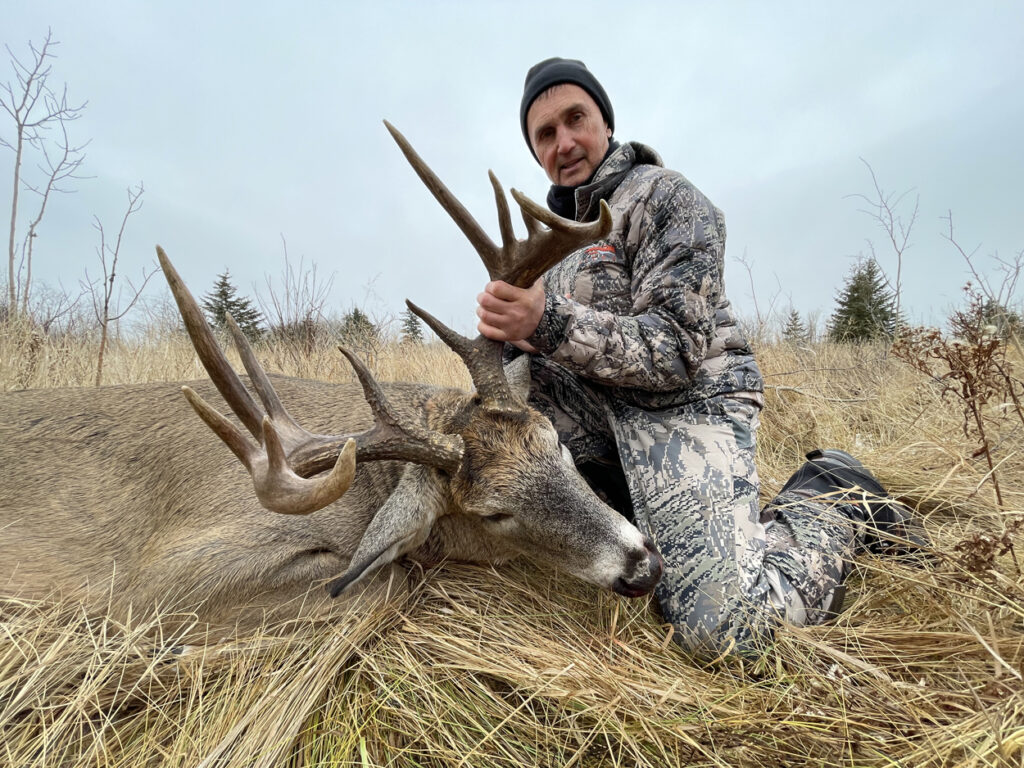
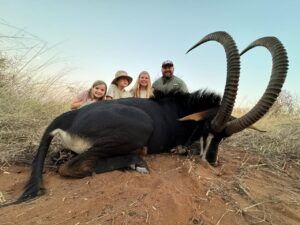
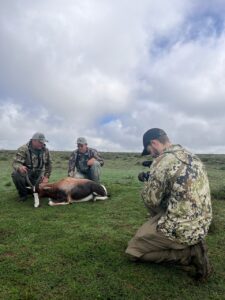
The first moments after a harvest are for reflection and photos—but field dressing should follow immediately. Prompt removal of entrails reduces bacterial growth and allows the carcass to cool quickly, preserving flavor and tenderness. Some hunters age whole carcasses; others debone in the field. Either method works if the animal is cleaned quickly. Delays—like leaving a carcass in a truck for hours—are equivalent to leaving a steak in the sun, degrading quality.
Tip: Hanging an animal is effective for aging if temperatures remain below 40°F; 34–37°F is ideal.
3. Cooking Preparation
Many dislike wild game not due to the meat itself, but from cooking errors. Unlike beef or pork, wild game is extremely lean; overcooking venison, elk, or wild fowl makes meat tough and dry. Proper research on preparation, cooking temperature, and timing is essential. Even basic knowledge can transform wild game into a delicious meal.
Transporting Game Out of the Field >>>
Plan Ahead
- Know the expected meat yield from your hunt to pack appropriately.
- Understand whether you’ll need to debone or quarter the carcass for weight and space management.
Talk with Your Outfitter
Different outfitters handle post-harvest processing differently. Confirm whether your animal will be deboned, quartered, or left whole, and ask for gear recommendations before your hunt.
Cooler Options
- High-end coolers like Yeti are durable but heavy and costly for travel.
- Cost-effective options: disposable wax boxes, soft bags, or storage totes, lined with heavy-duty bags to prevent leaks.
Temperature Control
Ideally, freeze meat before travel. If not, maintain it below 40°F. Use reusable ice packs, frozen water bottles, or wet ice carefully. Fill coolers fully to minimize air space and prevent shifting.
Securing Your Meat
Lock coolers in truck beds or secure with duct tape and TSA-approved locks for air travel. Properly secured containers prevent theft, leaks, and contamination.
Final Thoughts
Bringing your game meat home in the best condition requires preparation and attention to detail. Careful field dressing, proper packing, temperature management, and cooking make all the difference in flavor and tenderness. Beyond preserving your meal, these steps honor the animal and the hunt itself. With the right planning, hunters can focus on enjoying the field experience while ensuring safe, high-quality meat reaches the table.