Growing Up in Alaska: A Life Shaped by the Outdoors
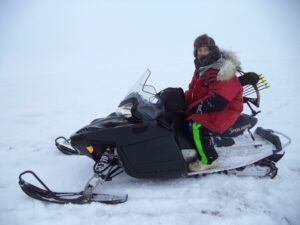
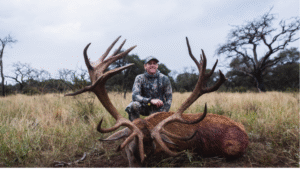
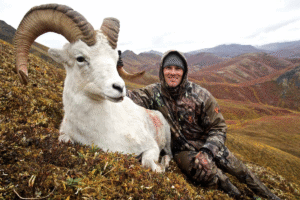
Growing up in Alaska, hunting was more than a pastime—it was a way of life. I spent my youth chasing moose, caribou, bears, and later musk ox and mountain goats across the vast wilderness of The Last Frontier. The thrill of the hunt, the patience required, and the connection to the land shaped who I am today.
However, despite my love for hunting, there was one pursuit I never explored—waterfowl. Looking back, I’m not sure why I never hunted ducks or geese. Perhaps waterfowl hunting isn’t as popular in Alaska as it is in the lower 48. Or maybe the seasons overlapped with moose and caribou hunts, and my focus was always on big game. Either way, waterfowl remained an unknown world to me.
The Invitation That Changed Everything
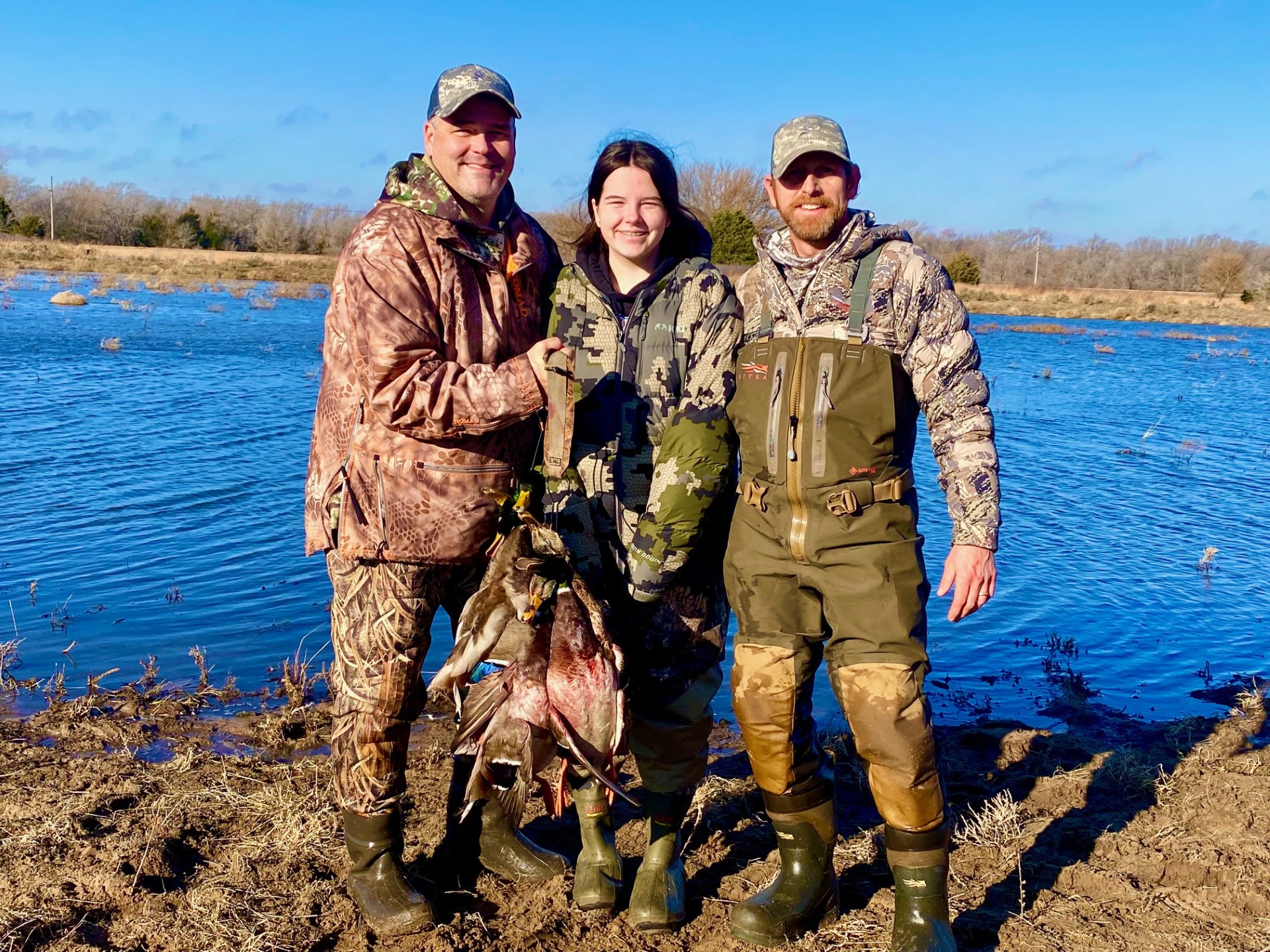
Everything changed when I joined Shoshone Adventure Consulting. The company’s owners, Jay and Jonathan Roberts, are avid waterfowl hunters. Their enthusiasm was contagious. They invited me to their ranch in Kansas for my first duck hunt—and that trip changed everything.
From the moment I stepped into the duck blind, I realized how much I didn’t know. Waterfowl hunting wasn’t just about sitting by a pond. Instead, it was a complex, strategic game. The preparation and thought that went into each hunt amazed me.
The Art and Strategy of Waterfowl Hunting
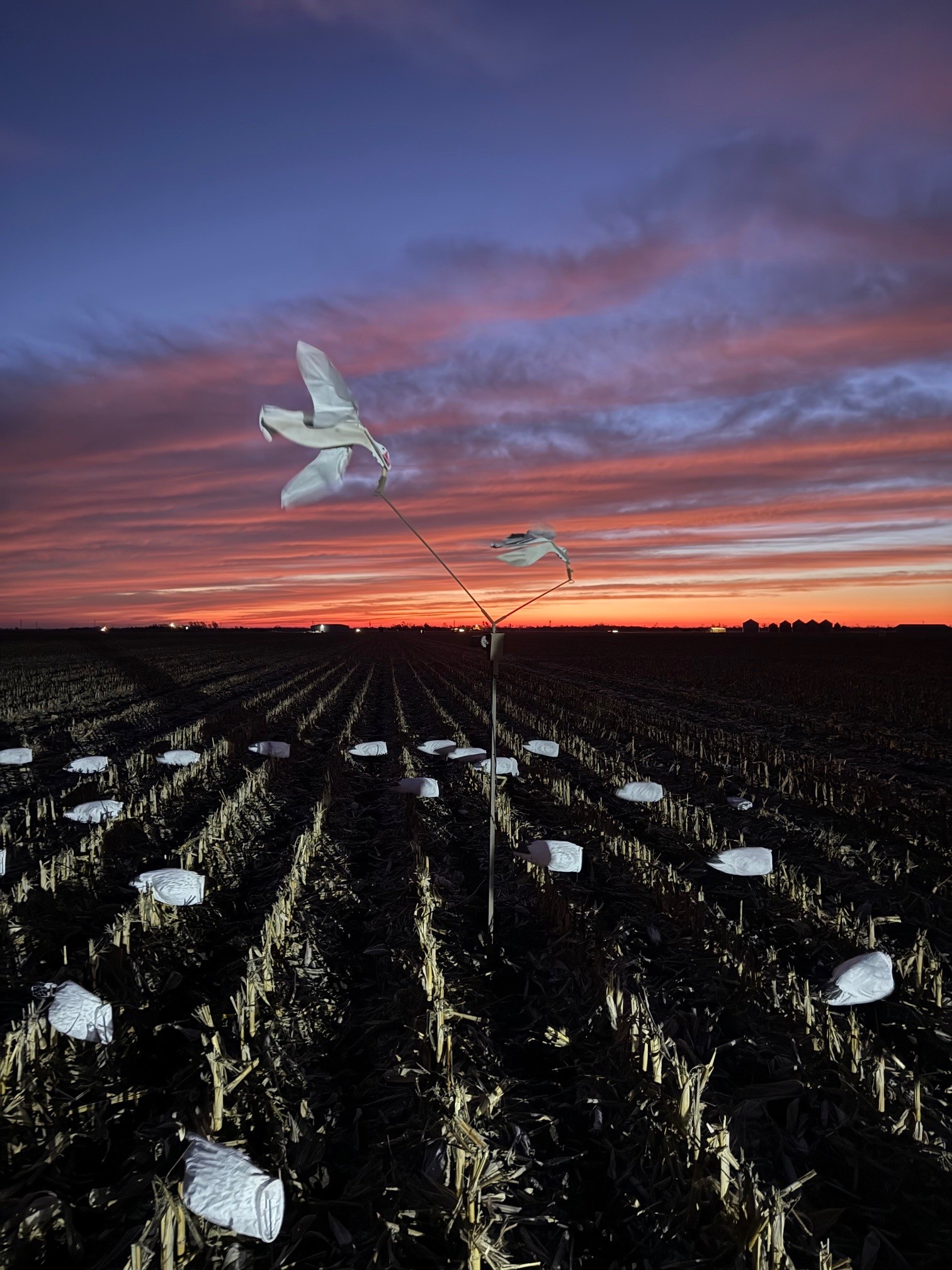
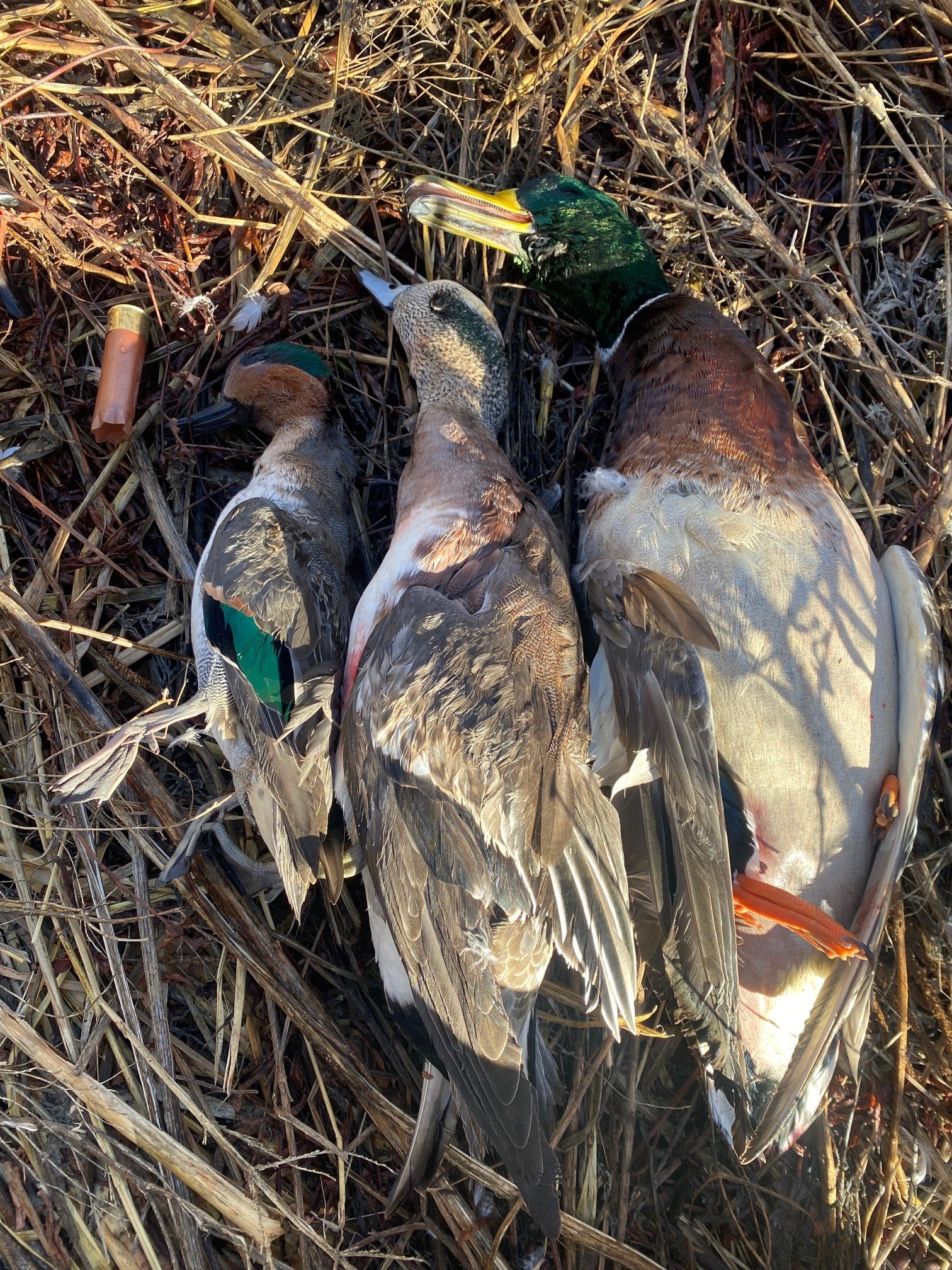
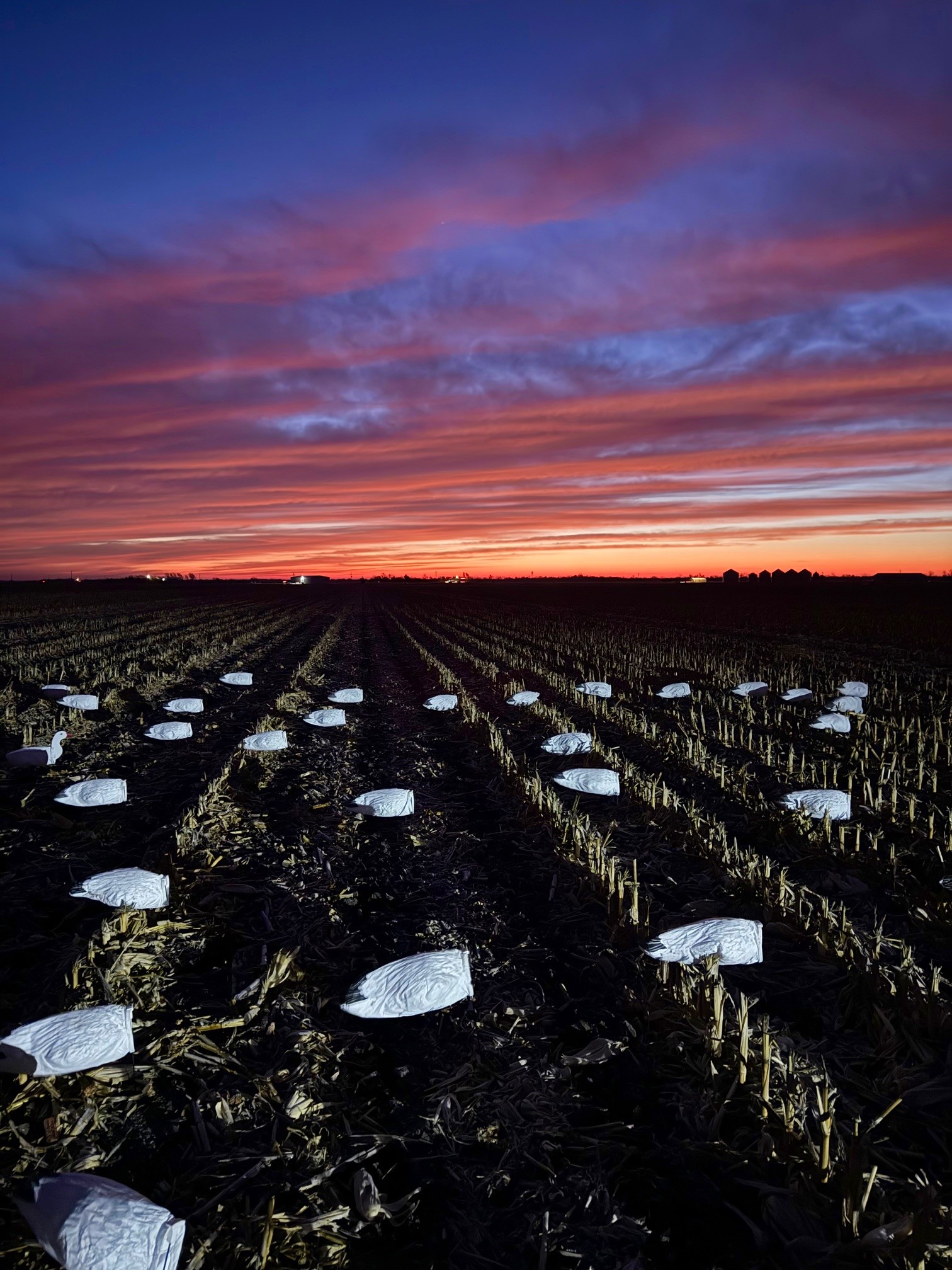
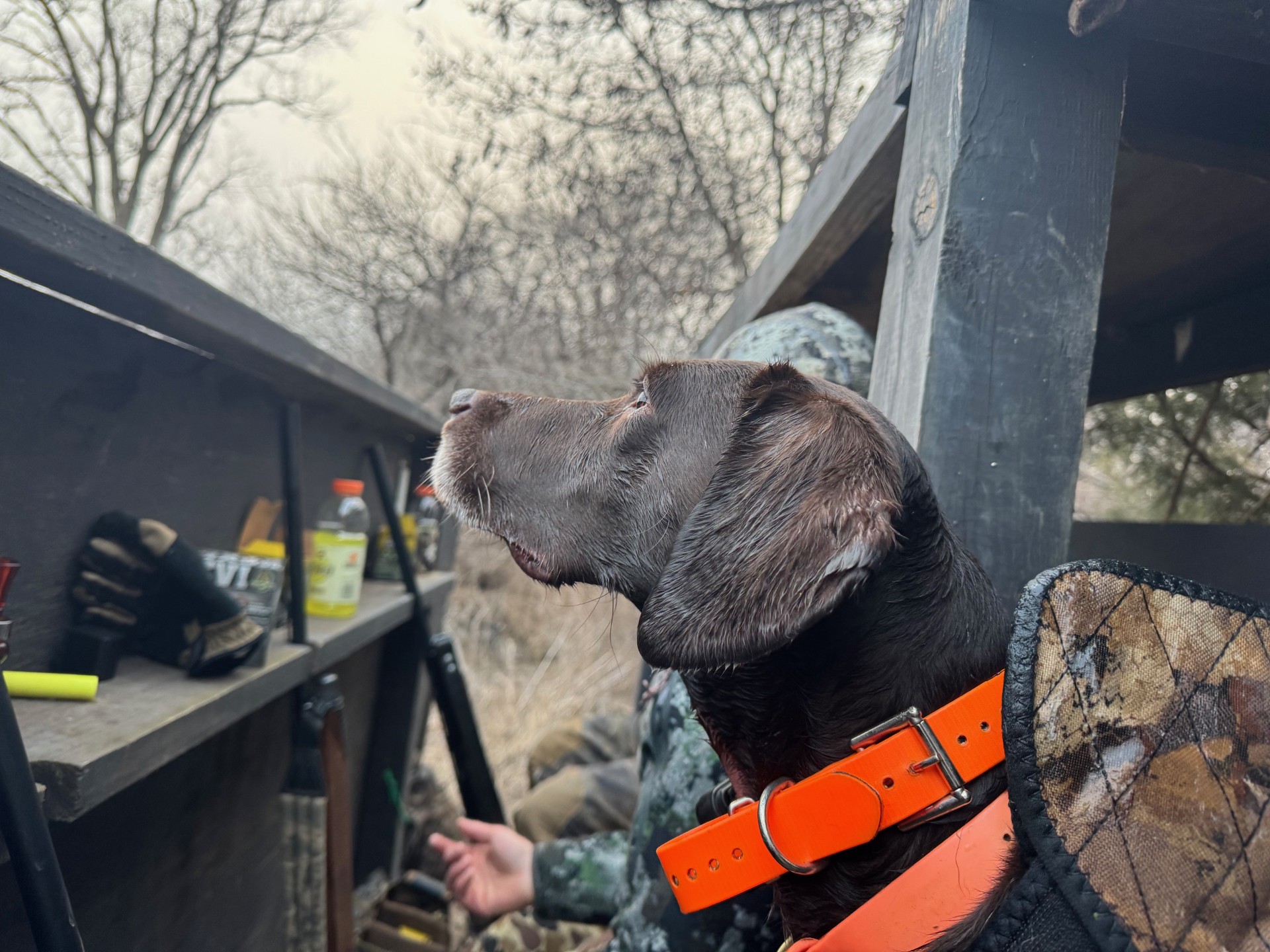
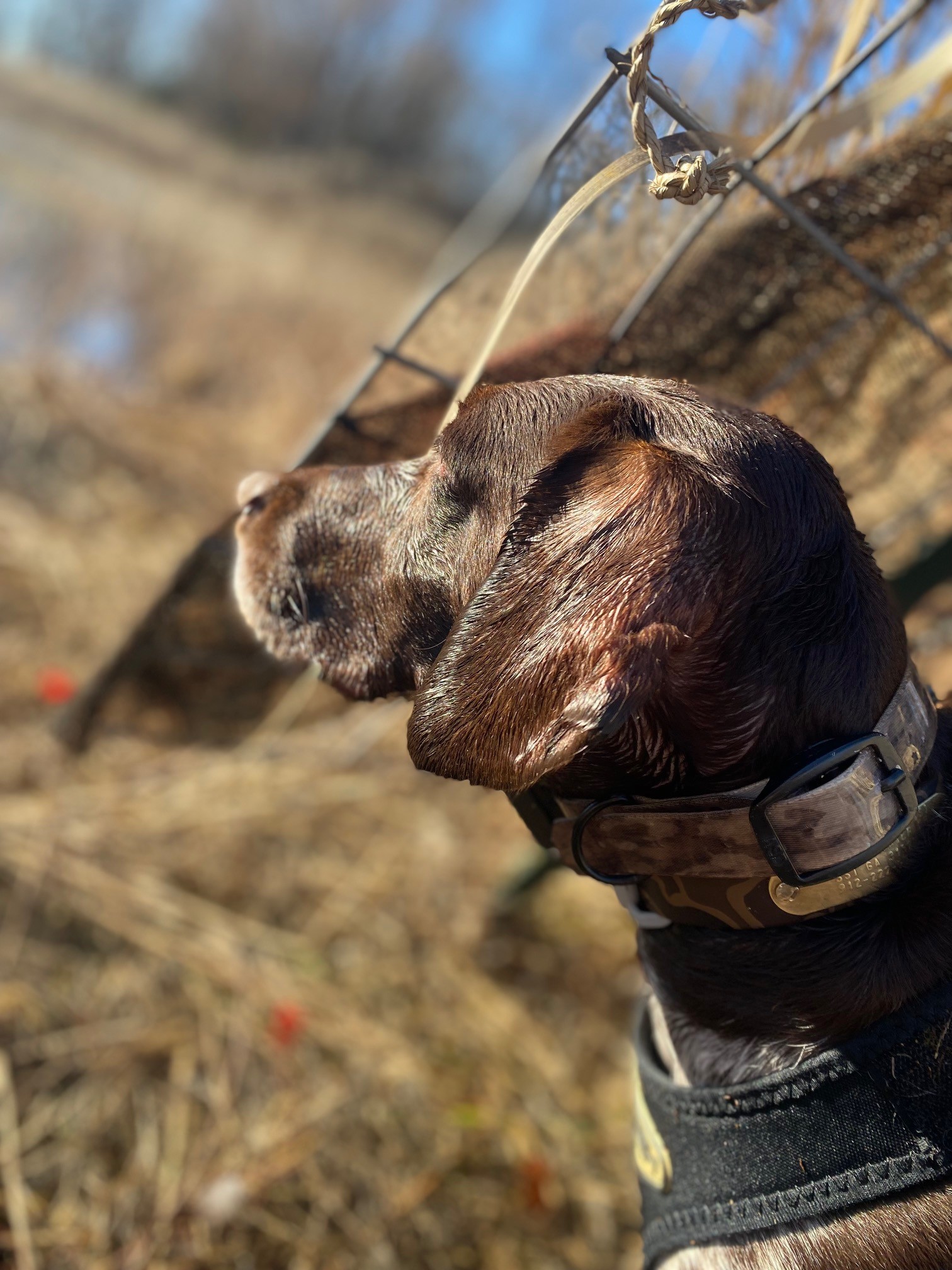
Setting up decoys, mastering duck and goose calls, considering blind placement and wind direction, and working with retriever dogs—all elements played a crucial role. The first time I watched ducks circle, commit, and land in our decoys, I felt an unexpected rush.
This excitement was different from big-game hunting—faster, more social, and action-packed.
Sharing the Hunt With My Kids
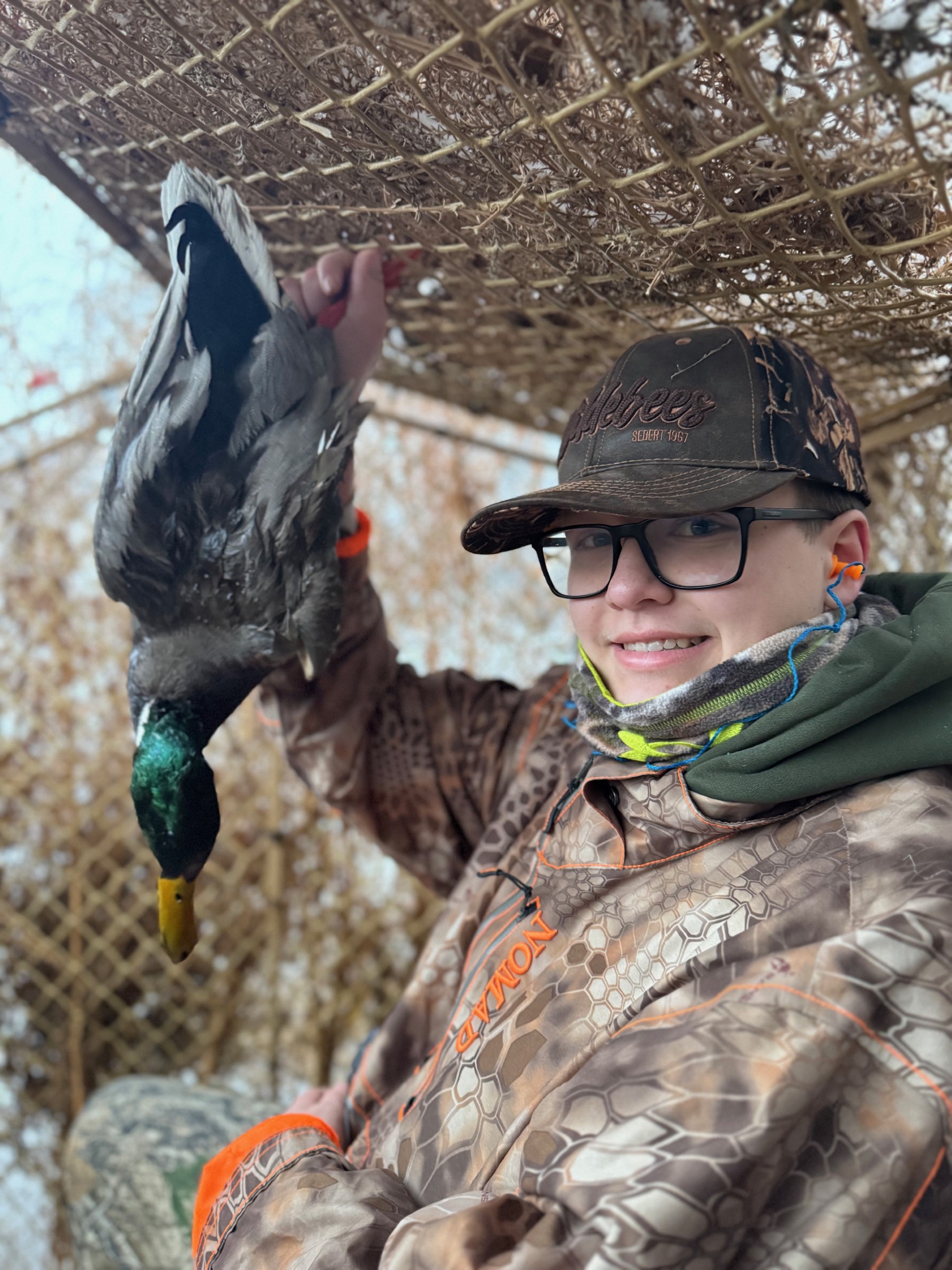
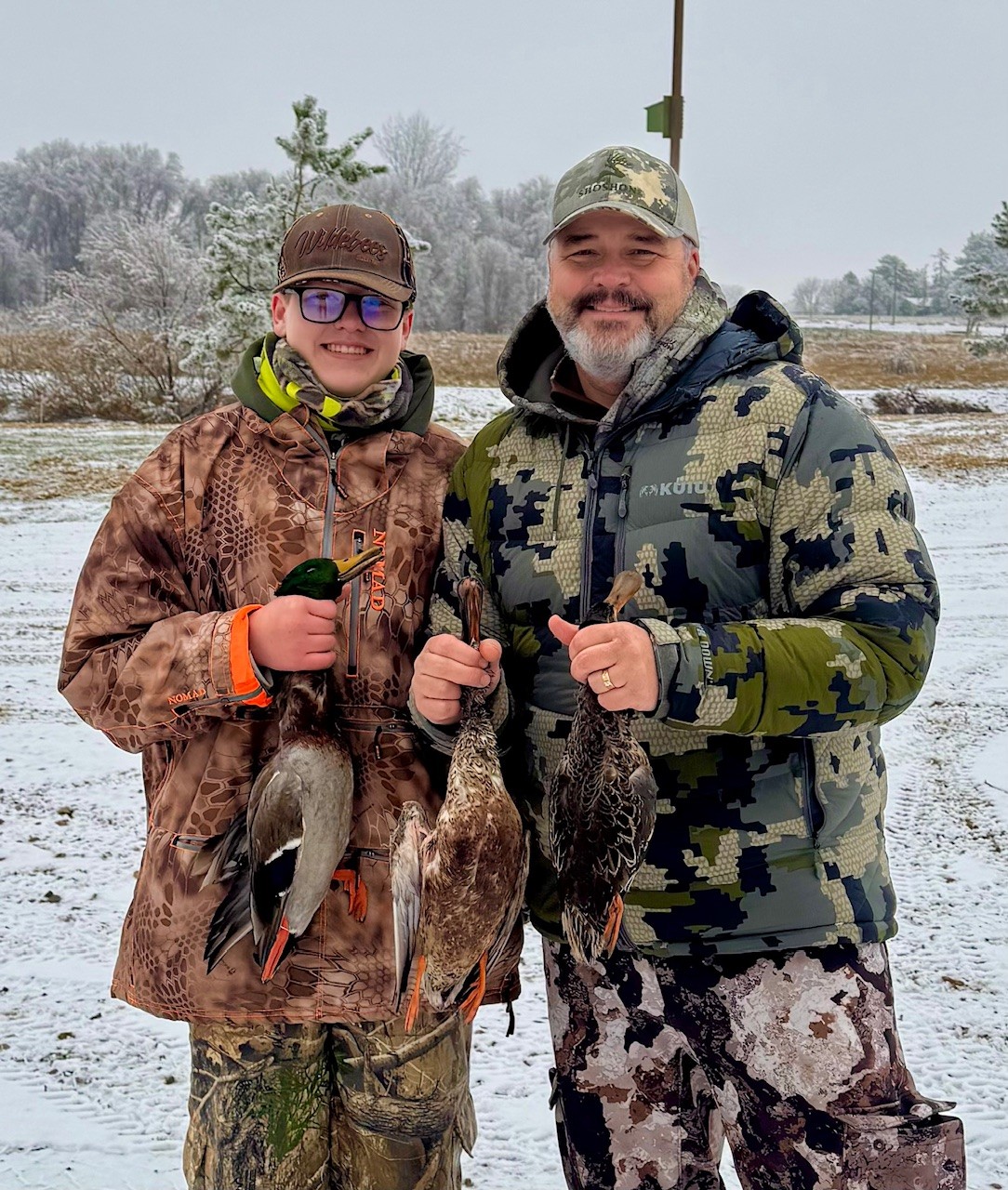
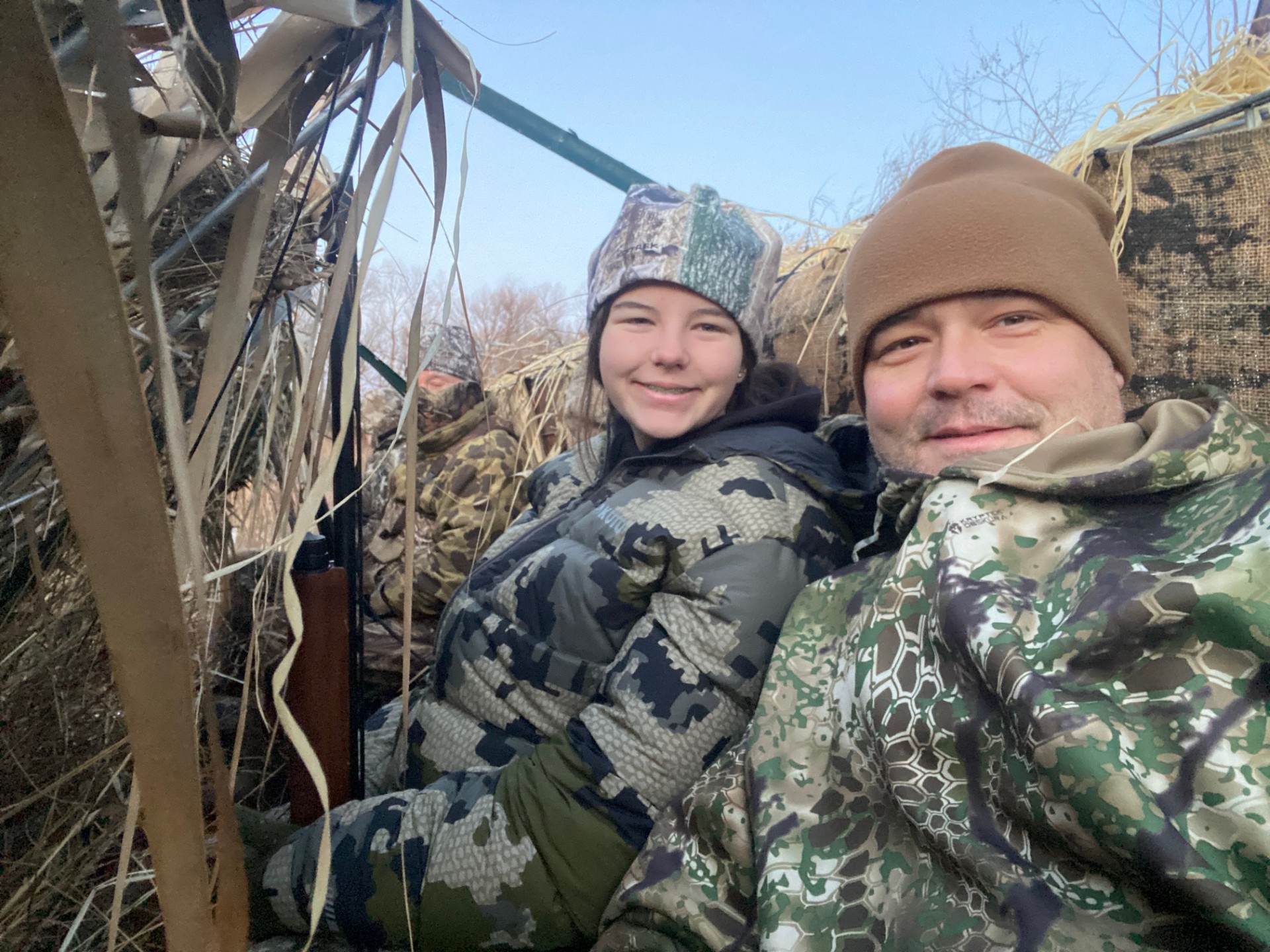
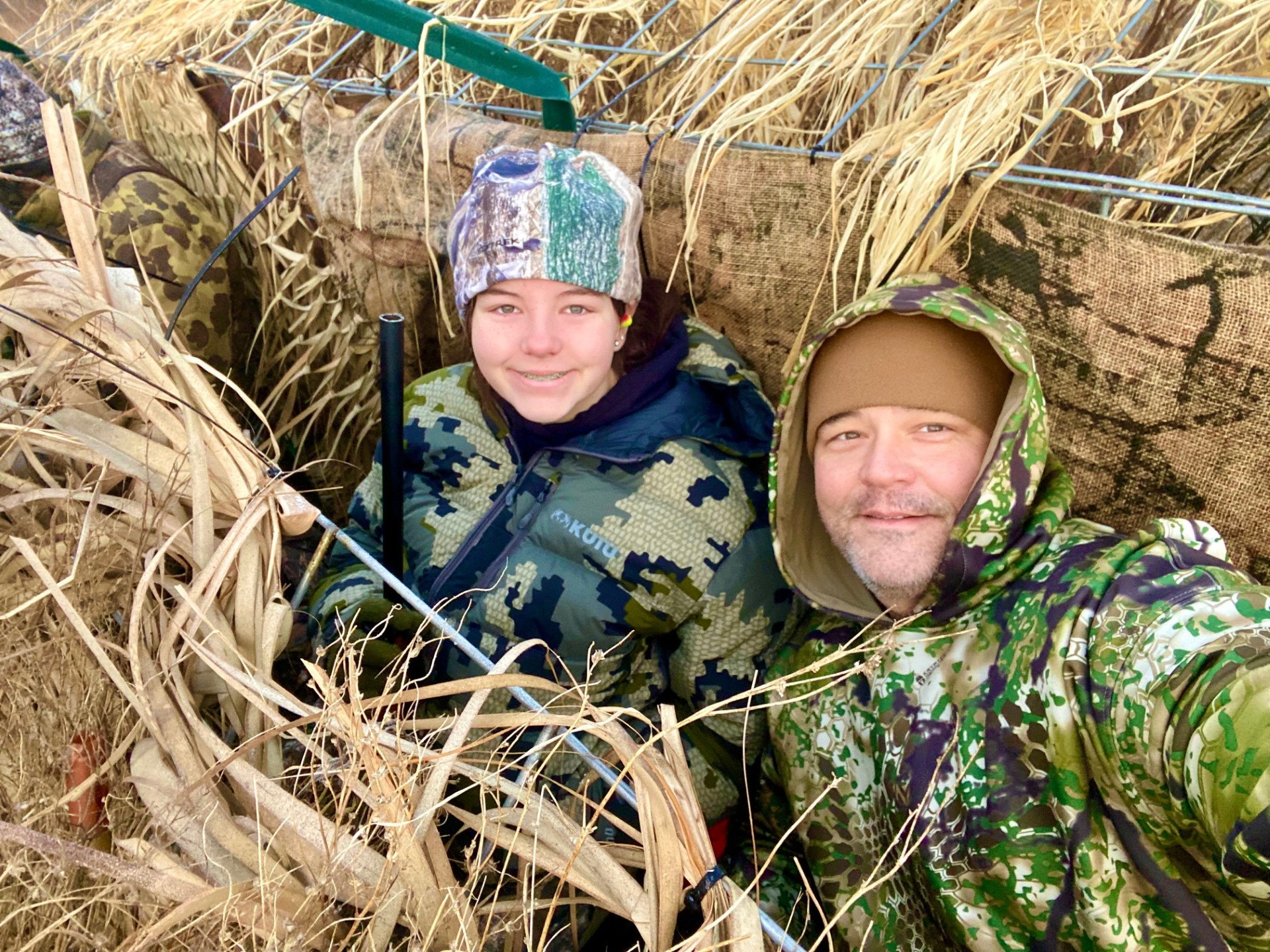
What surprised me most was how much my kids enjoyed it. My son, Asher, and my daughter, Taylor, took to waterfowl hunting quickly. Unlike big-game hunting, which requires silence and stillness, waterfowl hunting allows conversation, laughter, and even snacking in the blind. It was the perfect way to introduce them to the outdoors.
Firsts We’ll Never Forget
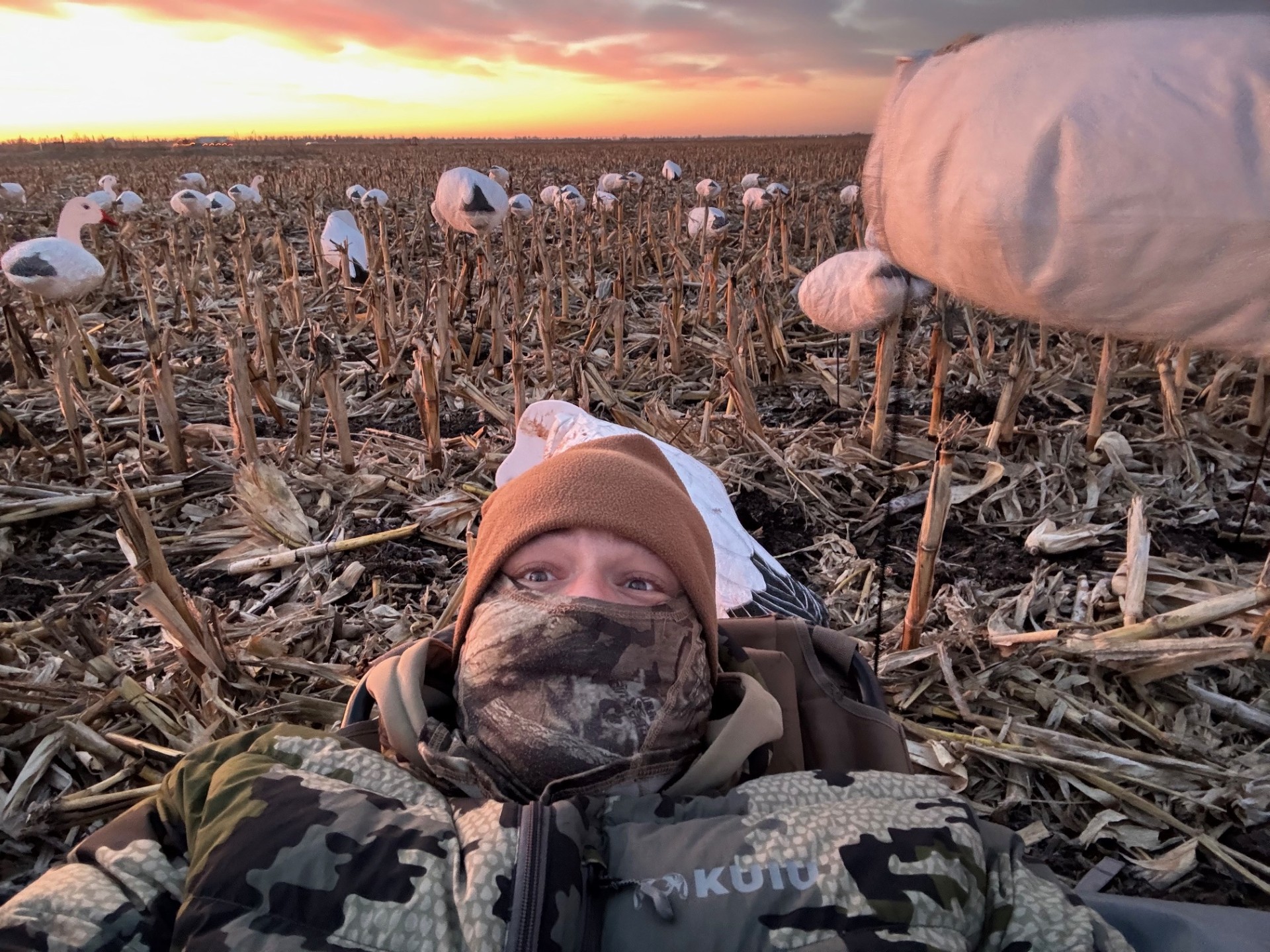
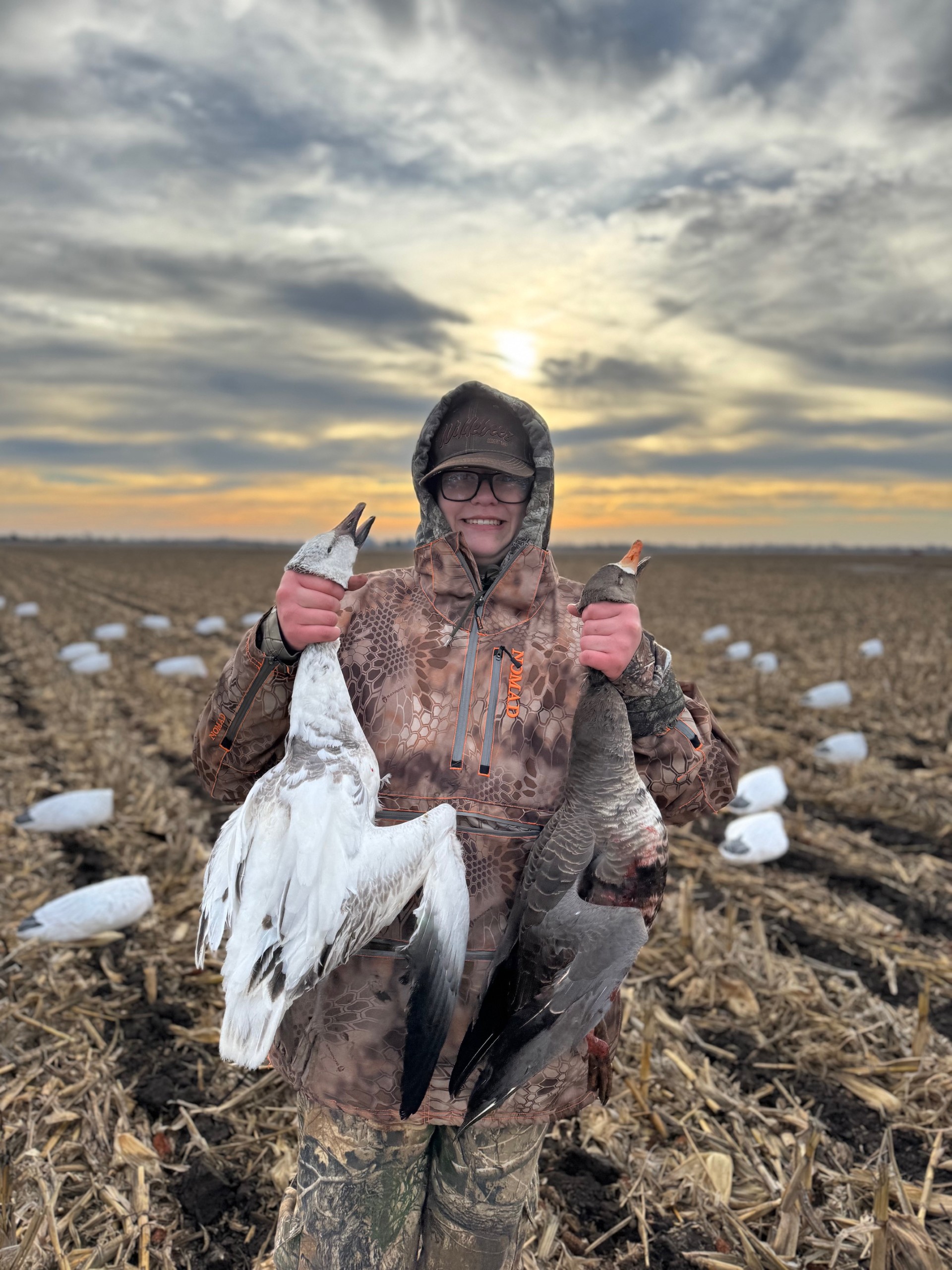
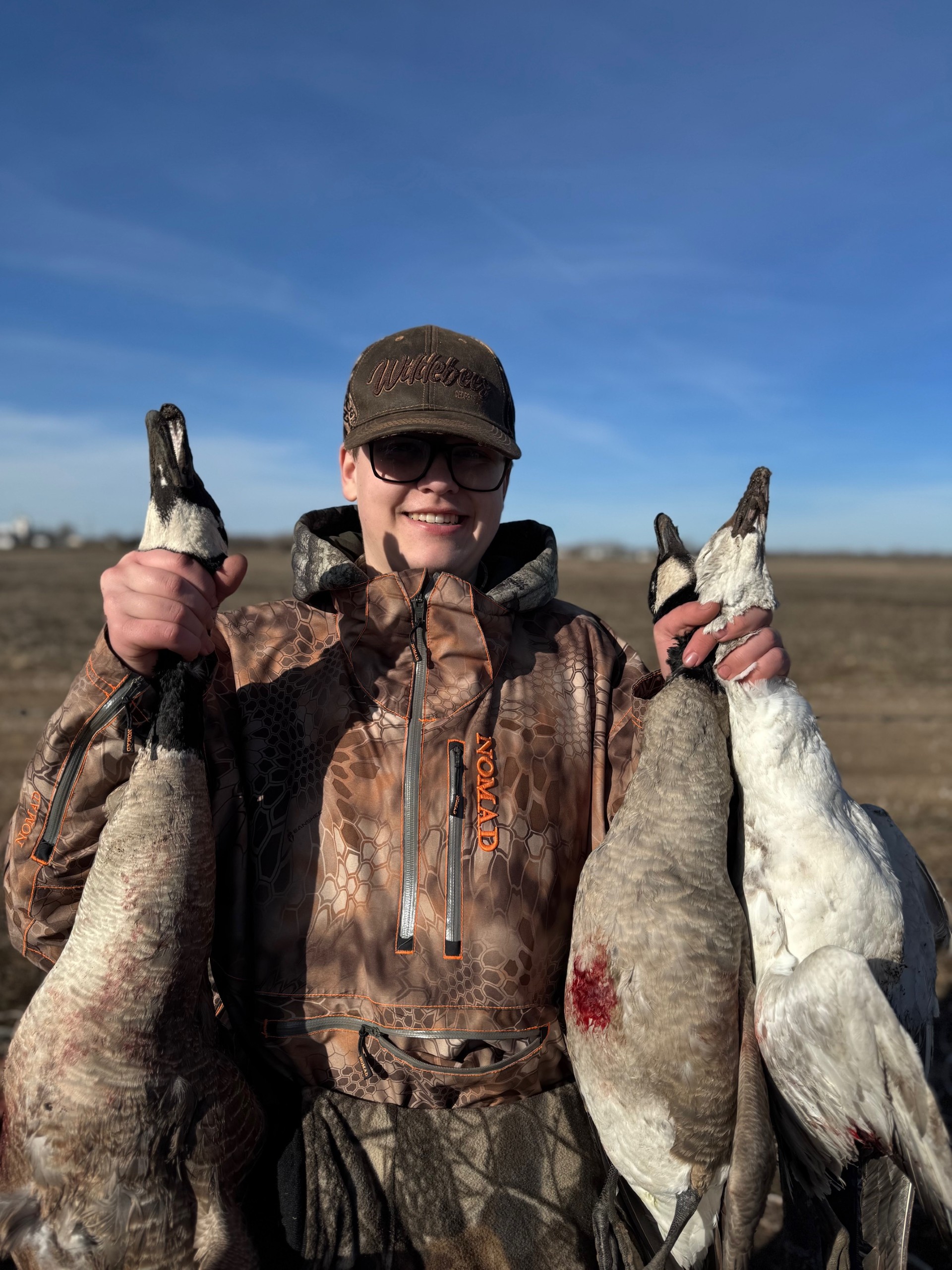
Every hunter remembers their firsts. My first goose stands out because I shot it with Asher by my side on a hunt in Alberta with Jay. It was a crisp morning, and as the geese poured in, I felt the same anticipation I felt on big-game hunts. When I took the shot, Asher and I celebrated together—a memory I’ll cherish forever.
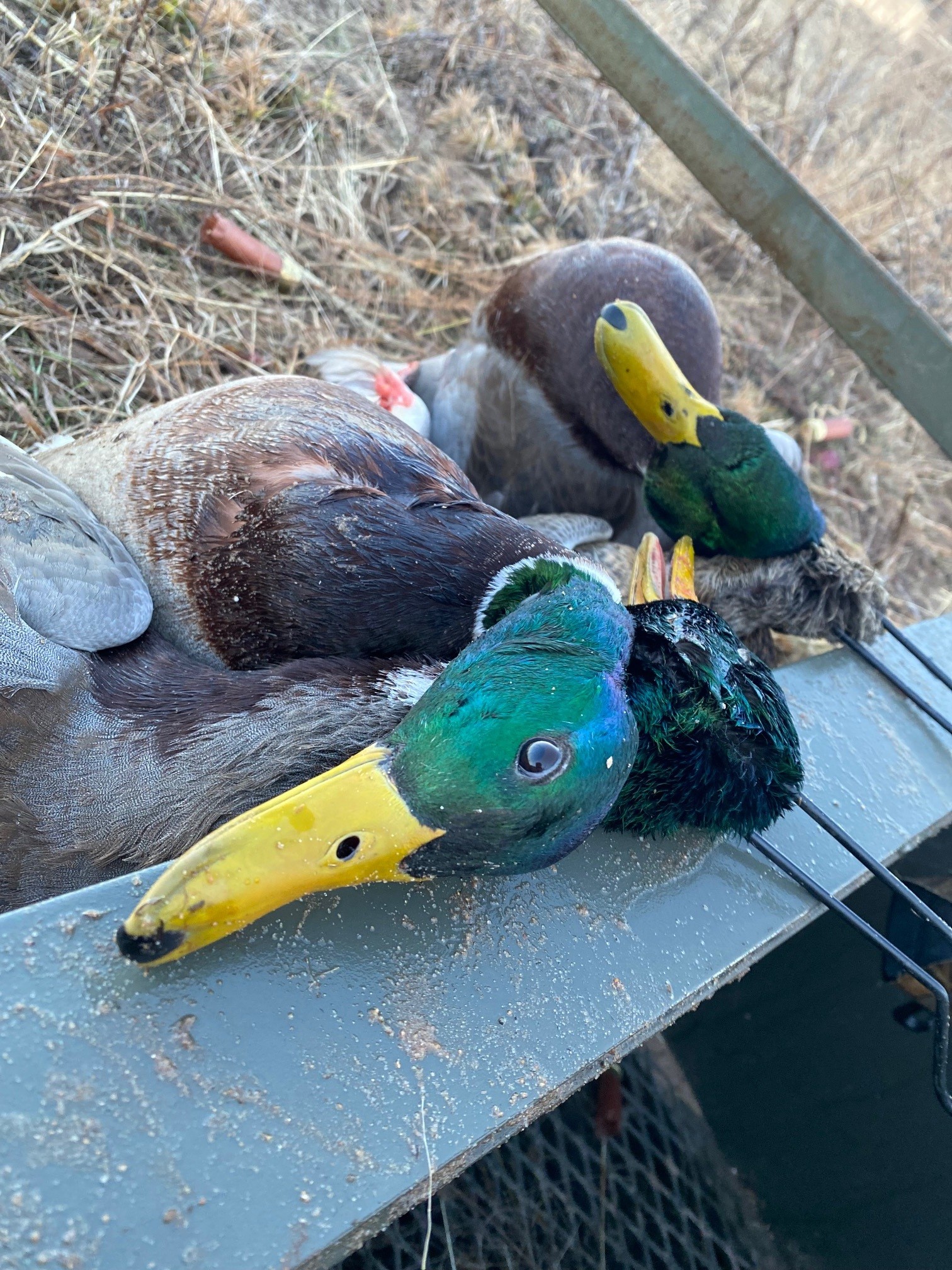
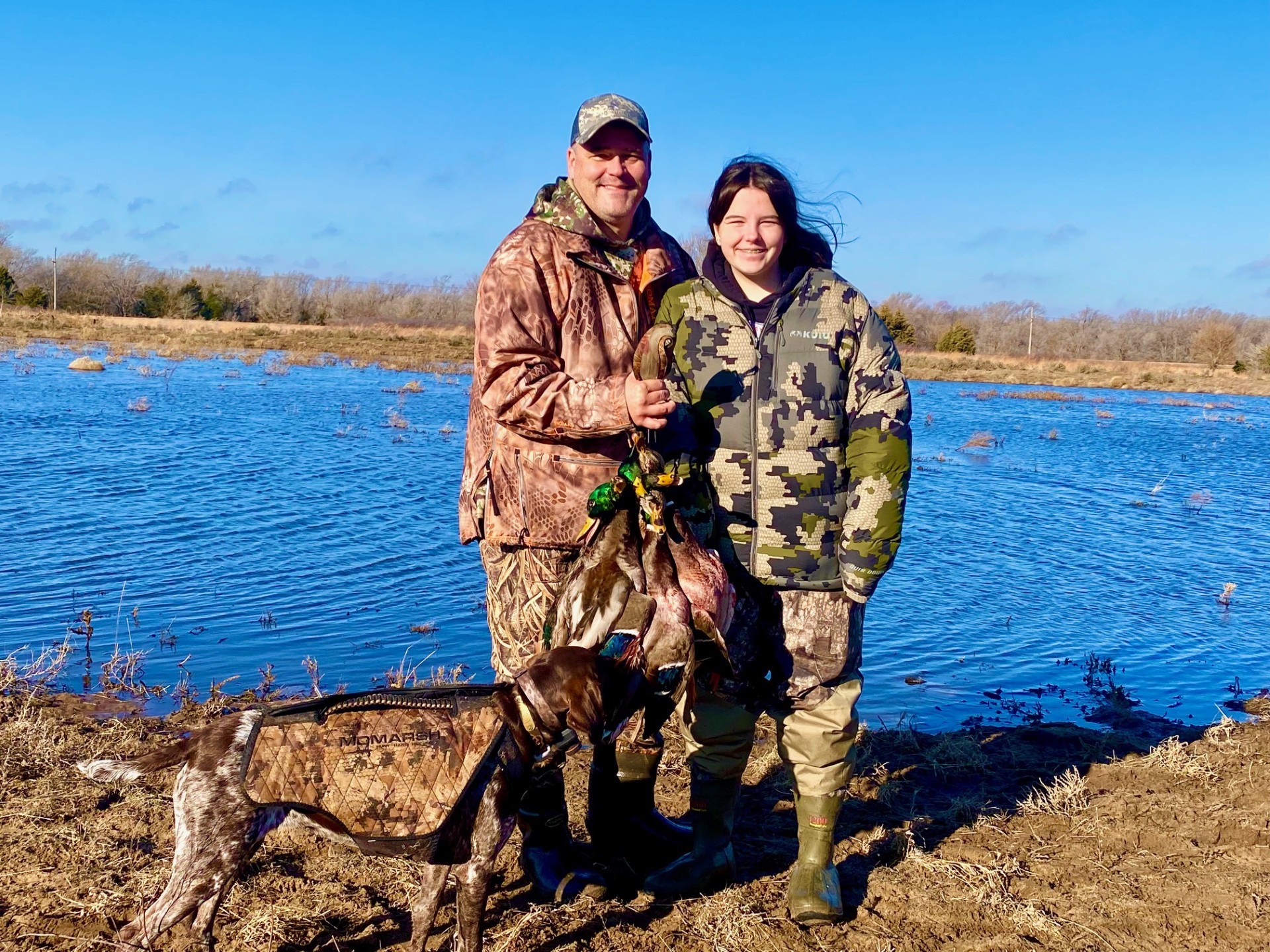
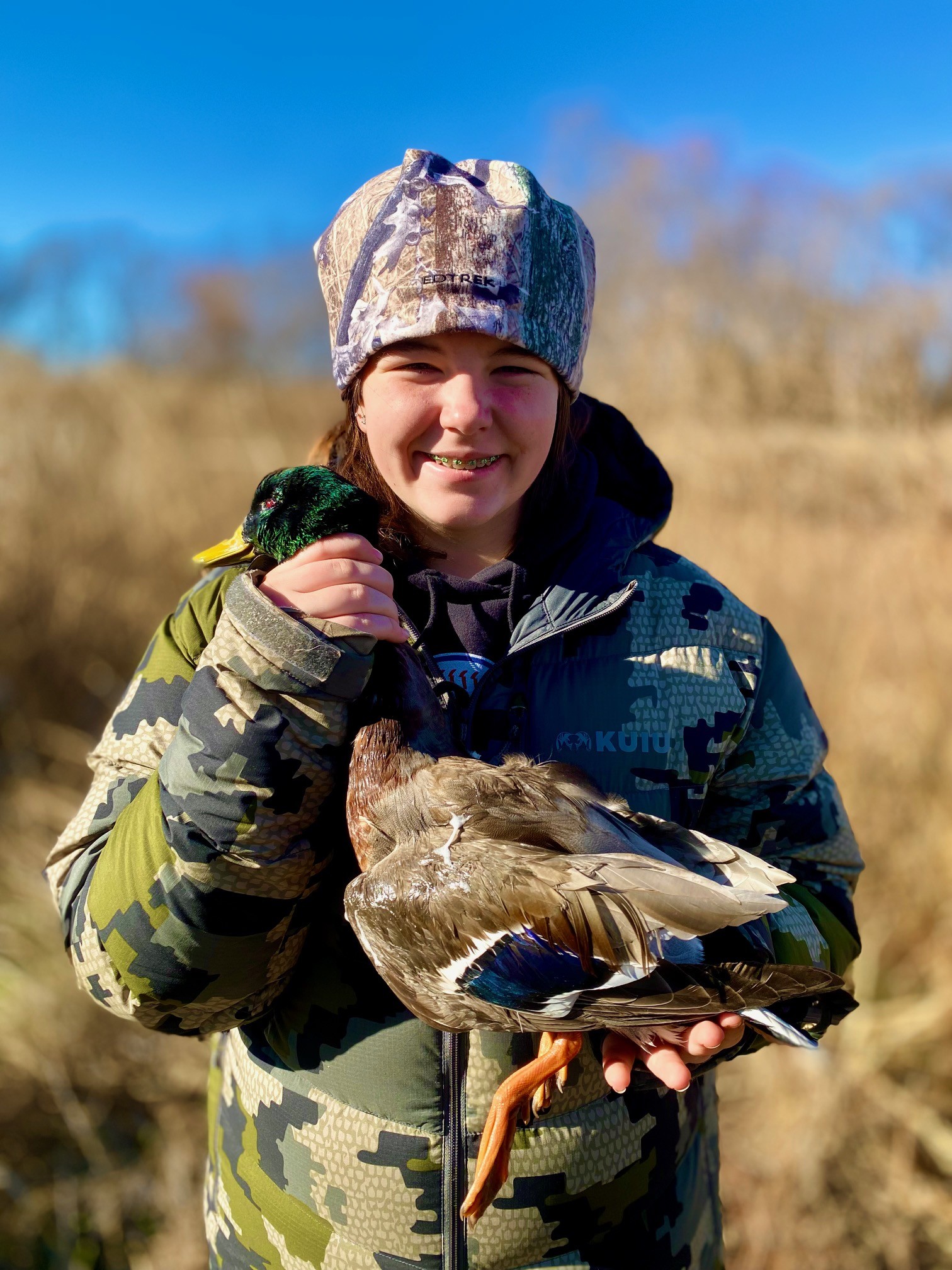
Not long after, I shot my first duck with Taylor in Kansas. She was just as excited, and seeing her joy made the experience even more meaningful.
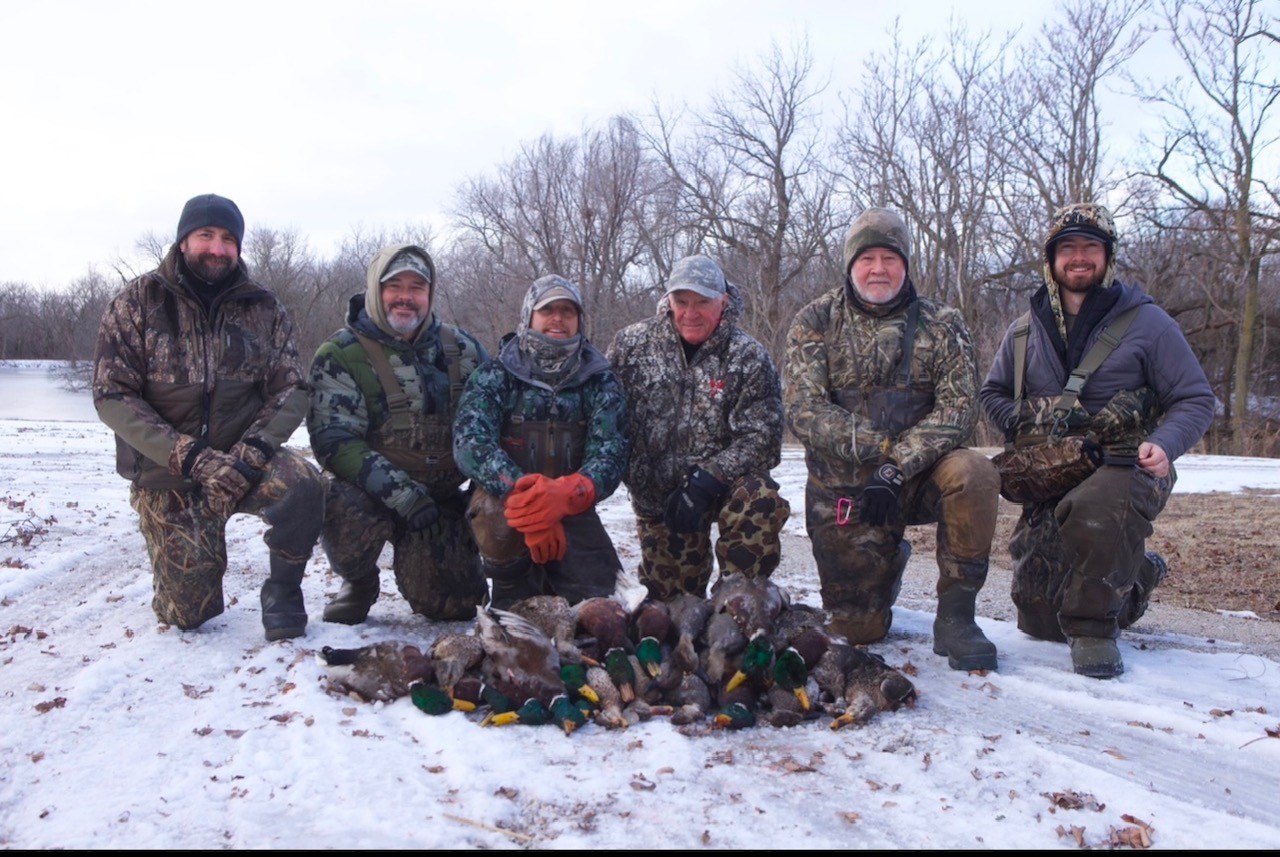
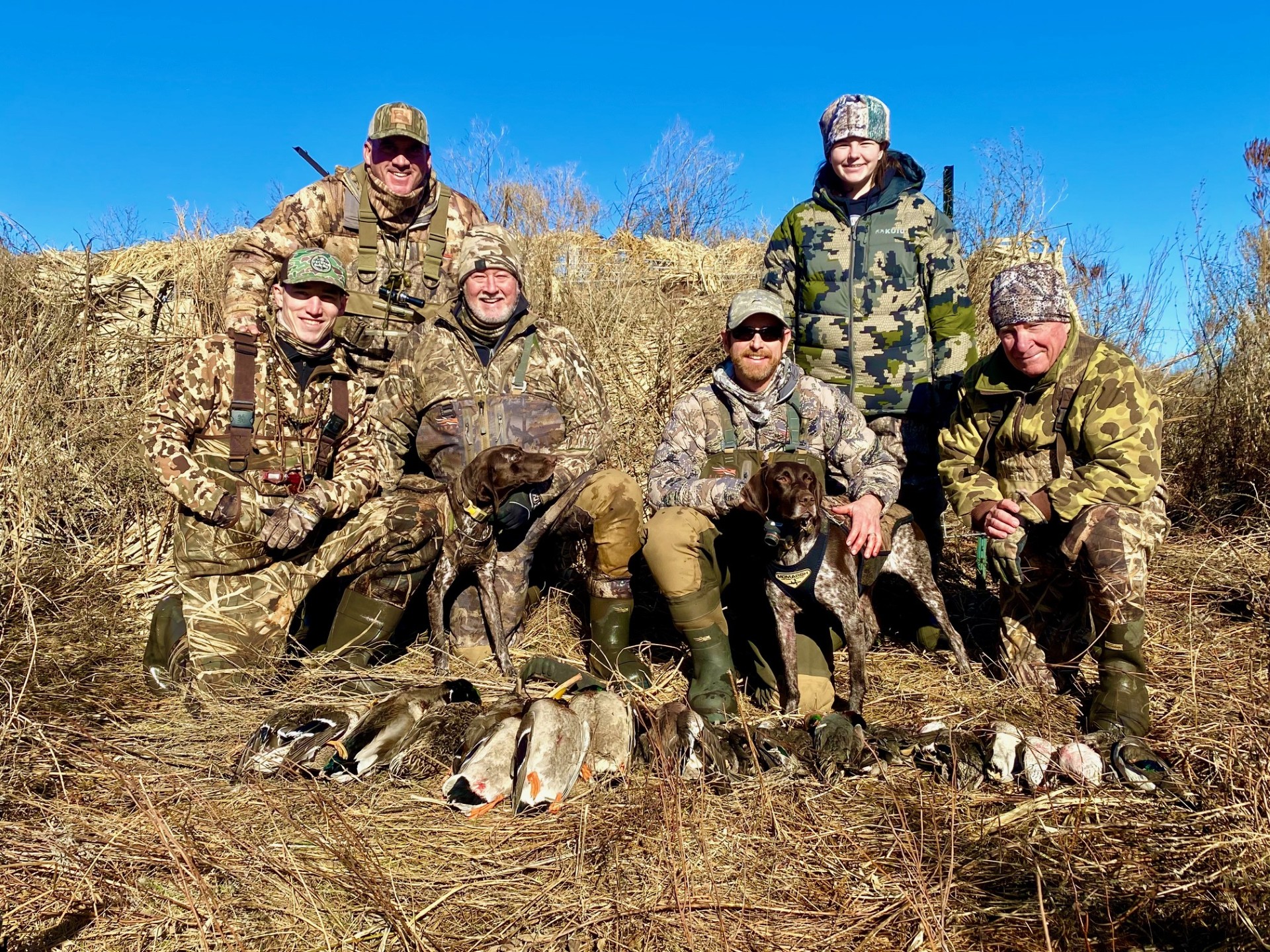
Since then, I’ve enjoyed countless waterfowl hunts with the Shoshone crew in Kansas. Asher and I have also hunted ducks together in Idaho, close to home.
Kansas: A Waterfowl Hunter’s Paradise
If you’ve never hunted waterfowl in Kansas, you’re missing out. The area around Hutchinson and Great Bend—between Quivira National Wildlife Refuge and Cheyenne Bottoms—offers some of the best duck and goose hunting in the country.
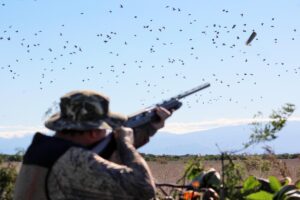
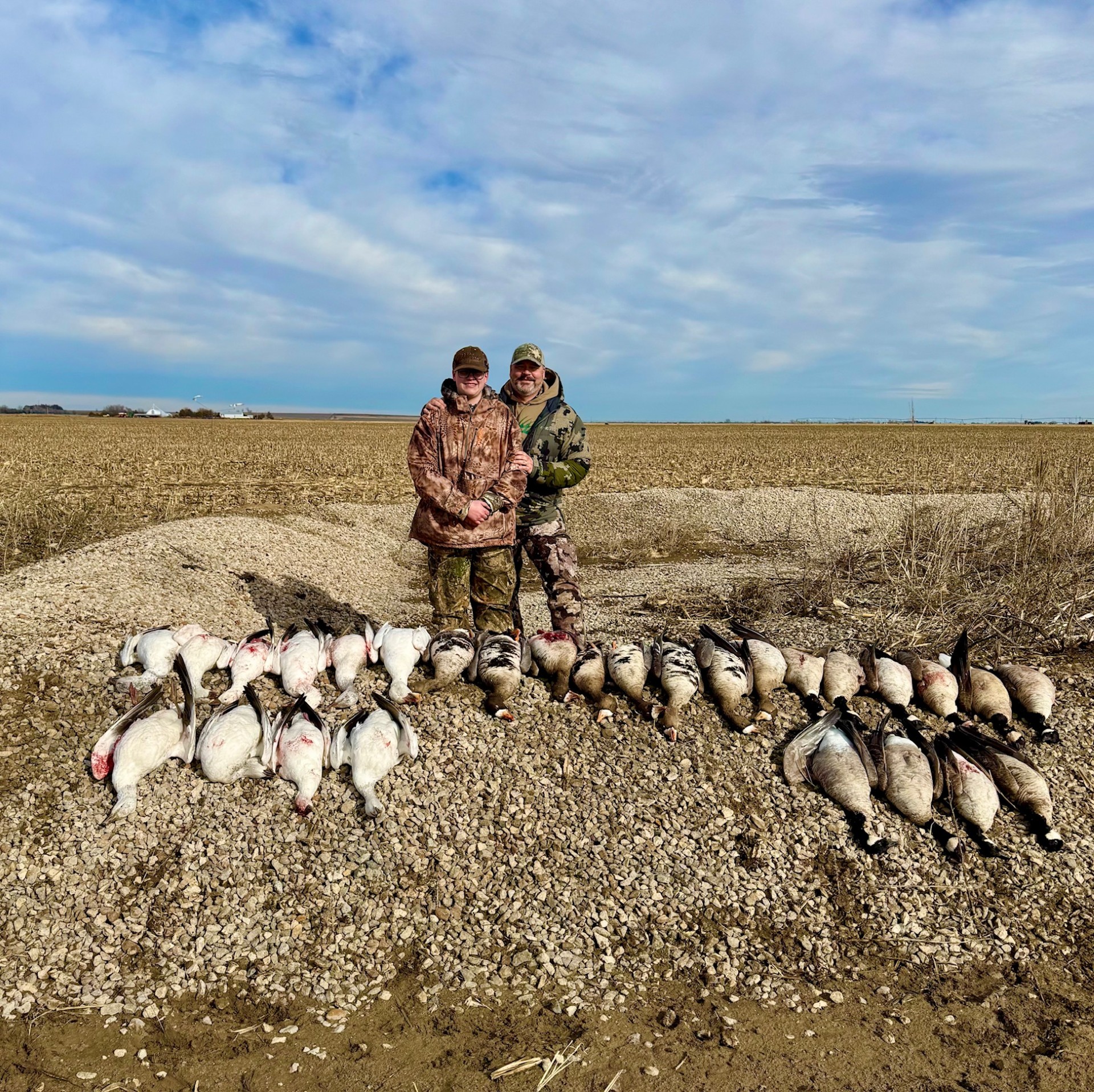
When the migration is in full swing, the skies fill with birds, and the action is unbeatable. On a recent goose hunt with Asher, we saw over 25,000 geese in a single day. The sight was unbelievable—a swarm stretching across the horizon.
The sound of thousands of geese calling at once was deafening. Watching them descend into our decoys was unforgettable. The combination of excellent habitat, skilled guides, and well-placed blinds made this one of the best hunting experiences I’ve ever had.